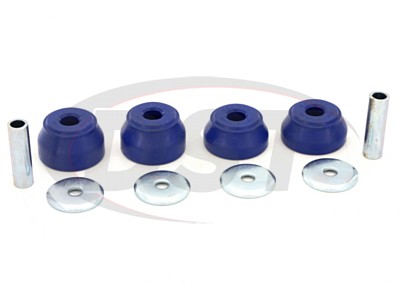
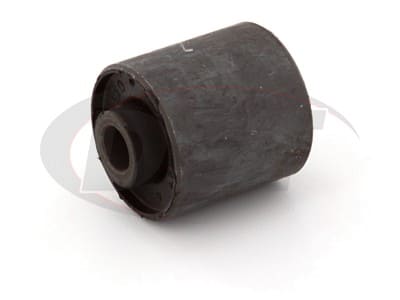
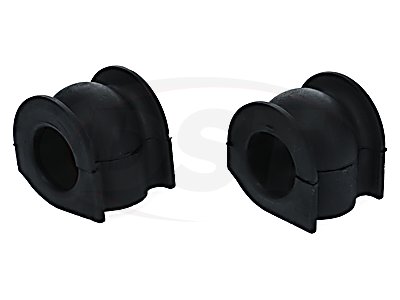
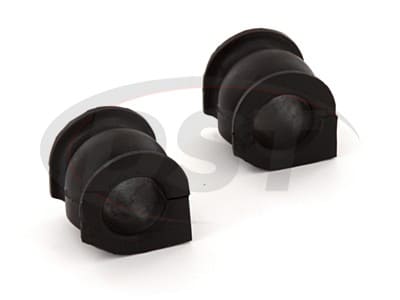
Complete Front Coil Over Assemblies
A front damper with its spring, mount and boot already assembled, so no spring compressor is needed.
This interactive diagram shows the front suspension, steering, axles and rear suspension of the 2002 Honda Accord Sedan. Hover over or tap any part to see what it does, the signs that it is worn, and the replacement parts we carry that fit your car, down to the side.
We carry parts for it Not stocked yet Hover or tap any part.
The 1998 to 2002 Accord uses double wishbones at both ends. Up front, a straight lower arm and a strut rod running forward from it hold the bottom of a tall knuckle, a stamped upper arm holds the top, and the coil over damper stands on a fork that straddles the axle. The rear has five links per side: a trailing link, two lower arms, an upper arm with a ball joint and a short upper rear arm, with the coil over damper on the knuckle.
We carry replacement parts for 40 of the 51 components on this diagram, 167 parts in all. See every part for the 2002 Honda Accord Sedan.
A front damper with its spring, mount and boot already assembled, so no spring compressor is needed.
A rear damper with its spring and mount already assembled.
Front and rear dampers for the whole car in one order.
The wearing front end parts in one order.

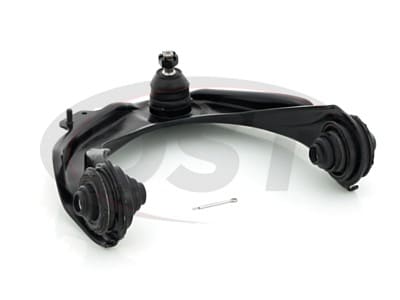
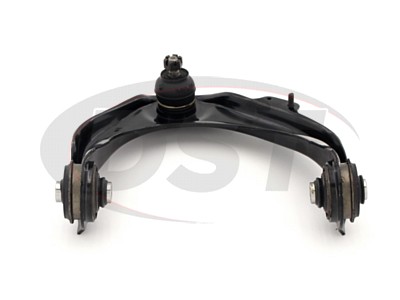
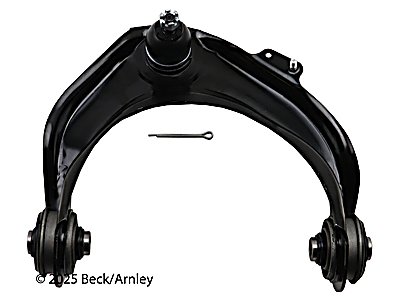
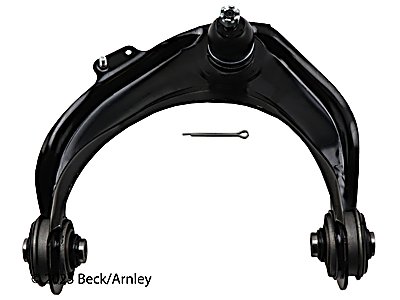
A stamped A shaped arm high in the wheel well, above the tire. Its two bushings bolt to the inner wheel house and its ball joint sits on top of the tall knuckle upright. The coil over damper passes up between its legs.
Signs of wear: Clunks over bumps, uneven inner tire wear, or a torn ball joint boot.
Tip: Left and right arms are different parts, and most come with the ball joint and bushings already fitted.
See all Front Control Arm parts for the 2002 Honda Accord Sedan
Two rubber bushings at the inner ends of the upper arm, on bolts that run front to back through brackets on the wheel house.
Signs of wear: A knock over bumps from high in the wheel well, or rubber that is cracked or pushed out.
Tip: Offset upper bushings are made to add a little camber or caster on lowered cars.
See all Front Control Arm Bushings parts for the 2002 Honda Accord Sedan
The upper ball joint sits in the tip of the upper arm. Its stud points down into the top of the knuckle upright.
Signs of wear: A clunk over bumps, play when the wheel is rocked top to bottom, or a split boot.
Tip: Adjustable upper joints give a degree or more of camber change.
See all Front Upper Ball Joint parts for the 2002 Honda Accord Sedan
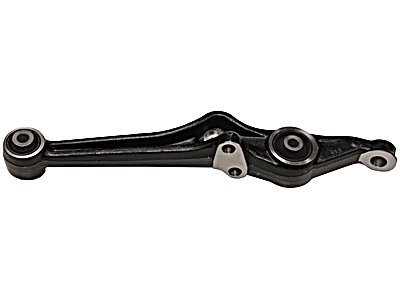
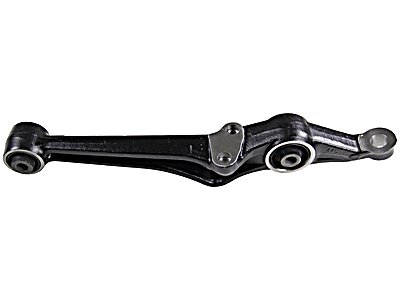
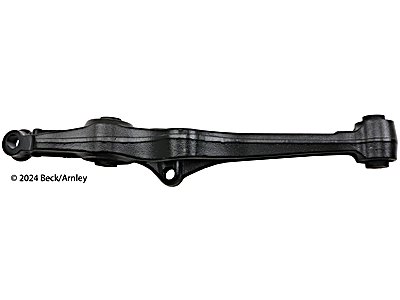
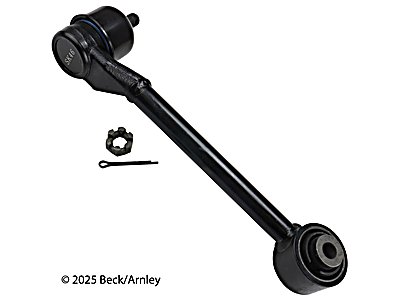
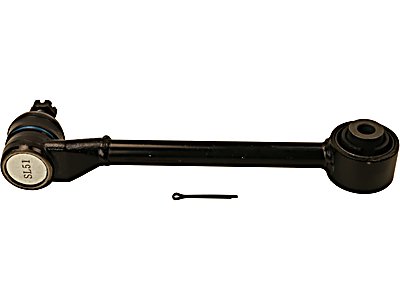
A straight pressed steel arm. Its inner end pivots on a bushing on the subframe and its outer end carries the lower ball joint stud. The strut rod, the damper fork and the sway bar link all bolt to it near the outer end.
Signs of wear: Clunks over bumps or when braking, a vague steering feel, or cracked bushings.
Tip: Left and right arms are different parts. Replacement arms usually come with new bushings.
See all Front Control Arm parts for the 2002 Honda Accord Sedan
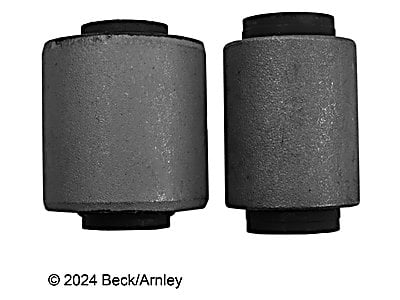
The bushing in the inner end of the lower arm, on a bolt that runs front to back through the subframe.
Signs of wear: A clunk when pulling away or braking, or rubber that is torn.
Tip: Some kits include both the inner bushing and the fork bushing; check what is in the box.

See all Front Control Arm Bushings parts for the 2002 Honda Accord Sedan
A rod, also called a radius rod, bolted to the top of the lower arm near the ball joint. It runs forward and inward to a bracket on the subframe and stops the arm swinging fore and aft. Caster shims fit between the rod and the arm.
Signs of wear: A clunk when braking or pulling away, or a wheel that shifts back under braking, usually from worn rod bushings.
Tip: Caster shims between the rod and the arm add or remove a little caster.
See all Front End Alignment Kit parts for the 2002 Honda Accord Sedan
Two rubber bushings clamp the front end of the strut rod, one each side of its bracket on the subframe, under a nut.
Signs of wear: A clunk or shimmy under braking, or rubber that has split or squeezed out of the bracket.
Tip: Replace both halves together, and tighten the nut with the car on its wheels.
See all Front Strut Arm Bushings parts for the 2002 Honda Accord Sedan
The bushing pressed into the lower arm inboard of the ball joint. The bottom of the damper fork bolts through it.
Signs of wear: A clunk from low in the corner over bumps, or a fork that moves on its bolt.
Tip: Press the bushing out of the arm with a bushing tool; the arm can stay on the car.
See all Front Control Arm Bushings parts for the 2002 Honda Accord Sedan
A forged fork that straddles the CV axle. Its top clamps the foot of the coil over damper and its bottom bolts to the lower arm.
Signs of wear: A bent fork after a curb strike pulls the wheel out of line.
Tip: The fork is reused when the damper is replaced.
The damper stands on the fork and runs up between the upper arm legs to the tower. The coil spring sits on it, so it works like a strut but the arms, not the damper, locate the wheel.
Signs of wear: Bouncing after bumps, nose dive under braking, or fluid on the body.
Tip: Complete assemblies with the spring and mount fitted need no spring compressor.
The front coil spring sits on a seat on the damper body and pushes up against the top mount, with rubber insulators at each end.
Signs of wear: A corner sitting low, a broken coil end, or a clunk when turning at low speed.
Tip: Replace springs in pairs.
See all Front Coil Springs parts for the 2002 Honda Accord Sedan
The rubber mount at the top of the damper. Three studs hold it to the tower.
Signs of wear: Knocks from the top of the damper over bumps.
Tip: Often replaced with the damper, since the damper must come out either way.
See all Front Strut Mount parts for the 2002 Honda Accord Sedan
A rubber bellows over the damper rod with the bump stop inside. The spring hides it in the assembled view; the exploded view shows it.
Signs of wear: A torn boot, a scored rod, or a hard bang over big bumps.
Tip: Fit a new boot whenever the damper is replaced.
See all Front Shock Bellows Boot Kit parts for the 2002 Honda Accord Sedan
The knuckle carries the hub bearing and the caliper. A tall upright rises from it over the tire to the upper ball joint, the lower ball joint is pressed into its bottom, and its rear arm takes the tie rod end.
Signs of wear: Knuckles rarely wear out. A bent one after a curb strike shows as a pull that an alignment will not fix.
Tip: The lower ball joint presses out of the knuckle; the knuckle itself is reused.
The lower ball joint is pressed into the bottom of the knuckle. Its stud points down through the end of the lower arm and is held by a castle nut.
Signs of wear: A clunk over bumps or play when the wheel is rocked top to bottom.
Tip: It presses out of the knuckle with a ball joint press, or comes fitted in a complete knuckle.

See all Front Lower Ball Joint parts for the 2002 Honda Accord Sedan
The front bar runs across behind the steering rack, held to the subframe by two bushings. Short links join its ends to the lower arms. It is about 26 mm on the 4 cylinder EX and LX, 23 mm on the DX and 27 mm on the V6.
Signs of wear: More body roll than before, usually from worn links or bushings rather than the bar.
Tip: Check the bar diameter before ordering bushings.
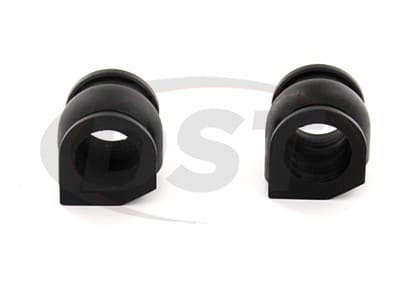
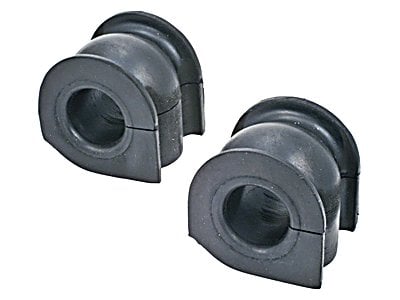
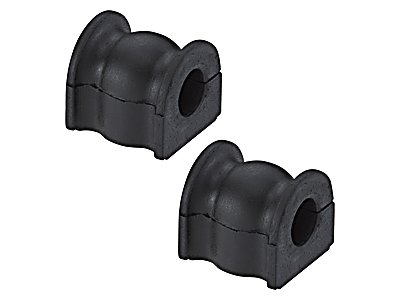
Two rubber bushings in steel clamps hold the front bar to the subframe.
Signs of wear: Squeaks or knocks over speed bumps.
Tip: Bushings fit one bar diameter only.
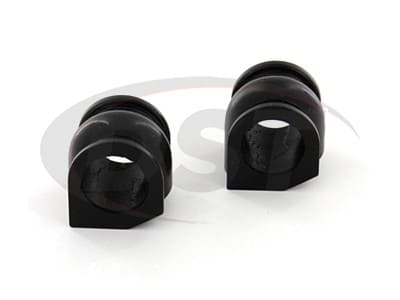
See all Front Sway Bar Bushings parts for the 2002 Honda Accord Sedan
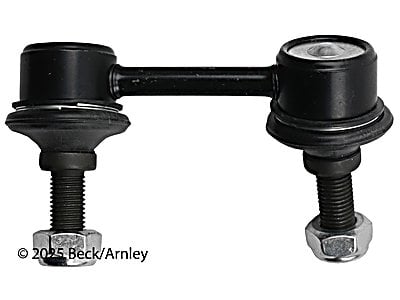
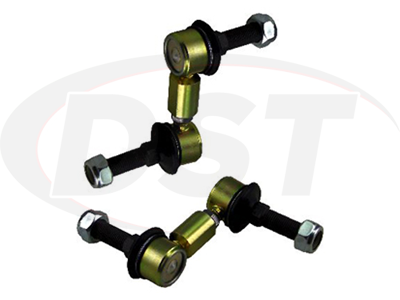
A short link with a ball stud at each end. It stands on a plate on the lower arm, just inboard of the damper fork, and the bar end bolts to its top.
Signs of wear: A rattle or knock over small bumps.
Tip: Left and right links are different parts on most listings.

See all Front Sway Bar Endlinks parts for the 2002 Honda Accord Sedan
Rubber mounts where the front subframe bolts to the body, behind the bumper and behind the lower arms. The subframe itself is shown with the frame and wheels.
Signs of wear: A clunk on hard acceleration or braking, or a subframe that has shifted.
Tip: Polyurethane mounts firm up the front end but pass more noise.
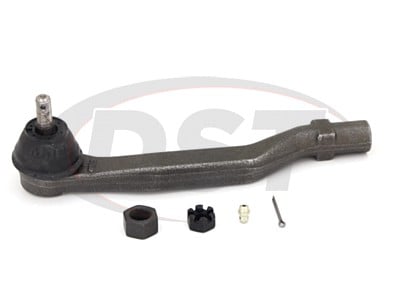
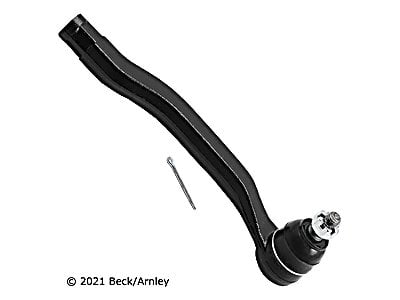
The outer tie rod end threads onto the inner rod and its stud points up through the steering arm at the rear of the knuckle.
Signs of wear: Loose steering, wander, or uneven tire wear.
Tip: Count the turns when you remove it and get an alignment afterward.

See all Front Outer Tie Rod End parts for the 2002 Honda Accord Sedan
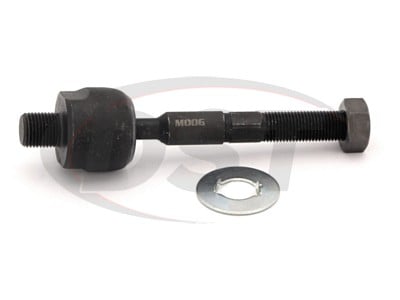
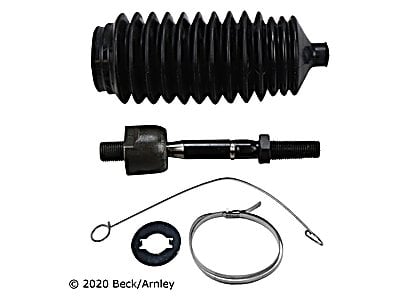
The inner tie rod screws into the end of the steering rack inside the rack boot.
Signs of wear: A clunk felt in the wheel or play at the rack end with the boot pulled back.
Tip: The 4 cylinder and the V6 use different inner tie rods; check the fit notes.
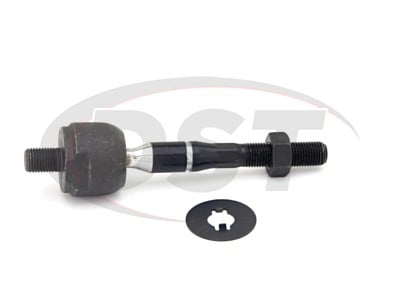
See all Front Inner Tie Rod End parts for the 2002 Honda Accord Sedan
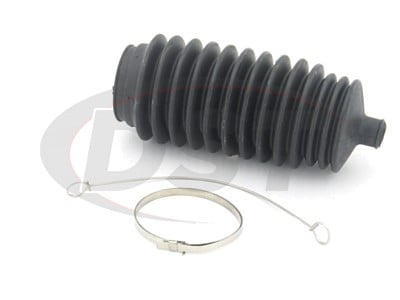
Rubber boots seal each end of the rack around the inner tie rods.
Signs of wear: A split boot lets dirt into the rack.
Tip: Replace a torn boot before the inner tie rod wears.
See all Steering Rack Bellow parts for the 2002 Honda Accord Sedan
The power rack and pinion sits behind the front axle on the subframe, with the pinion on the driver side.
Signs of wear: Fluid leaks, a heavy wheel, or a knock over bumps.
Tip: Replace the rack boots whenever they split.
Two clamps with rubber bushings hold the rack to the subframe.
Signs of wear: A clunk felt through the wheel when turning, or a rack that shifts.
Tip: Firmer bushings sharpen the steering feel.
The CV axles run from the transaxle to the hubs. The passenger side runs through an intermediate shaft behind the engine.
Signs of wear: A click when turning, grease thrown around the wheel, or a vibration under power.
Tip: Left axles differ for the automatic and the manual; check the fit notes.
See all CV Joint Parts - Front parts for the 2002 Honda Accord Sedan
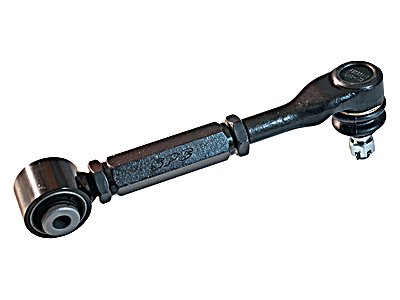
The upper arm runs out from the body to a ball joint on top of the rear knuckle. It sets the rear camber.
Signs of wear: Inner edge wear on the rear tires, or a knock from the rear over bumps.
Tip: Adjustable arms are made for lowered cars that need camber correction.
See all Rear Control Arm parts for the 2002 Honda Accord Sedan
A short link behind the upper arm, from the body to the top of the knuckle. With the trailing link it holds the wheel's fore and aft position.
Signs of wear: Worn bushings show as a knock over bumps.
Tip: Adjustable versions set the rear wheel's setback.

See all Rear Control Arm parts for the 2002 Honda Accord Sedan
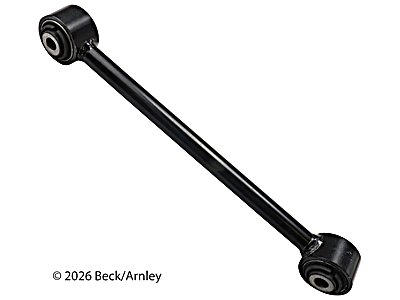
A straight arm from the front of the rear subframe out to the knuckle below the hub.
Signs of wear: Clunks from the rear, or uneven rear tire wear.
Tip: Left and right are the same part.
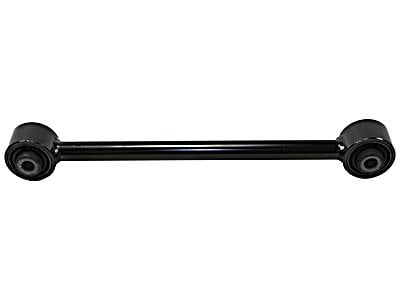
See all Rear Control Arm parts for the 2002 Honda Accord Sedan
The rearmost lower arm, from the rear of the subframe to the back of the knuckle. It sets the rear toe, and adjustable versions also set camber.
Signs of wear: Rear tires wearing on one edge, or a rear end that steps out over bumps.
Tip: Adjustable arms are made for lowered cars that need camber or toe correction.
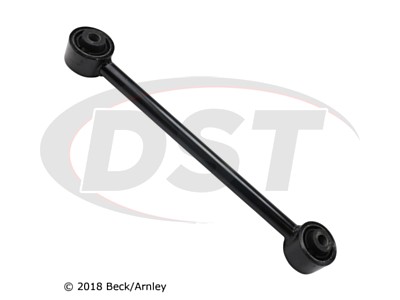
See all Rear Control Arm parts for the 2002 Honda Accord Sedan
A long link that runs forward and inboard from the front of the knuckle to a bracket on the body, with a bracket along it for the brake lines.
Signs of wear: A clunk on braking or pulling away, or a worn front bushing.
Tip: Left and right links are different parts. The links listed here fit cars with rear discs (EX and V6), the brakes the diagram shows. Cars with rear drums (DX and LX) use their own links; the two look almost the same, and the link drawn here is the drum car's.

The bushing in the front end of the trailing link, where it bolts to the body bracket.
Signs of wear: A clunk from the rear when braking.
Tip: It presses out of the link.
The rubber bushings in the ends of the rear arms, at the subframe, the body and the knuckle.
Signs of wear: Knocks from the rear and rear tire wear.
Tip: Offset bushings are made to adjust camber or toe.

See all Rear Control Arm Bushings parts for the 2002 Honda Accord Sedan
The rear knuckle holds the hub and the brake. All five rear arms, the damper and the sway bar link bracket attach to it.
Signs of wear: Rarely replaced unless bent in a crash.
The rear damper carries the coil spring. Its lower eye bolts to the knuckle and its top bolts up into the body behind the rear seat.
Signs of wear: Bouncing over bumps, a rear end that floats, or fluid on the body.
Tip: Complete assemblies with the spring and mount fitted need no spring compressor.
See all Rear Shock Absorber parts for the 2002 Honda Accord Sedan
The rear spring sits on the damper between a lower seat and the top mount, with rubber insulators.
Signs of wear: A sagging rear corner or a broken coil.
Tip: Replace in pairs.
See all Rear Coil Springs parts for the 2002 Honda Accord Sedan
The rubber mount at the top of the rear damper.
Signs of wear: A knock from the rear shelf over bumps.
Tip: Mount kits include the bushings and washers.
See all Rear Strut Mount parts for the 2002 Honda Accord Sedan
The bellows and bump stop on the rear damper rod.
Signs of wear: A torn boot or a hard bang over big bumps.
See all Rear Shock Bellows Boot parts for the 2002 Honda Accord Sedan
The rear bar runs across the rear of the subframe and its ends reach forward to links at the knuckles. The sedan and coupe use different bar sizes; check the bushing size.
Signs of wear: More rear body roll than before, usually from worn links or bushings.
Tip: Larger aftermarket bars bolt to the same mounts.
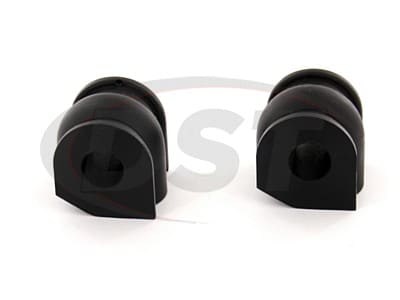
Two bushings in clamps hold the rear bar to the subframe.
Signs of wear: Squeaks or knocks from the rear.
Tip: Bushings fit one bar diameter only.
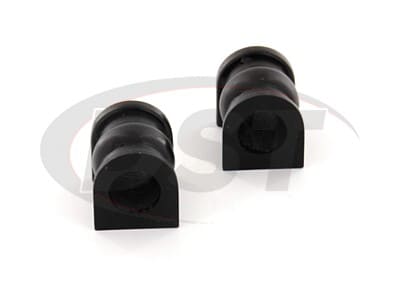
See all Rear Sway Bar Bushings parts for the 2002 Honda Accord Sedan
A link from the bar end up to a bracket bolted to the knuckle.
Signs of wear: A rattle from the rear over small bumps.
Tip: Left and right links are listed separately.
See all Rear Sway Bar Endlinks parts for the 2002 Honda Accord Sedan
The bearing is pressed into the knuckle and the hub is pressed through it. The CV axle splines into the hub and an axle nut holds it.
Signs of wear: A hum or growl that changes with speed and gets louder in turns.
Tip: The bearing presses out of the knuckle once the hub is out.
See all Front Wheel Bearing Assembly parts for the 2002 Honda Accord Sedan
A bolt on hub and bearing unit on the rear knuckle, held by an axle nut.
Signs of wear: A hum from the rear that changes with speed.
Tip: Hubs differ for rear drum and rear disc cars and for the V6; check the fit notes.
See all Rear Wheel Bearing and Hub Assembly parts for the 2002 Honda Accord Sedan
Vented front rotors, 260 mm on the 4 cylinder (four wheel studs) and 282 mm on the V6 (five studs).
Signs of wear: Pulsing in the pedal, grooves, or a lip at the edge.
Tip: Check the rotor size before ordering.
See all Front Brake Rotor parts for the 2002 Honda Accord Sedan
A single piston floating caliper ahead of the axle, on a bracket bolted to the knuckle.
Signs of wear: Pulling under braking, a dragging wheel, or a fluid leak.
Tip: Calipers are listed by side and by rotor size.
The pads sit in the caliper bracket either side of the rotor.
Signs of wear: Squealing, grinding, or a long pedal.
Tip: Pads differ for the 4 cylinder and the V6, and the 4 cylinder coupe has its own pads.
See all Front Brake Pads parts for the 2002 Honda Accord Sedan
Solid 260 mm rear rotors on cars with rear discs.
Signs of wear: Pulsing or noise from the rear.
Tip: Cars with rear drums use drums and shoes instead.
See all Rear Brake Rotor parts for the 2002 Honda Accord Sedan
The rear caliper with the parking brake built in.
Signs of wear: A dragging rear wheel or a weak parking brake.
See all Rear Brake Caliper parts for the 2002 Honda Accord Sedan
The rear pads in the rear caliper.
Signs of wear: Squealing or grinding from the rear.
See all Rear Brake Pads parts for the 2002 Honda Accord Sedan
Cars without rear discs have drum brakes: a drum over the hub with two shoes inside.
Not on every vehicle: Fitted to the DX and LX; EX and V6 cars have rear discs.
Signs of wear: A weak parking brake, a scraping noise, or pulsing from the rear.
Tip: Drums and shoes are not drawn; the diagram shows the rear disc brakes.
See all Rear Brake Drum parts for the 2002 Honda Accord Sedan
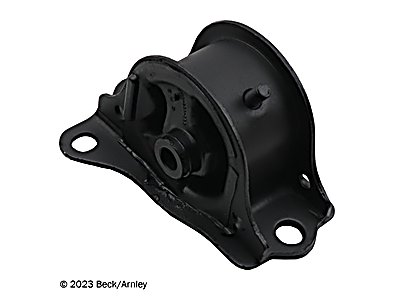
Rubber mounts hold the engine to the body and subframe. The passenger side mount sits on the frame rail.
Signs of wear: A thud when shifting, more vibration at idle, or an engine that rocks.
Tip: Replace a collapsed mount before it strains the others.
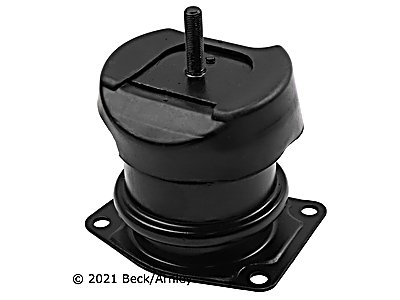
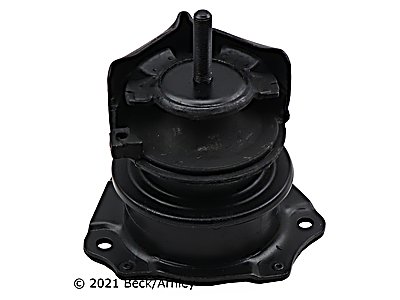
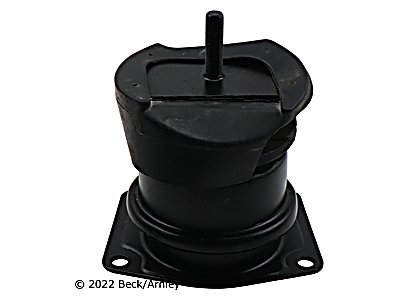
The transmission side mount sits on the driver frame rail; other mounts hold the front and rear of the transaxle.
Signs of wear: A clunk when shifting into gear or pulling away.
Tip: Mounts differ by transmission and engine.
See all Transmission Mount parts for the 2002 Honda Accord Sedan
The front upper ball joints, which come built into the upper arms, the front strut rod bushings and the sway bar links are the usual ones. Worn strut rod bushings show up as a clunk or shimmy under braking.
It is a rod, also called a radius rod, bolted to the top of the lower arm near the ball joint. It runs forward to a bracket on the subframe with a rubber bushing on each side and keeps the arm from swinging fore and aft. Caster shims fit between the rod and the arm.
Most suspension arms are shared, but the front springs and complete front strut assemblies, inner tie rods, front sway bar and its bushings, brake rotors, front pads and rear hubs differ. The diagram is drawn for the 4 cylinder sedan, so check the fit notes on each part.
EX and V6 cars have rear discs, which the diagram shows. DX and LX cars have rear drums and shoes, listed with the brakes.
Almost all of them. The coupe is about 45 mm shorter between the wheels, and its 4 cylinder front brake pads and rear sway bar bushings differ, so check the fit notes.
The rear brake rotors are listed as Wagner BD125599E for the 3.0L V6 and Wagner BD125568E for the 2.3L four cylinder, both 260 mm. The front brake pads shown in the diagram, Wagner ZD764, are the 2.3L four cylinder parts. The 3.0L V6 is listed with Wagner ZD503. The rear hub assemblies shown in the diagram, Moog 512178, are the 2.3L four cylinder parts. The 3.0L V6 is listed with Moog 512179. Check the fit notes against your engine and trim before ordering.
Numbered diagrams to print or save for the shop. The numbers match the numbered parts on the interactive diagram.