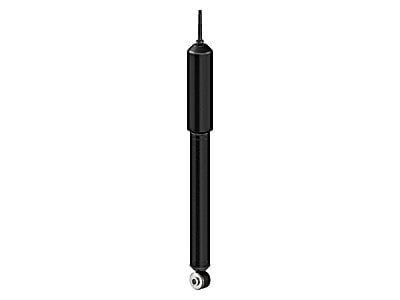
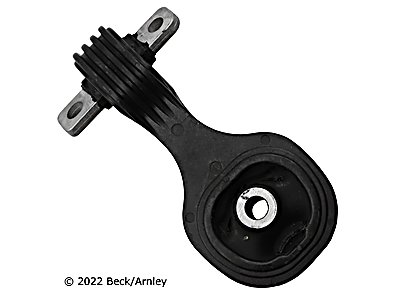
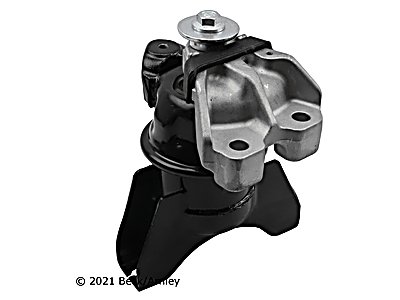
Complete Front Strut Assemblies
A strut with its spring, mount and boot already assembled, so no spring compressor is needed.
This interactive diagram shows the front suspension, steering, axles and rear suspension of the 2015 Honda Civic. Hover over or tap any part to see what it does, the signs that it is worn, and the replacement parts we carry that fit your car, down to the side.
We carry parts for it Not stocked yet Hover or tap any part.
The 2012 to 2015 Civic uses MacPherson struts up front, each bolted to the knuckle with two bolts, on a stamped lower control arm with a bolt on ball joint. The steering rack sits behind the front axle. The rear is a multi-link design with an upper arm, lower links and a trailing arm on each side, and a rear sway bar.
We carry replacement parts for 29 of the 43 components on this diagram, 139 parts in all. See every part for the 2015 Honda Civic.
A strut with its spring, mount and boot already assembled, so no spring compressor is needed.
Front struts and rear shocks for the whole car in one order.
Package kits bundle the wearing front end parts in one order, usually for less than buying them one by one.

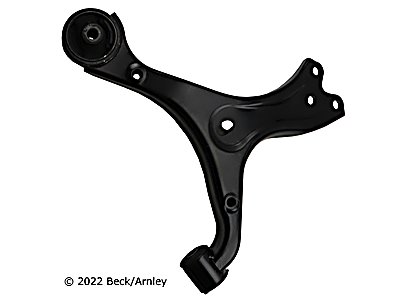
A stamped steel arm under each front corner, wide at the ball joint end. It pivots on a bushing at the front of the subframe and on a second bushing in a bracket on the side of the subframe, with the ball joint bolted to its outer end.
Signs of wear: Clunks over bumps, a loose or wandering feel, torn bushings or uneven tire wear.
Tip: Left and right arms are different parts. Many owners fit a complete arm with the ball joint and bushings already installed.
The front bushing of the lower arm. Its bolt runs front to back through a bracket at the front of the subframe.
Signs of wear: A clunk when braking or turning, or steering that pulls under braking.
Tip: The bushing is pressed into the arm. Many owners fit a complete arm instead.
See all Front Control Arm Bushings parts for the 2015 Honda Civic
The rear bushing of the lower arm, held in a bracket on the side of the subframe behind the axle. It lets the arm move and soaks up road shock.
Signs of wear: Clunking or a shimmy over bumps, steering that wanders under braking, or torn rubber you can see from under the car.
Tip: Rear bushings are sold by position, so check the name for rear or inner rear before you order.
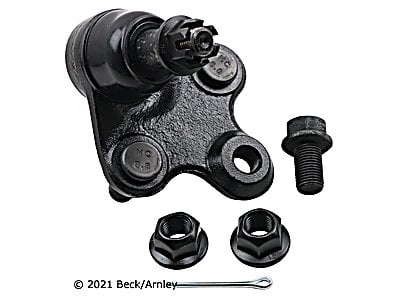
The pivot between the lower arm and the steering knuckle. It bolts to the arm with three bolts, and its tapered stud points up into the bottom of the knuckle.
Signs of wear: Clunks over bumps, play when the wheel is rocked top to bottom, or uneven tire wear.
Tip: Some joints are camber adjustable. Read the fit notes.
See all Front Lower Ball Joint parts for the 2015 Honda Civic
The knuckle carries the wheel bearing, hub and brake caliper. The strut clamps to its top, the ball joint holds its bottom and the tie rod turns it by an arm at the back.
Signs of wear: Rarely a wear item. Check it after a hard curb strike.
Tip: The knuckle on the diagram is a simplified shape.
The front damper and the top of the suspension in one. It clamps to the knuckle with two bolts and carries the coil spring and the sway bar link tab.
Signs of wear: Bouncing after bumps, nose dive on braking, fluid on the strut body, or cupped tires.
Tip: The coil spring is under load when the strut is apart. Use a spring compressor, or fit a complete strut assembly.
The coil spring sits on a seat on the strut body and pushes up against the top mount.
Signs of wear: A front end that sits low on one side, or a clunk from a broken coil end.
Tip: Replace springs in pairs. Lowering springs change the ride height, so plan an alignment.
The top mount bolts up into the strut tower with three studs and holds the strut rod. A bearing in it lets the strut turn with the steering.
Signs of wear: A knock or creak from the top of the tower when turning or over bumps.
Tip: Replace the mounts when you replace the struts, because the strut has to come apart anyway.
A spring steel bar across the car that links the two front wheels to reduce body roll. Its ends drop down to the sway bar links.
Signs of wear: Rarely a wear item. Noise usually comes from its bushings or links.
Tip: A thicker aftermarket bar reduces roll further. Bushings must match the bar diameter.
Rubber bushings in clamps that hold the front sway bar to the subframe.
Signs of wear: A squeak or knock over bumps, from a dry or worn bushing.
Tip: Bushings come in sizes to match the bar, 24 to 28 mm across the trims. Check your bar's diameter before you order.
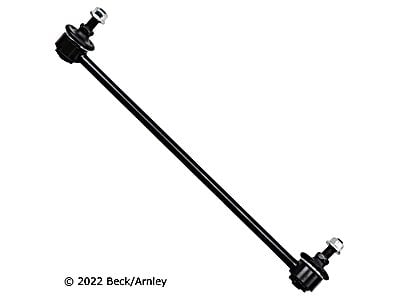
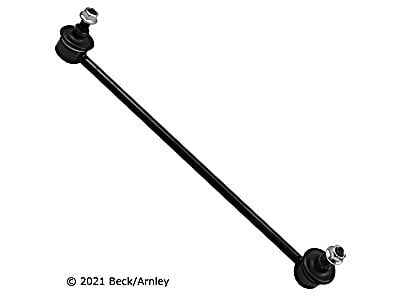
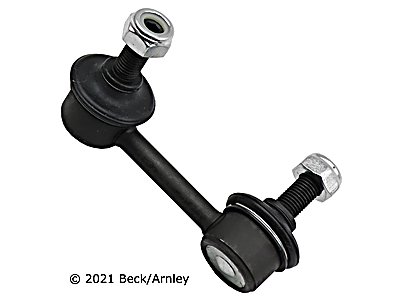
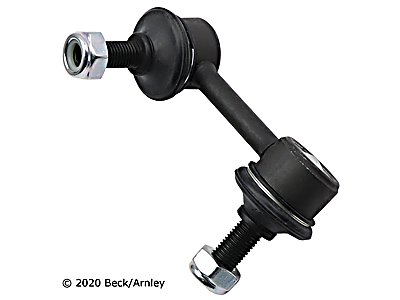
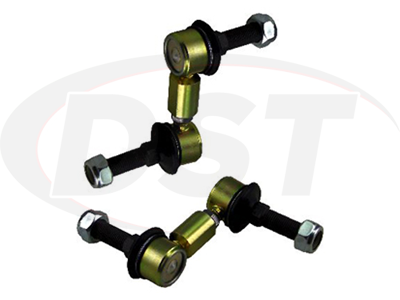
A long link with a ball stud at each end, from a tab on the strut body down to the end of the sway bar.
Signs of wear: A rattle or clunk over small bumps, usually from a worn ball stud.
Tip: Replace the links in pairs.

See all Front Sway Bar Endlinks parts for the 2015 Honda Civic
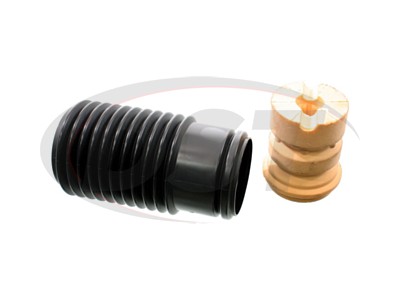
The rubber dust boot over the strut rod, with the bump stop inside it.
Signs of wear: Cracked or missing boots, or a knock at full compression.
Tip: Fit a new boot and bump stop whenever the strut is changed.
See all Front Shock Bellows Boot Kit parts for the 2015 Honda Civic
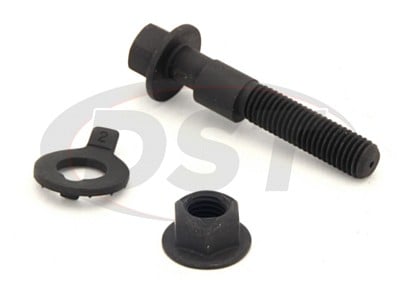
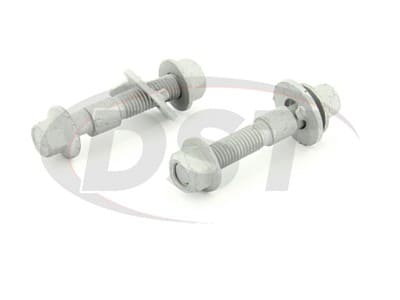
The two bolts that clamp the strut to the knuckle. The lower one can be swapped for an eccentric bolt that sets the front camber.
Signs of wear: Camber that will not come into range after lowering the car.
Tip: Adjustable bolts come in 14 mm and 16 mm sizes. Check the size of your factory bolt.
See all Front End Alignment Kit parts for the 2015 Honda Civic
Rubber rings that seat the coil spring on the strut's lower seat and under the top mount.
Signs of wear: Creaks and clunks over bumps from the top of the strut.
Tip: Replace the isolators whenever the spring is out.
The bent outer end of the tie rod. Its ball stud fits up into the steering arm at the back of the knuckle.
Signs of wear: Loose or wandering steering, a clunk when turning, or wear on the inner or outer tire edges.
Tip: Count the turns when you remove it, so the toe stays close until the alignment.
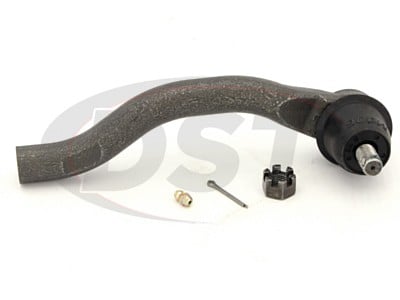
See all Front Outer Tie Rod End parts for the 2015 Honda Civic
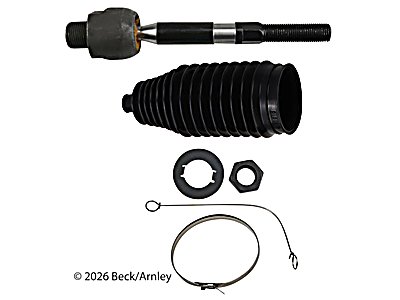
The straight inner rod, with a ball socket that threads onto the end of the steering rack under the rack boot.
Signs of wear: Play in the steering, a knock over bumps, or a wandering feel.
Tip: Hybrid and Si cars use different inner rods. Check the fit notes.

See all Front Inner Tie Rod End parts for the 2015 Honda Civic
The rubber bellows that seals each end of the steering rack over the inner tie rod.
Signs of wear: A torn boot lets dirt and water into the inner tie rod and the rack.
Tip: Replace a torn boot quickly, before the inner joint wears.
Rack and pinion steering mounted behind the front axle. The tie rods run from its ends to the knuckles.
Signs of wear: Heavy or uneven steering effort, or a knock from the rack.
The half shafts drive the front wheels. The passenger shaft runs behind the engine on an intermediate shaft with a carrier bearing.
Signs of wear: Clicking on tight turns, a vibration when accelerating, or grease thrown from a torn boot.
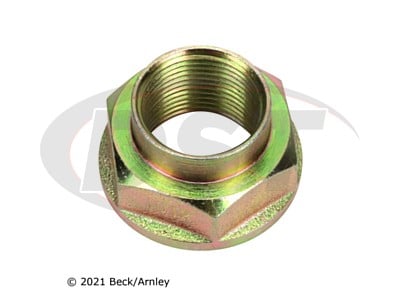
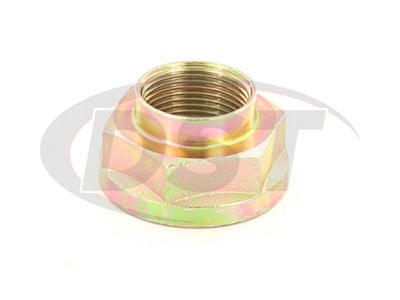
Tip: Boot kits, axle nuts and the carrier bearing are listed here.
See all CV Joint Parts - Front parts for the 2015 Honda Civic
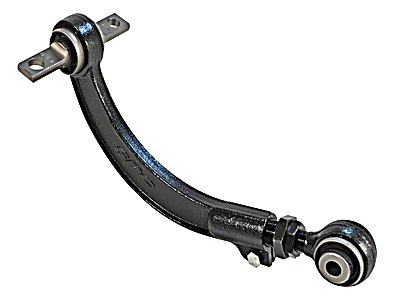
An arm above the coil at the top of the rear knuckle. It sets the rear camber.
Signs of wear: Uneven inner tire wear at the rear, or a knock over bumps from a worn bushing.
Tip: Adjustable arms let you set rear camber on a lowered car.
A short pressed link from a clamp bracket on the body out to the knuckle's forward leg, just ahead of the axle and ahead of the sway bar.
Signs of wear: Clunks over bumps, or a rear end that feels loose in corners.
The wide lateral lower arm. It carries the rear coil spring and the lower end of the shock. Its inner end bolts to the rear cross member.
Signs of wear: A clunk over bumps, a sagging corner, or rust around the spring pocket.
Tip: Left and right arms are different parts. Rear control arm bushings are listed here.
A long flat stamped arm from the front of the knuckle forward to a bushing on the body. It holds the wheel fore and aft.
Signs of wear: A clunk on braking or over bumps, or a rear that steers itself on rough roads.
Tip: Trailing arm bushings are listed with the arms.
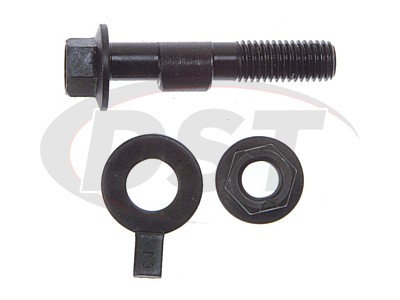
An eccentric cam bolt with cam washers at the inner end of a rear lower link. Turning it sets the rear toe.
Signs of wear: Rear tires that wear on the edges, or a rear toe setting that will not hold.
Tip: Fit it during an alignment. Its place on the diagram is approximate.
See all Rear End Alignment Kit parts for the 2015 Honda Civic
The rear upright. Every rear link bolts to it, and it carries the hub and the brake.
Signs of wear: Rarely a wear item.
Tip: The knuckle on the diagram is a simplified shape.
The rear damper sits apart from the spring, from an eye on a bracket on the lower spring arm up to a mount in the body.
Signs of wear: Bouncing after bumps, a rear that floats at speed, or fluid on the shock body.
Tip: Replace shocks in pairs.

The rear coil spring sits in the pocket of the lower spring arm and pushes up into a seat in the body.
Signs of wear: A rear that sits low on one side, or a clunk from a broken coil.
Tip: Replace springs in pairs.
A thin bar across the car just behind the axle, along the back of the fuel tank. Its ends curve forward around the coil springs to the links.
Signs of wear: Rarely a wear item. Noise usually comes from the links or bushings.
Tip: Bushings must match the bar diameter.
A short link that stands up from the end of the rear sway bar to a boss on the inside of the knuckle's forward leg, just ahead of the axle.
Signs of wear: A rattle from the rear over small bumps.
Tip: Replace the links in pairs.

See all Rear Sway Bar Endlinks parts for the 2015 Honda Civic
Rubber bushings in clamps that hold the rear sway bar to the body.
Signs of wear: A rattle or knock from the rear when the car rolls.
Tip: Bushings come in sizes to match the bar. Check the bar diameter.
See all Rear Sway Bar Bushings parts for the 2015 Honda Civic
The rubber isolator at the top of each rear shock, where the stem passes through the body.
Signs of wear: A clunk from the rear over bumps.
Tip: Replace them with the shocks.
A sealed bearing pressed into the knuckle. The hub with the wheel studs is pressed through it.
Signs of wear: A hum or growl that rises with speed and changes when the car turns.
Tip: Pressing the bearing in and out needs a press or a bearing tool.
See all Front Wheel Bearing Assembly parts for the 2015 Honda Civic
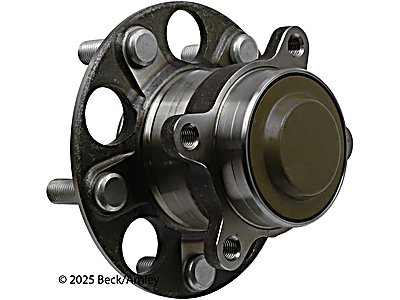
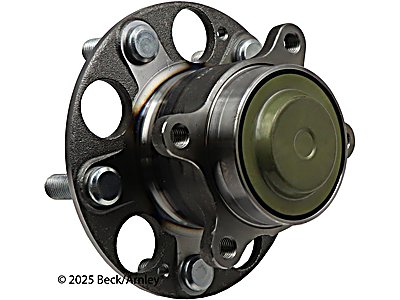
A sealed hub and bearing unit that bolts to the rear knuckle with four bolts and carries the five wheel studs.
Signs of wear: A hum or growl from the rear that rises with speed.
Tip: The unit bolts on, so no press is needed.
See all Rear Wheel Bearing and Hub Assembly parts for the 2015 Honda Civic
The vented front brake disc, 262 mm across on most trims.
Signs of wear: Pulsing in the pedal, grooves, or a lip at the outer edge.
Tip: Replace rotors in pairs, with new pads.
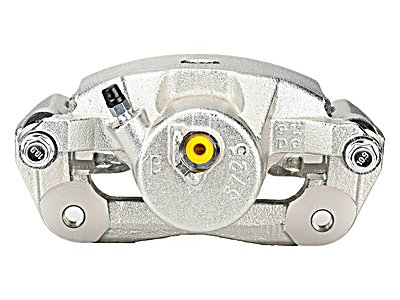
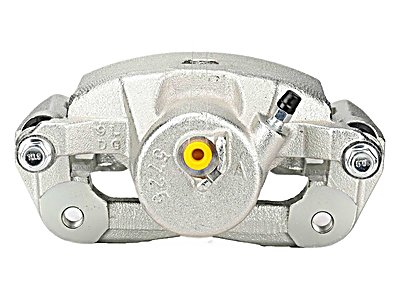
The floating caliper on its bracket, ahead of the front axle.
Signs of wear: A pull to one side when braking, a sticking brake, or a fluid leak.
Tip: Bleed the brakes after fitting a caliper.
The pads, shown lifted out of the caliper.
Signs of wear: Squealing, grinding, or a long pedal.
Not drawn: the diagram shows the drum brake car (DX, LX, HF and SE). The solid rear brake disc on the EX and EX-L.
Not on every vehicle: Cars with rear disc brakes only
Signs of wear: Grooves, rust ridges or a pulsing pedal.
Tip: Replace rotors in pairs, with new pads.
Not drawn: the diagram shows the drum brake car (DX, LX, HF and SE). The floating rear caliper with the parking brake built in, on the EX and EX-L.
Not on every vehicle: Cars with rear disc brakes only
Signs of wear: A dragging rear brake or a parking brake fault light.
Tip: Bleed the brakes after fitting a caliper.
Not drawn: the diagram shows the drum brake car (DX, LX, HF and SE). The rear pads for the EX and EX-L rear calipers.
Not on every vehicle: Cars with rear disc brakes only
Signs of wear: Squealing or grinding from the rear.
The rear brake drum on the trims with drum brakes (DX, LX, HF and SE; the Hybrid and Natural Gas use a larger drum). The diagram shows this brake. It fits over the shoes and is held on by the wheel studs.
Not on every vehicle: Cars with rear drum brakes only (the EX and EX-L have rear discs)
Signs of wear: Grooves, a pulsing pedal or a pull from one rear wheel.
Tip: Replace drums in pairs, with new shoes.
Two shoes on a backing plate inside the rear drum, pushed out by the wheel cylinder at the top. The parking brake cable works them too.
Not on every vehicle: Cars with rear drum brakes only (the EX and EX-L have rear discs)
Signs of wear: Squeal or a long pedal at the rear.
Tip: Fit new hardware with the shoes.
A torque rod at the back of the engine, from the subframe to the transaxle. It stops the engine rocking under power.
Signs of wear: A clunk when shifting into gear or pulling away, or more vibration in the cabin.
Tip: Inserts stiffen the stock mount.
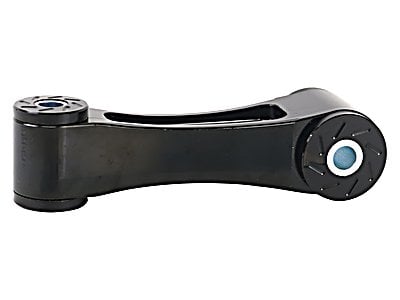
The mount that holds the transaxle end of the engine to the body.
Signs of wear: A clunk when shifting, or vibration at idle.
Tip: The diagram shows its general place only.
Sway bar links, lower control arm bushings, struts and strut mounts are the usual ones. A clunk over small bumps is most often a link, and a clunk on braking is often a lower arm bushing.
No. The front is a strut design, so each front corner has only a lower control arm and a lower ball joint. The rear does have an upper arm on each side.
Yes, after tie rods, control arms, struts or rear links. Front toe is set at the tie rods. Camber bolts and adjustable rear arms are available when you need more camber range, for example on a lowered car.
The 2012 to 2015 Civic sedan and coupe share this layout, and most of the parts we list carry over from one year to the next. The Si and the Hybrid have their own catalog sections and some different parts, so those versions are not shown here. The 2013 model year brought new front lower arms, so the arm part number depends on the year.
It depends on the trim. The LX, HF and SE have rear drum brakes, and the diagram shows this drum brake. The EX and EX-L have rear disc brakes, which are not drawn: their discs, calipers and pads are in the parts list, marked for cars with rear disc brakes only.
The diagram shows one layout for the whole year, but some numbers split. Front strut assemblies: Monroe 272925/272926 for the sedan, Monroe 272927/272928 for the coupe. Front axles: Moog 13E020. Rear shocks: Monroe 5698 for the sedan, 5505 for the coupe. Rear hub: Moog 512503 (it replaces 512450), or Beck Arnley 051-6483 on the LX, HF and SE and 051-6494 on the EX and EX-L sedan built in the US. Rear sway bar bushings: Moog K201911 for the sedan, K200734 for the coupe. Rear brakes: the LX, HF and SE have 200 mm rear drums (Wagner BD126416E) with shoes Z913, the brake the diagram shows; the EX and EX-L have rear discs, 260 mm (BD126413) on most cars but 282 mm (BD180659) on the EX sedan, with calipers CN11839SC/CN11840SC. The Natural Gas car uses a larger 220 mm drum (BD126415E). Front brakes: most cars take the 262 mm front disc (Wagner BD180542) with calipers CN12607SC/CN12608SC, as drawn; some EX, EX-L, LX and SE cars take a larger 282 mm disc (BD125669), with calipers CN11425SC/CN11426SC on the EX and EX-L and pads 914 (the diagram shows pads 1578); the EX sedan can take a 293 mm disc (BD180583); the Natural Gas car takes a 281 mm disc (BD180560) with pads 1608. Check the size of your front disc before ordering discs, calipers or pads.
Numbered diagrams to print or save for the shop. The numbers match the numbered parts on the interactive diagram.