Complete Strut Assemblies
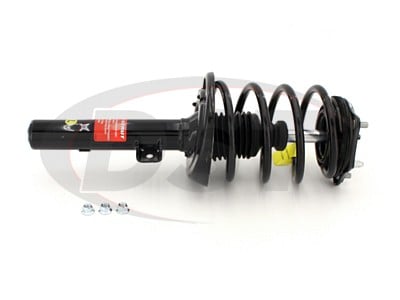
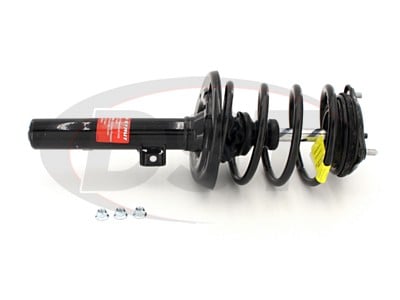
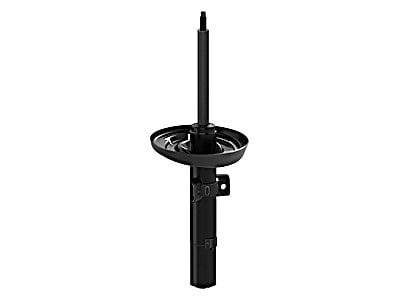
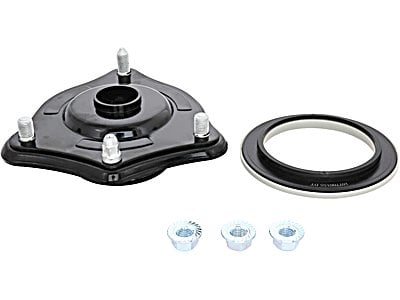
A strut, coil spring and top mount already assembled, so no spring compressor is needed.
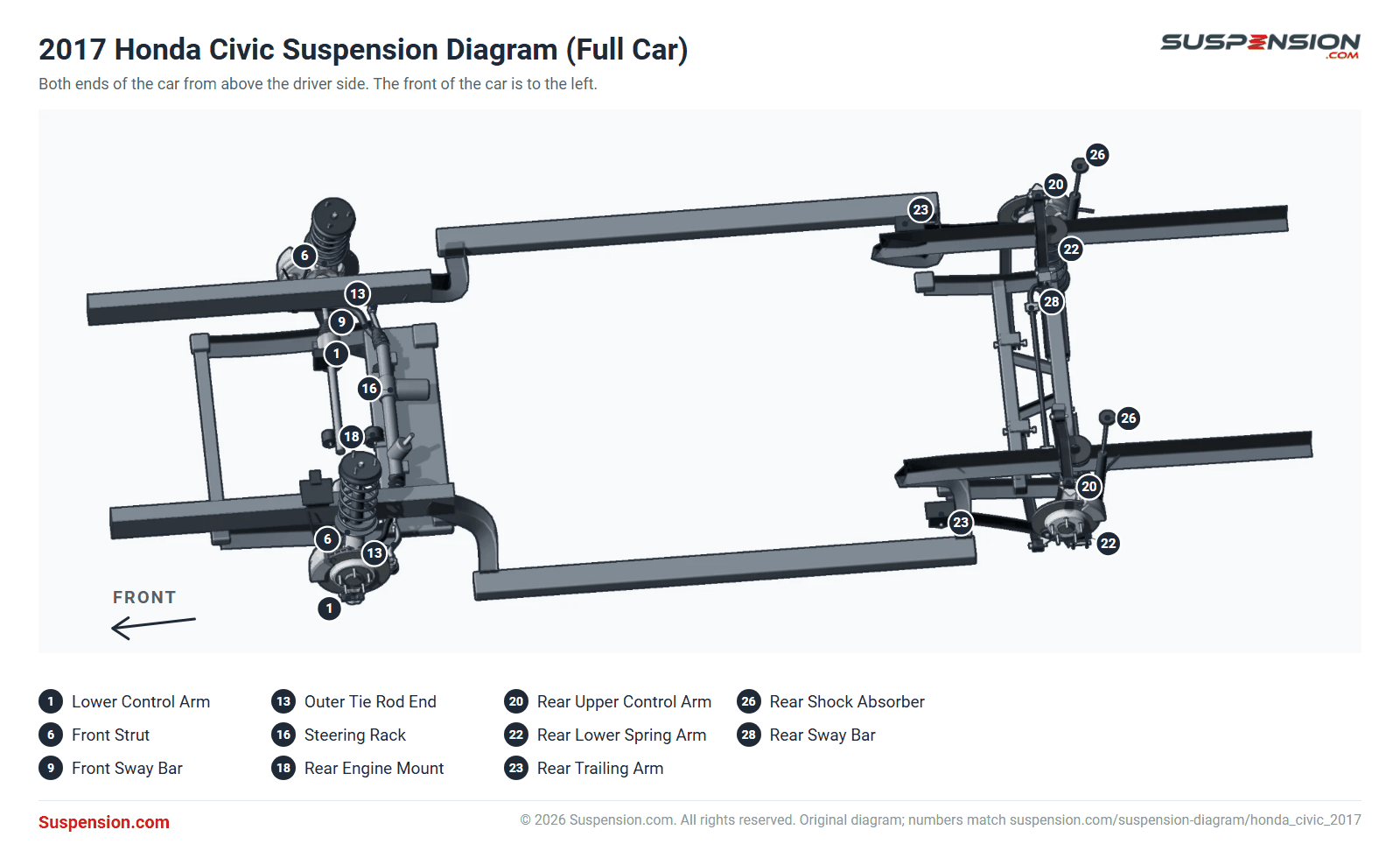
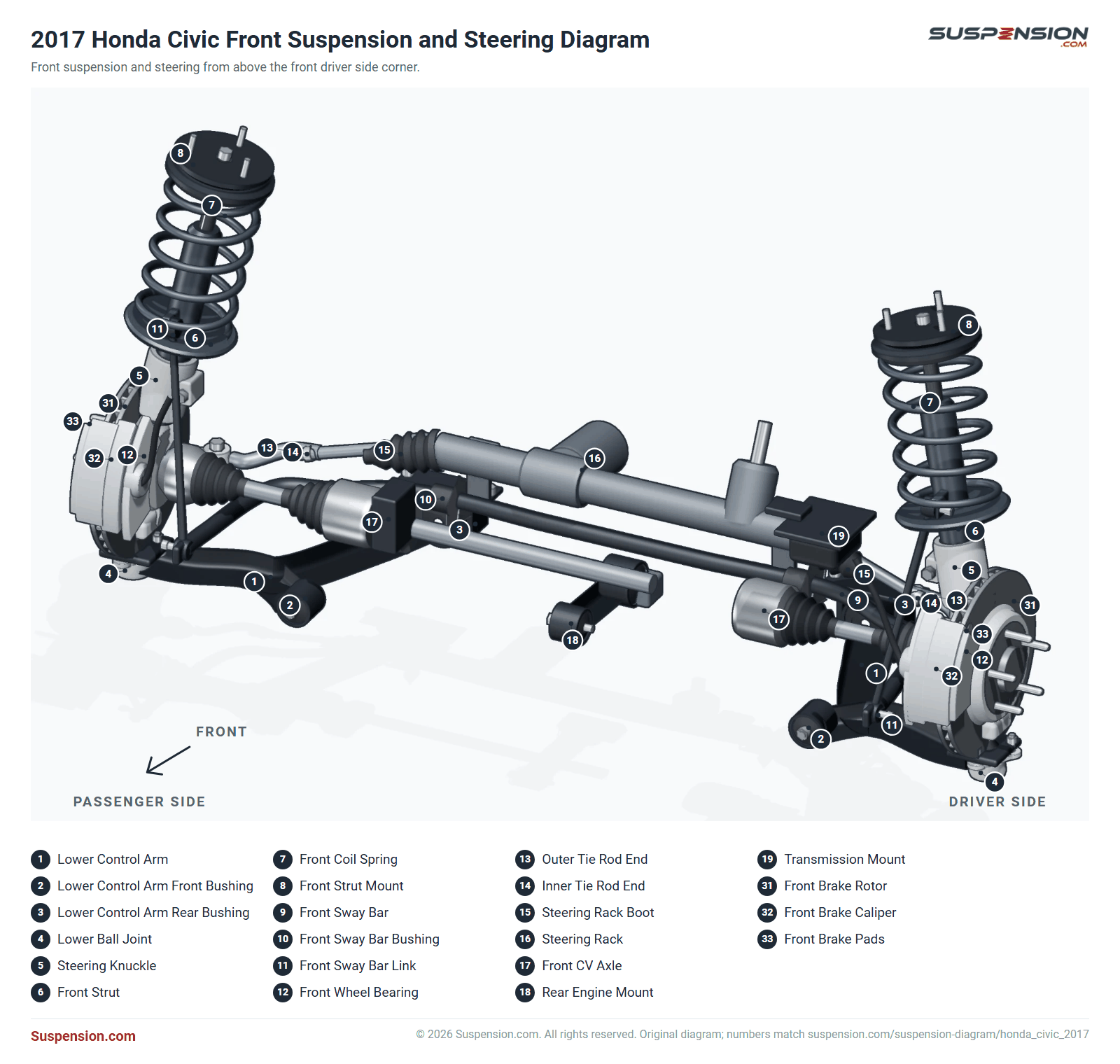
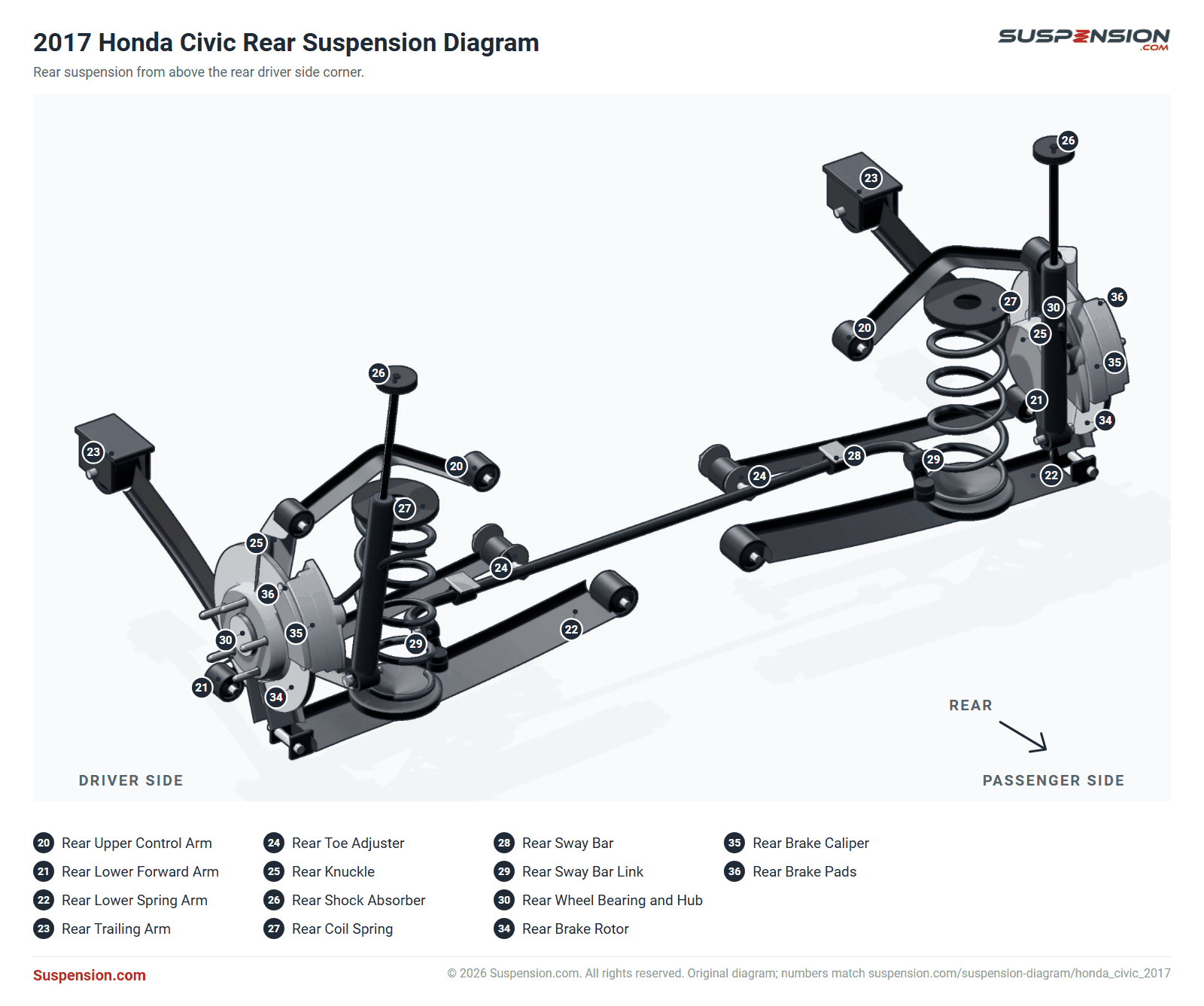
This interactive diagram shows the front suspension, steering, axles and rear suspension of the 2017 Honda Civic. Hover over or tap any part to see what it does, the signs that it is worn, and the replacement parts we carry that fit your car, down to the side.
We carry parts for it Not stocked yet Hover or tap any part.
The 2016 to 2021 Civic uses MacPherson struts up front, each on an L shaped lower control arm with a bolt on ball joint. The steering rack sits behind the front axle, and the front axles run from the transmission, with an intermediate shaft behind the engine on the passenger side. The rear is a multi-link design: a wide lower arm carries the coil spring, a forward lower link, an arched upper arm and a trailing arm locate each rear wheel, and the shock sits apart from the spring.
We carry replacement parts for 30 of the 36 components on this diagram, 101 parts in all. See every part for the 2017 Honda Civic.
A strut, coil spring and top mount already assembled, so no spring compressor is needed.
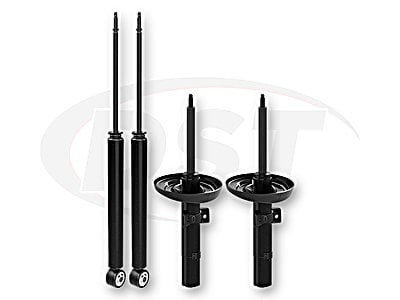
Front struts and rear shocks for the whole car in one order.
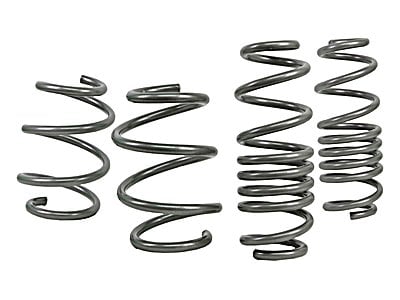
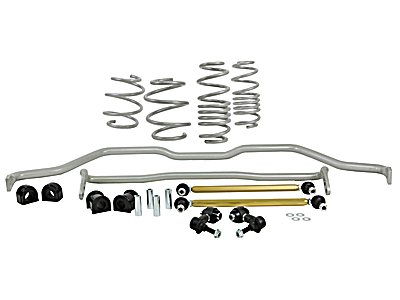
A set of four springs that lower the car. Plan an alignment afterwards.
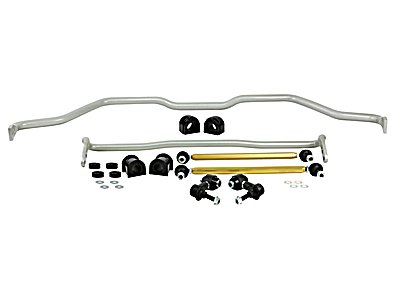
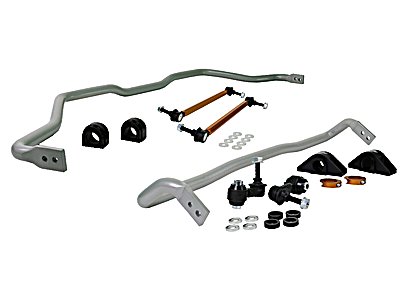
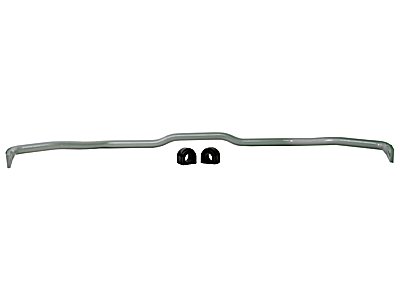
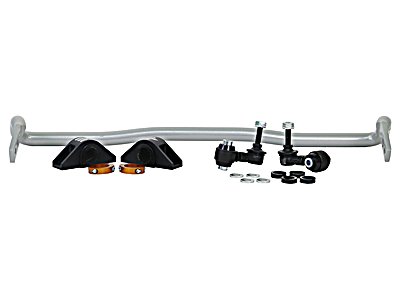
Front and rear sway bars, with links and bushings, in one kit.
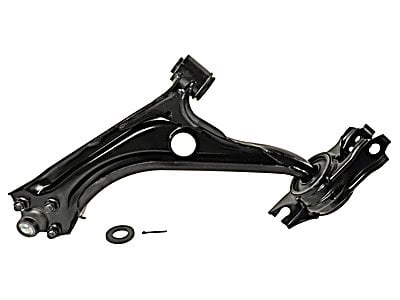
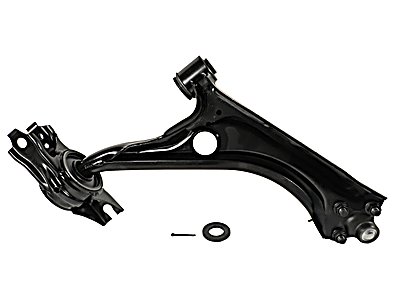
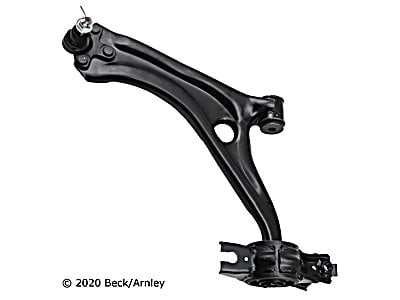
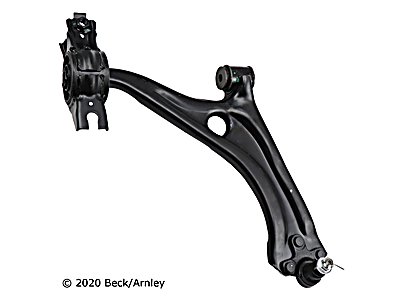
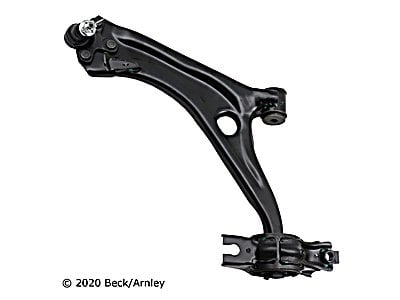
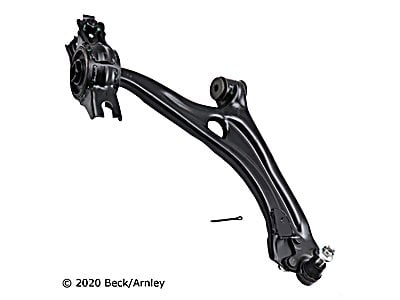
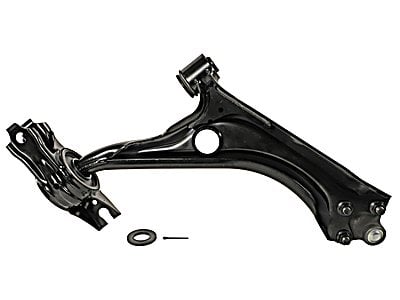
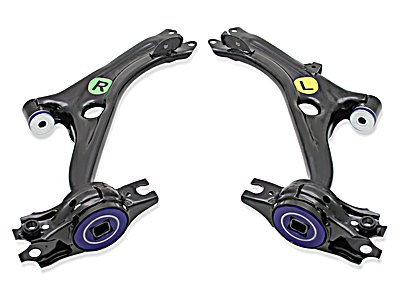
An L shaped pressed steel arm under each front corner. Its short leg pivots on a bushing under the subframe side member, its long leg runs back to a large bushing in a bolt on bracket, and the ball joint is bolted to the outer end.
Signs of wear: Clunks over bumps, a loose or wandering feel, torn bushings or uneven tire wear.
Tip: Left and right arms are different parts, and arms differ by transmission and by cars with lane keeping. Check the fit notes before you order.
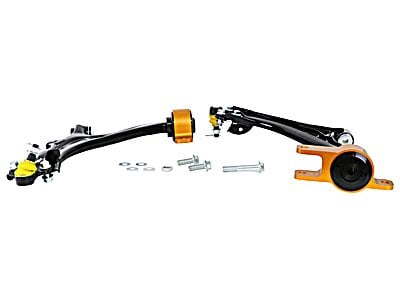
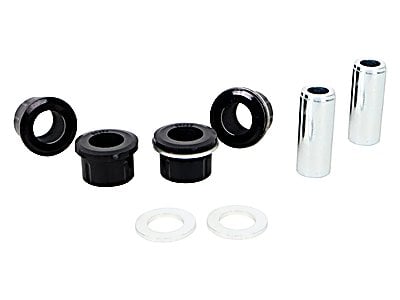
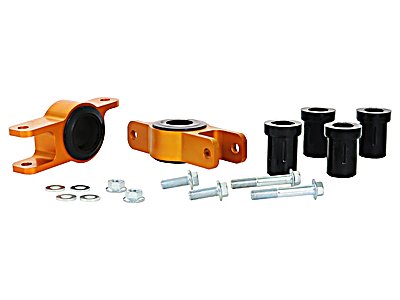
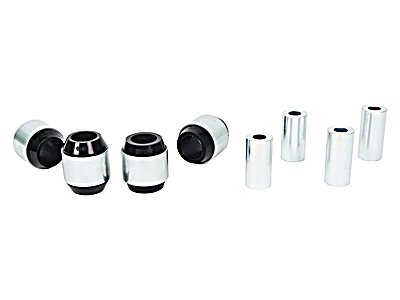
The small bushing at the end of the arm's short leg. Its bolt runs front to back through a bracket under the subframe.
Signs of wear: A clunk when braking or turning, or steering that pulls under braking.
Tip: The bushing is pressed into the arm. Many owners fit a complete arm instead.
See all Front Control Arm Bushings parts for the 2017 Honda Civic
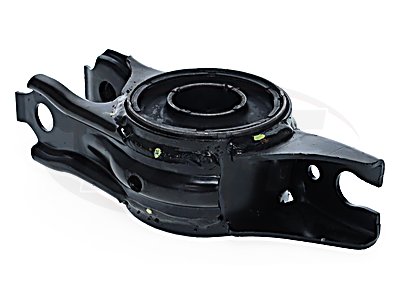
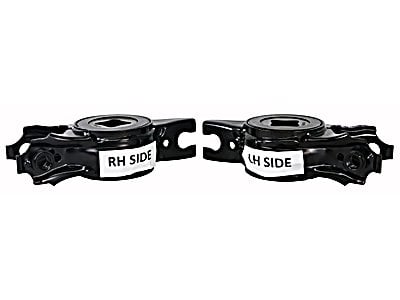
The large rear bushing of the lower arm, held in its own two bolt bracket at the back corner of the subframe. It lets the arm move and soaks up road shock.
Signs of wear: Clunking or a shimmy over bumps, steering that wanders under braking, or torn rubber you can see from under the car.
Tip: The bushing comes with its bracket, so it can be changed without replacing the whole arm.
See all Front Control Arm Bushings parts for the 2017 Honda Civic
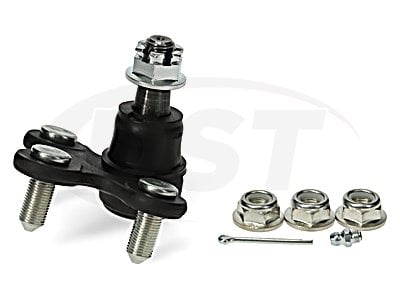
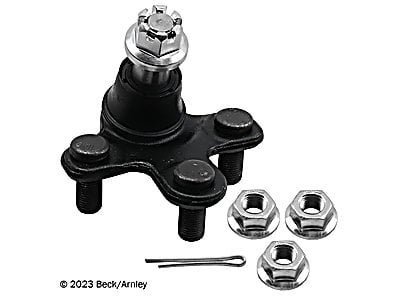
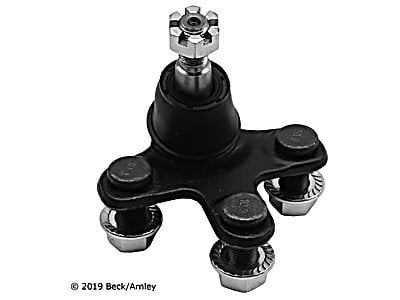
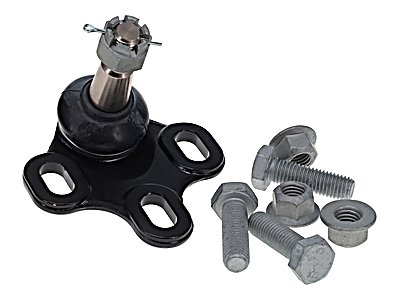
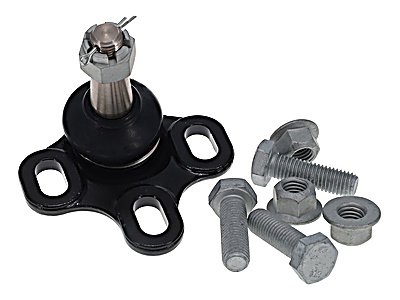
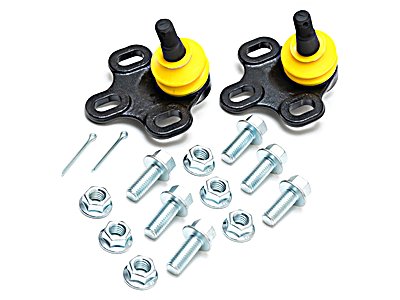
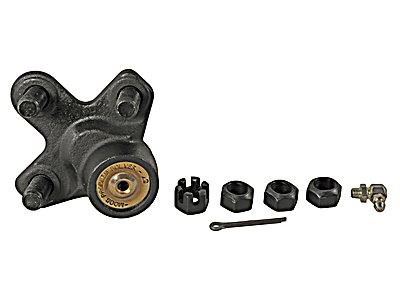
The pivot between the lower arm and the steering knuckle. It bolts to the arm with three studs, and its tapered stud points up into the bottom of the knuckle.
Signs of wear: Clunks over bumps, play when the wheel is rocked top to bottom, or uneven tire wear.
Tip: Some joints are camber adjustable and some do not fit cars with aluminum knuckles. Read the fit notes.
See all Front Lower Ball Joint parts for the 2017 Honda Civic
The knuckle carries the wheel bearing, hub and brake caliper. The strut clamps to its top, the ball joint holds its bottom and the tie rod turns it by an arm at the back.
Signs of wear: Rarely a wear item. Check it after a hard curb strike.
Tip: The knuckle on the diagram is a simplified shape.
The front damper and the top of the suspension in one. It clamps to the knuckle with two bolts and carries the coil spring and the sway bar link tab.
Signs of wear: Bouncing after bumps, nose dive on braking, fluid on the strut body, or cupped tires.
Tip: The coil spring is under load when the strut is apart. Use a spring compressor, or fit a complete strut assembly.
The coil spring sits on a seat on the strut body and pushes up against the top mount.
Signs of wear: A front end that sits low on one side, or a clunk from a broken coil end.
Tip: Replace springs in pairs. Lowering springs change the ride height, so plan an alignment.
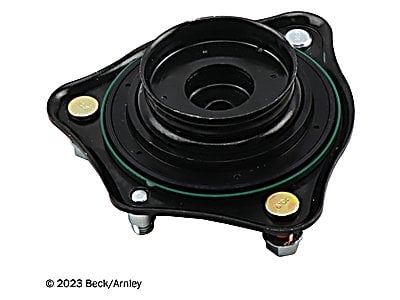
The top mount bolts up into the strut tower with three studs and holds the strut rod. A bearing in it lets the strut turn with the steering.
Signs of wear: A knock or creak from the top of the tower when turning or over bumps.
Tip: Replace the mounts when you replace the struts, because the strut has to come apart anyway.
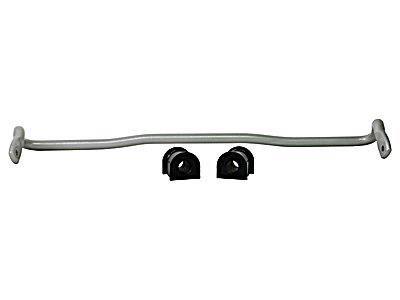
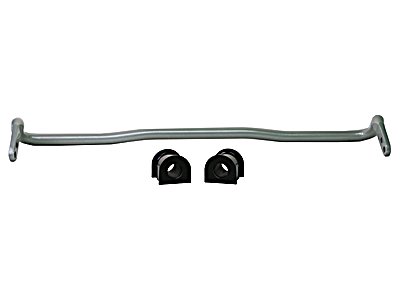
A spring steel bar across the car that links the two front wheels to reduce body roll. Its ends drop down to the sway bar links.
Signs of wear: Rarely a wear item. Noise usually comes from its bushings or links.
Tip: A thicker aftermarket bar reduces roll further. Bushings must match the bar diameter.
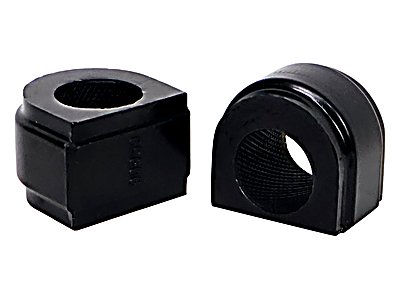
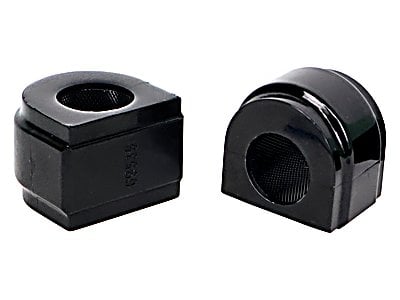
Rubber bushings in clamps that hold the front sway bar to the subframe.
Signs of wear: A squeak or knock over bumps, from a dry or worn bushing.
Tip: Bushings come in sizes to match the bar. The stock bar is 25 mm on most trims.
See all Front Sway Bar Bushings parts for the 2017 Honda Civic
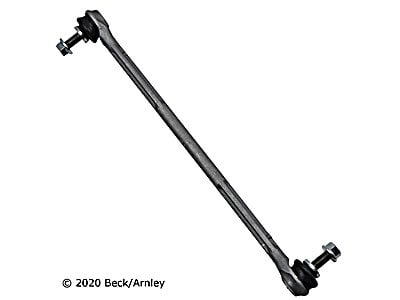
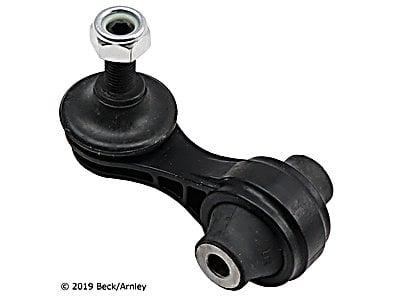
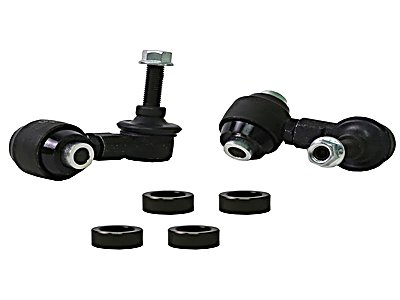
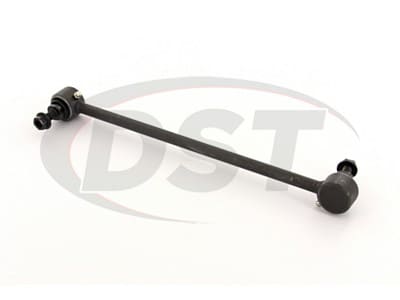
A long link with a ball stud at each end, from a tab on the strut body down to the end of the sway bar.
Signs of wear: A rattle or clunk over small bumps, usually from a worn ball stud.
Tip: Replace the links in pairs.
See all Front Sway Bar Endlinks parts for the 2017 Honda Civic
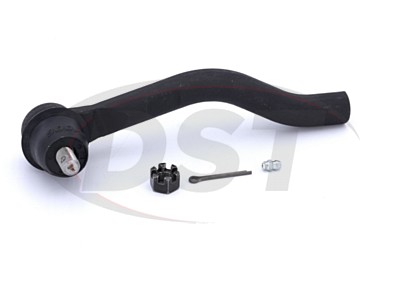
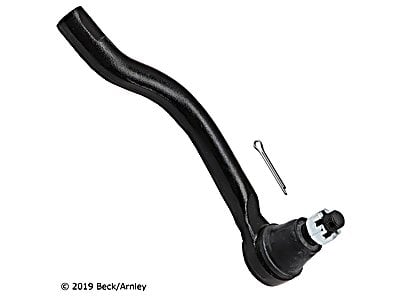
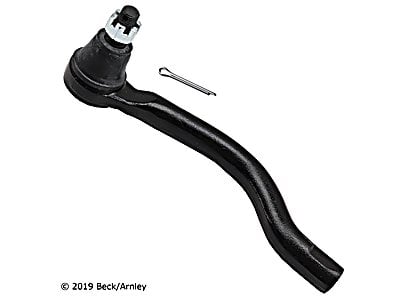
The bent outer end of the tie rod. Its ball stud fits up into the steering arm at the back of the knuckle.
Signs of wear: Loose or wandering steering, a clunk when turning, or wear on the inner or outer tire edges.
Tip: Count the turns when you remove it, so the toe stays close until the alignment.
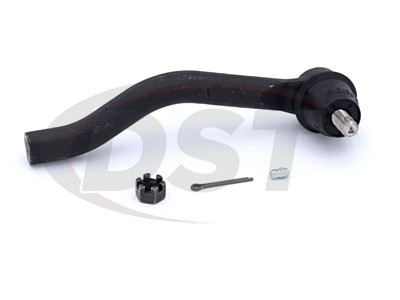
See all Front Outer Tie Rod End parts for the 2017 Honda Civic
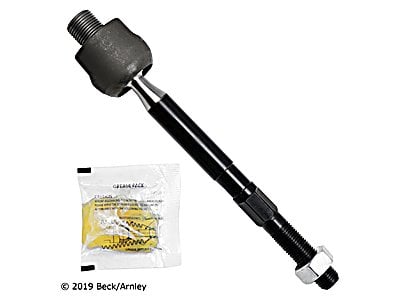
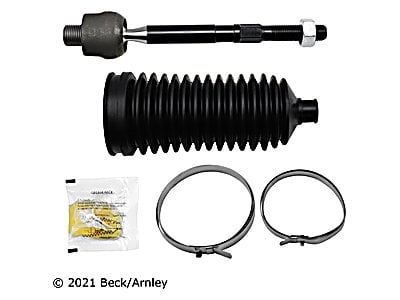
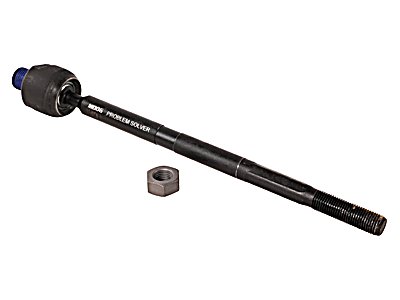
The straight inner rod, with a ball socket that threads onto the end of the steering rack under the rack boot.
Signs of wear: Play in the steering, a knock over bumps, or a wandering feel.
Tip: Turbo and non turbo cars can use different inner rods. Check the fit notes.
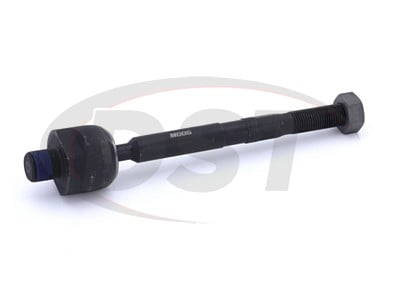
See all Front Inner Tie Rod End parts for the 2017 Honda Civic
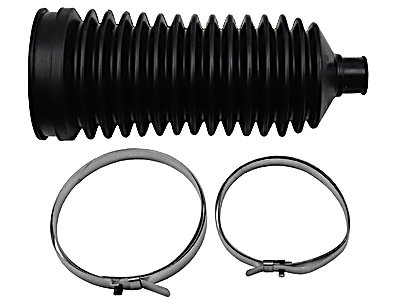
The rubber bellows that seals each end of the steering rack over the inner tie rod.
Signs of wear: A torn boot lets dirt and water into the inner tie rod and the rack.
Tip: Replace a torn boot quickly, before the inner joint wears.
Electric power rack and pinion steering, mounted behind the front axle. The tie rods run from its ends to the knuckles.
Signs of wear: Heavy or uneven steering effort, or a knock from the rack.
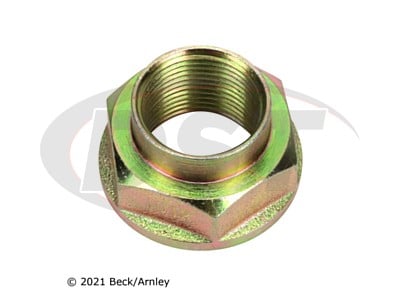
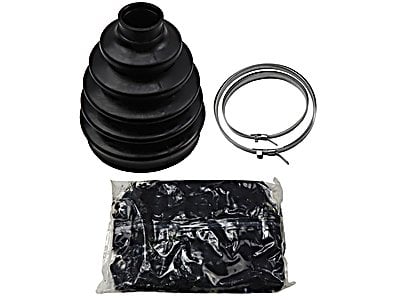
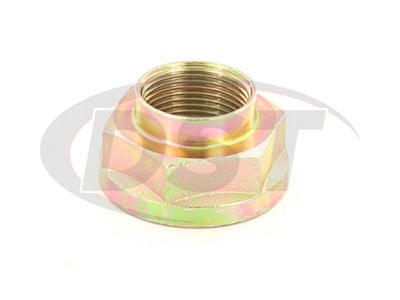
The half shafts drive the front wheels. The passenger shaft runs behind the engine on an intermediate shaft with a carrier bearing.
Signs of wear: Clicking on tight turns, a vibration when accelerating, or grease thrown from a torn boot.
Tip: Boot kits, axle nuts and the carrier bearing are listed here.
See all CV Joint Parts - Front parts for the 2017 Honda Civic
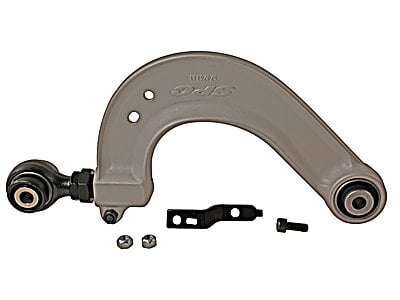
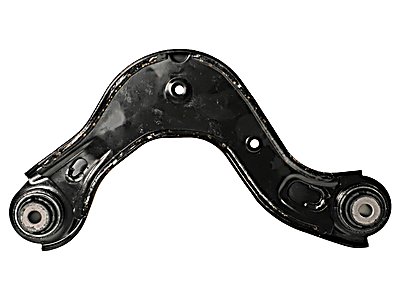
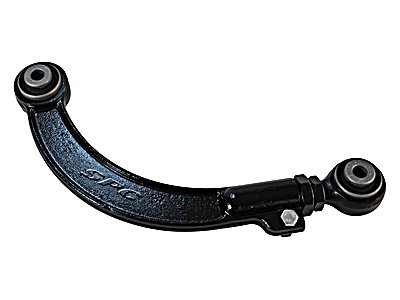
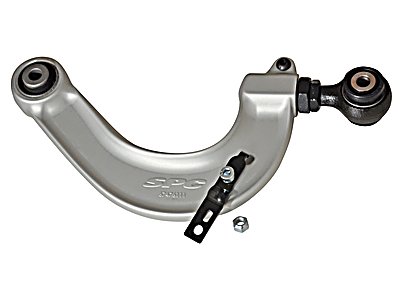
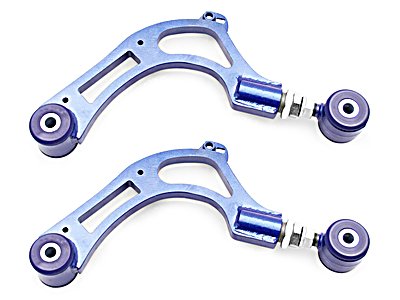
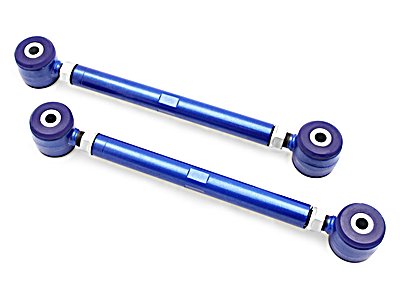
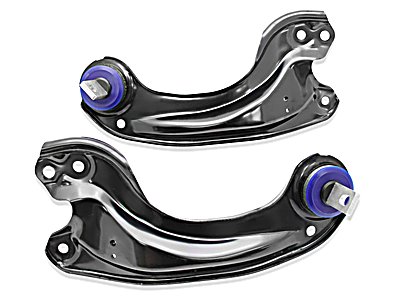
An arched arm at the top of the rear knuckle. It sets the rear camber.
Signs of wear: Uneven inner tire wear at the rear, or a knock over bumps from a worn bushing.
Tip: Adjustable arms let you set rear camber on a lowered car.
A straight link from the subframe to the knuckle, ahead of the spring arm.
Signs of wear: Clunks over bumps, or a rear end that feels loose in corners.
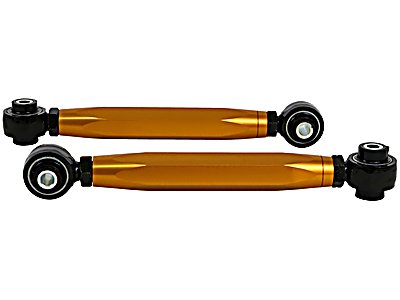
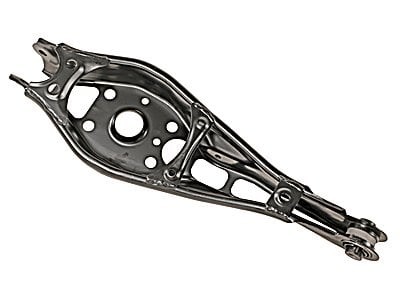
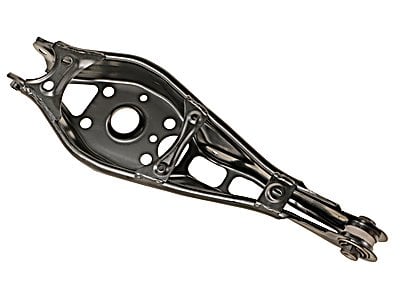
The wide lower arm that carries the rear coil spring in a pocket. The rear sway bar link stands on it.
Signs of wear: A clunk over bumps, a sagging corner, or rust around the spring pocket.
Tip: Left and right arms are different parts.
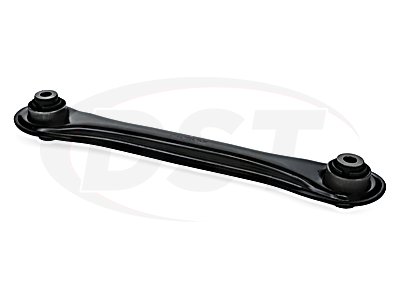
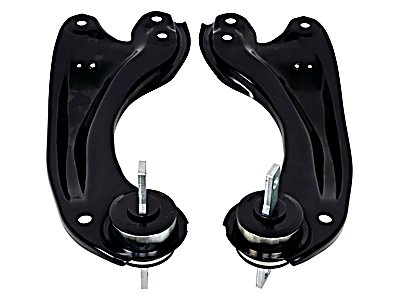
A flat arm from the front of the knuckle forward to a large bushing in a bracket on the body. It holds the wheel fore and aft.
Signs of wear: A clunk on braking or over bumps, or a rear that steers itself on rough roads.
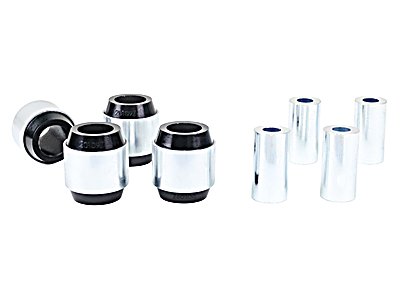
Tip: Trailing arm bushings are listed with the arms.
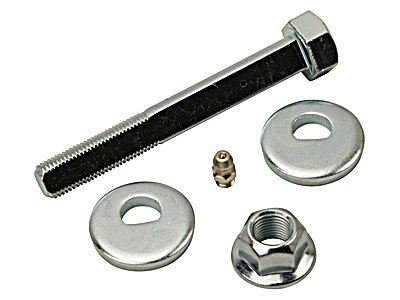
An eccentric cam bolt with cam washers at the inner end of a rear lower link. Turning it sets the rear toe.
Signs of wear: Rear tires that wear on the edges, or a rear toe setting that will not hold.
Tip: Fit it during an alignment.
See all Rear End Alignment Kit parts for the 2017 Honda Civic
The rear upright. Every rear link bolts to it, and it carries the hub and the brake.
Signs of wear: Rarely a wear item.
Tip: The knuckle on the diagram is a simplified shape.
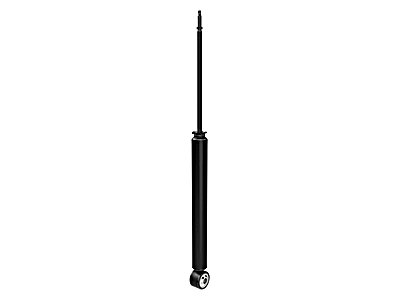
The rear damper sits apart from the spring, from an eye at the knuckle up to a mount in the body.
Signs of wear: Bouncing after bumps, a rear that floats at speed, or fluid on the shock body.
Tip: Replace shocks in pairs.
The rear coil spring sits in the pocket of the lower spring arm and pushes up into a seat in the body.
Signs of wear: A rear that sits low on one side, or a clunk from a broken coil.
Tip: Replace springs in pairs.
A bar across the rear subframe that links the two rear wheels to reduce body roll.
Signs of wear: Rarely a wear item. Noise usually comes from the links or bushings.
Tip: Some aftermarket bars fit front wheel drive models only. Check the fit notes.
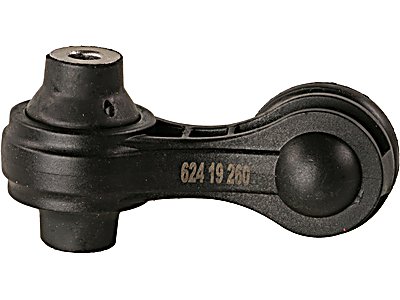
A short link from the end of the rear sway bar down to the spring arm.
Signs of wear: A rattle from the rear over small bumps.
Tip: Replace the links in pairs.
See all Rear Sway Bar Endlinks parts for the 2017 Honda Civic
A sealed bearing pressed into the knuckle. The hub with the wheel studs is pressed through it.
Signs of wear: A hum or growl that rises with speed and changes when the car turns.
Tip: Pressing the bearing in and out needs a press or a bearing tool.
See all Front Wheel Bearing Assembly parts for the 2017 Honda Civic
A sealed hub and bearing unit that bolts to the rear knuckle with four bolts and carries the five wheel studs.
Signs of wear: A hum or growl from the rear that rises with speed.
Tip: The unit bolts on, so no press is needed.

See all Rear Wheel Bearing and Hub Assembly parts for the 2017 Honda Civic
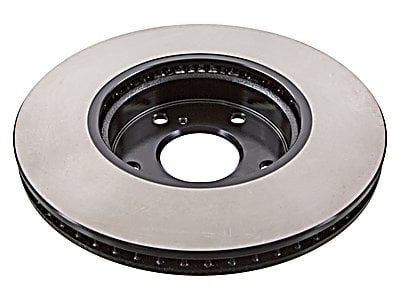
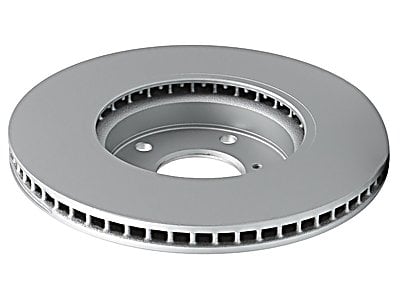
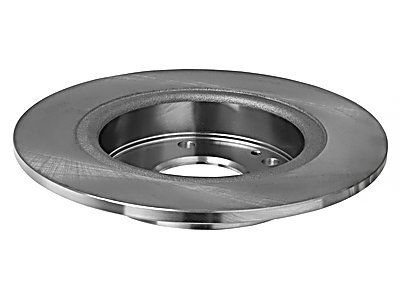
The vented front brake disc, 282 mm across.
Signs of wear: Pulsing in the pedal, grooves, or a lip at the outer edge.
Tip: Replace rotors in pairs, with new pads.
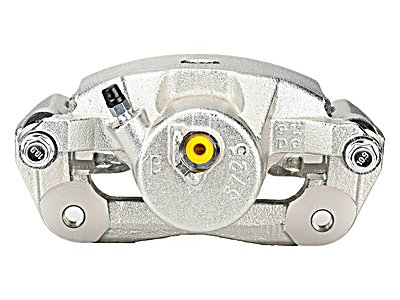
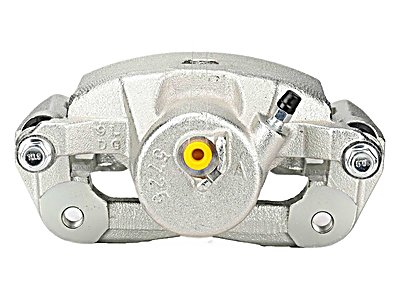
The floating caliper on its bracket, ahead of the front axle.
Signs of wear: A pull to one side when braking, a sticking brake, or a fluid leak.
Tip: Bleed the brakes after fitting a caliper.
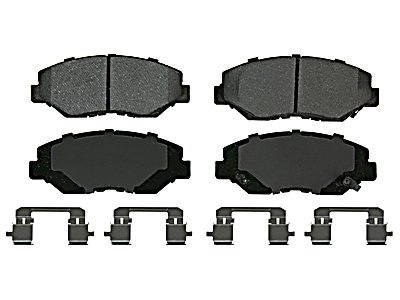
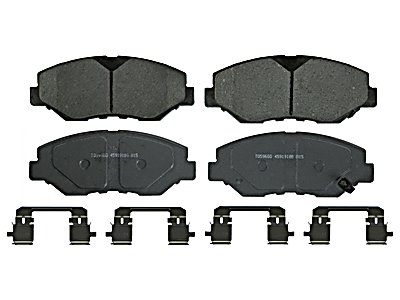
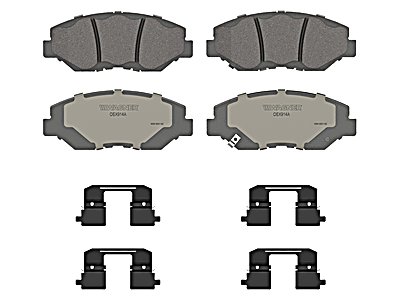
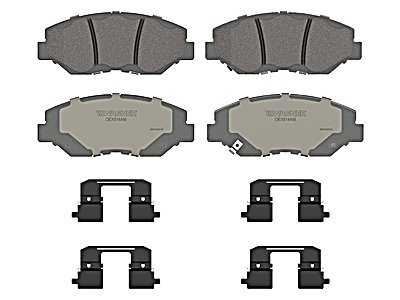
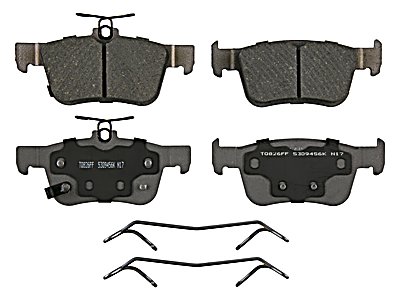
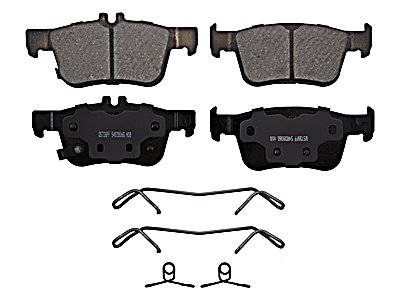
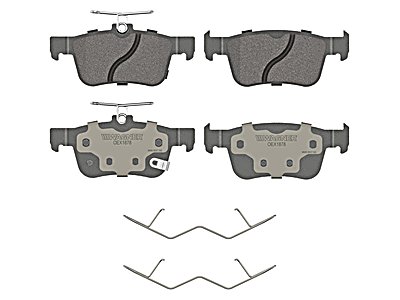
The pads, shown lifted out of the caliper.
Signs of wear: Squealing, grinding, or a long pedal.
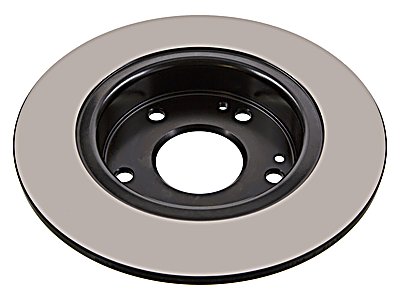
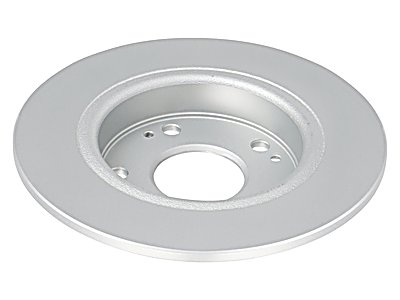
The solid rear brake disc.
Signs of wear: Grooves, rust ridges or a pulsing pedal.
Tip: Replace rotors in pairs, with new pads.
The rear caliper, behind and above the rear axle. The electronic parking brake works through it.
Signs of wear: A dragging rear brake or a parking brake fault light.
Tip: Cars with the electric parking brake need a scan tool to retract the piston.
The rear pads, shown lifted out of the caliper.
Signs of wear: Squealing or grinding from the rear.
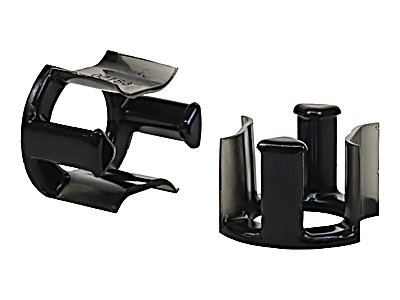
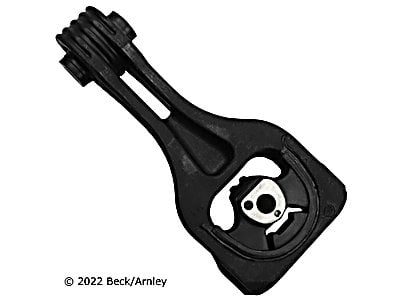
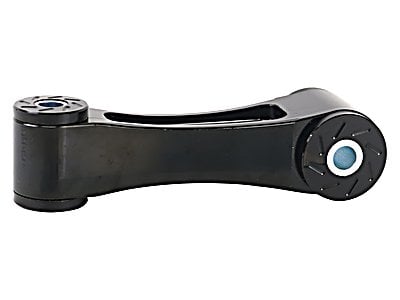
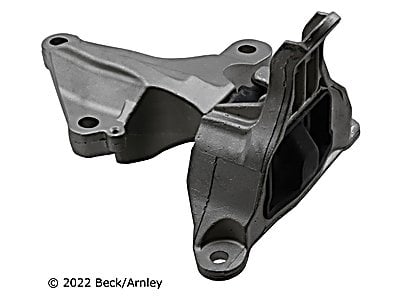
A torque rod at the back of the engine, from the subframe to the transaxle. It stops the engine rocking under power.
Signs of wear: A clunk when shifting into gear or pulling away, or more vibration in the cabin.
Tip: Inserts stiffen the stock mount.
The mount that holds the transaxle end of the engine to the body.
Signs of wear: A clunk when shifting, or vibration at idle.
Tip: The diagram shows its general place only.
Sway bar links, the large rear bushing of the front lower control arm, struts and strut mounts are the usual ones. A clunk over small bumps is most often a link, and a clunk on braking is often the lower arm rear bushing.
No. The front is a strut design, so each front corner has only a lower control arm and a lower ball joint. The rear does have an upper arm on each side.
The arms are listed by transmission and by whether the car has lane keeping, and left and right are different parts. Check the fit notes on each arm before you order.
Yes, after tie rods, control arms, struts or rear links. Front toe is set at the tie rods. Adjustable ball joints and rear arms are available when you need more camber range, for example on a lowered car.
The 2016 to 2021 Civic sedan and coupe share this layout, and about 9 in 10 of the parts we list carry over from one year to the next. The Si shares most of it. The Type R uses its own front struts, hubs and several other parts, so it is not shown here.
Numbered diagrams to print or save for the shop. The numbers match the numbered parts on the interactive diagram.