Complete Front Strut Assemblies
A front strut with its spring, mount and boot already assembled, so no spring compressor is needed.
This interactive diagram shows the front suspension, steering, axles, rear suspension and brakes of the 2012 Honda Fit hatchback. Hover over or tap any part to see what it does, the signs that it is worn, and the replacement parts we carry that fit your car, down to the side and position.
We carry parts for it Not stocked yet Hover or tap any part.
The 2009 to 2013 Fit uses MacPherson struts at the front, each clamping the knuckle above an L shaped lower control arm with a pressed in ball joint. Links rise from the front sway bar to the struts, and the steering rack sits behind the front axle. The rear is a torsion beam: two trailing arms joined by a cross member, with a coil spring on a pan on each arm, a separate shock behind it, and drum brakes.
We carry replacement parts for 21 of the 29 components on this diagram, 55 parts in all. See every part for the 2012 Honda Fit.
A front strut with its spring, mount and boot already assembled, so no spring compressor is needed.
Front struts and rear shocks for the whole car in one order.
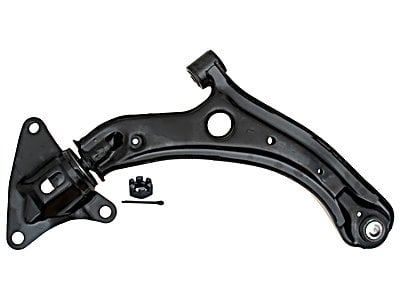
A pressed steel L shaped arm. The ball joint is pressed into its outer end, the front leg pivots on a bushing at the subframe, and the rear leg ends in a stem that sits in a bushing held by a three bolt bracket.
Signs of wear: Creaking or popping in slow tight turns, clunks over bumps or under braking, or wandering on the highway.
Tip: Left and right arms are different parts. The arm assemblies come with the ball joint and both bushings fitted.
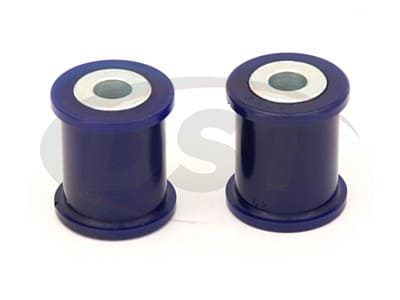
The rubber bushing in the arm's front eye, bolted fore and aft through the subframe.
Signs of wear: A clunk when pulling away or braking, or torn rubber.
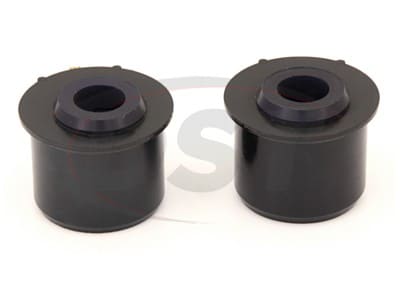
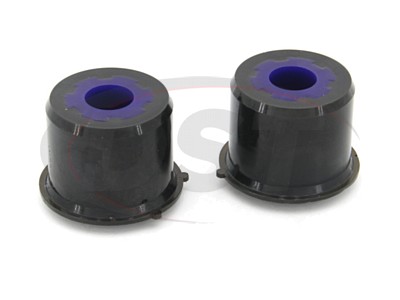
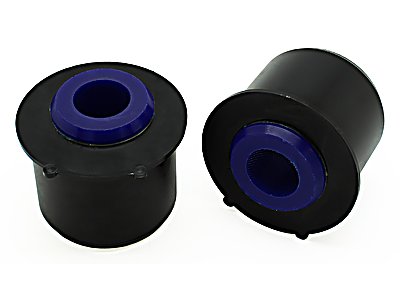
Tip: Polyurethane sets replace the arm's inner bushings.
See all Front Control Arm Bushings parts for the 2012 Honda Fit
The large rubber bushing on the arm's rear stem, held in a bracket that bolts up under the body with three bolts.
Signs of wear: Creaks in slow turns, shimmy under braking, or rubber that has split.
Tip: Left and right rear bushings are different parts.
See all Front Control Arm Bushings parts for the 2012 Honda Fit
A ball joint pressed into the outer end of the lower arm. Its stud goes up into the bottom of the knuckle with a castle nut and a lock pin.
Signs of wear: A clunk over bumps, play when the wheel is rocked top to bottom, or a torn boot.
Tip: The joint is pressed in, so it needs a press tool, or replace the whole arm.
The cast knuckle carries the wheel bearing and hub. Its top sits in the strut's two bolt clevis, the ball joint stud goes into its bottom, and the tie rod joins its steering arm behind the axle.
Signs of wear: A bent knuckle after a curb strike pulls the car to one side.
Tip: The knuckle is not sold here; the bearing, ball joint and tie rod end that fit it are.
The MacPherson strut clamps the top of the knuckle in a two bolt clevis and runs up to the strut tower. It carries the coil spring, and a tab on its body holds the top of the sway bar link.
Signs of wear: Bouncing after bumps, nose dive under braking, fluid on the strut body, or a knock from the top of the strut.
Tip: Left and right struts are different parts. Complete strut assemblies need no spring compressor.
The front coil spring sits on a seat on the strut body and pushes up against the top mount, with rubber insulators at its ends.
Signs of wear: A corner sitting low, a broken coil end, or a clunk when turning at low speed.
Tip: Replace springs in pairs.
A rubber boot over the strut rod, inside the coil spring, with the bump stop at its top. It keeps dirt off the rod seal.
Signs of wear: A torn boot, or a harsh bang when the suspension bottoms out.
Tip: Replace the boot and bump stop whenever the strut is replaced.
See all Front Shock Bellows Boot Kit parts for the 2012 Honda Fit
The rubber mount and bearing at the top of the strut, bolted to the strut tower under the hood.
Signs of wear: Knocks or creaks from the top of the strut over bumps or while turning the wheel at a standstill.
Tip: One mount fits 2009 to 2013. Mark the mount's position before you take the strut apart.
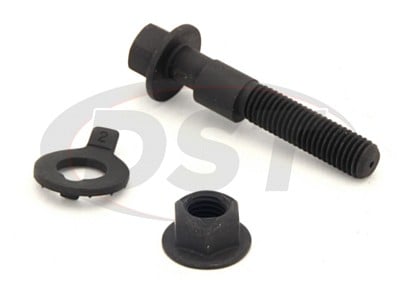
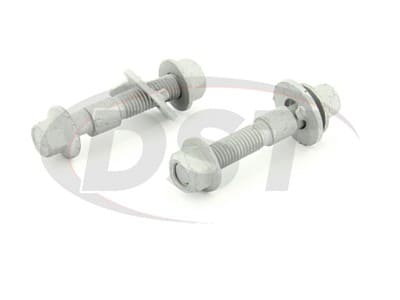
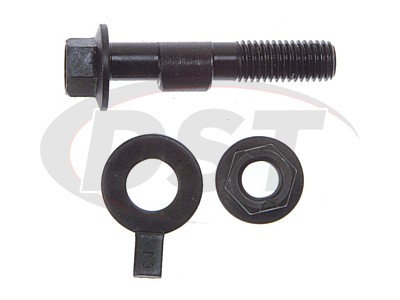
The two bolts that hold the strut's clevis to the top of the knuckle. Offset cam bolts in their place let the camber be set.
Signs of wear: Uneven wear on the inside or outside edge of the front tires after a curb strike.
Tip: The cam bolts replace the upper strut to knuckle bolt (14 mm). Align the car afterward.
See all Front End Alignment Kit parts for the 2012 Honda Fit
The front sway bar runs across behind the subframe. Its ends bend forward to the links that rise to the struts.
Signs of wear: A bar seldom fails; worn links and bushings are what make the noise.
Tip: Check the links and bushings first.
Two rubber bushings in clamps hold the front bar to the back of the subframe.
Signs of wear: A squeak or a dull knock over bumps from the front of the car.
Tip: The bushing kit is listed for 2009 to 2011 cars. Check the bar size in the fit notes.
A link with a ball stud at each end. The top bolts to a tab on the strut body and the bottom to the end of the sway bar.
Signs of wear: A rattle or clunk over small bumps is the most common sign.
Tip: One link fits both sides. Adjustable links are listed too.

See all Front Sway Bar Endlinks parts for the 2012 Honda Fit
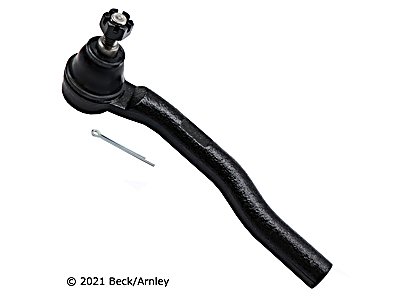
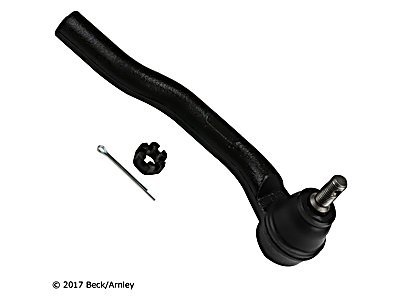
The outer tie rod end threads onto the inner rod. Its stud goes up through the knuckle's steering arm behind the axle.
Signs of wear: Loose steering, a clunk when turning, or uneven tire wear.
Tip: Left and right outer ends are different parts. Count the turns when you take the old one off, then align the car.
See all Front Outer Tie Rod End parts for the 2012 Honda Fit
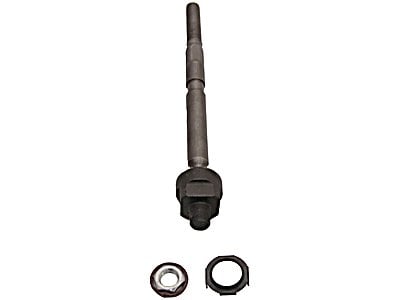
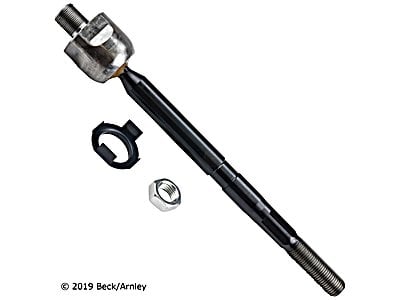
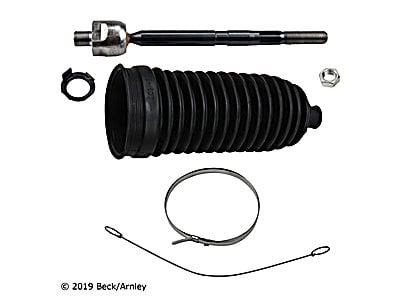
The inner tie rod screws into the end of the steering rack under the boot.
Signs of wear: Play in the steering with the boot squeezed, or a clunk over bumps.
Tip: One inner rod fits both sides. Replace the boot clamp and align the car afterward.
See all Front Inner Tie Rod End parts for the 2012 Honda Fit
A rubber boot at each end of the rack keeps dirt out of the inner tie rod joint.
Signs of wear: A split boot, or grease on the rack.
Tip: Fit the boot when the inner rod is replaced; a split boot lets grit into the inner joint.
The electric power steering rack sits behind the front axle on the subframe. Its pinion rises on the driver side to the steering column.
Signs of wear: Clunks over bumps, wandering, or a leak at a boot.
Tip: Align the car after any rack work.
The half shafts drive the front wheels. The driver shaft goes straight into the transmission; the passenger shaft runs on an intermediate shaft with a carrier bearing behind the engine.
Signs of wear: Clicking when turning, a vibration on acceleration, or grease thrown from a split boot.
Tip: Boot kits, axle nuts and the carrier bearing are listed here. The inner boot kit and the carrier bearing differ between automatic and manual cars; check the fit notes.
A torsion beam: two trailing arms joined by a cross member close behind their front pivots. It carries the springs, shocks and rear brakes.
Signs of wear: Clunks from the rear over bumps, or the rear wheels steering the car, point to worn pivot bushings.
Tip: The beam itself is not sold here. The pivot bushings and the hubs are.
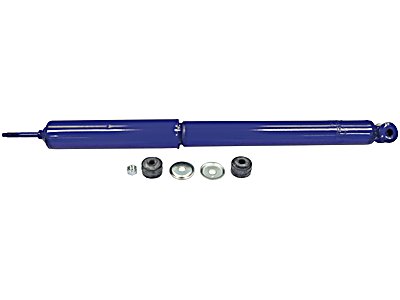
The rear shock stands behind the coil spring. Its bottom eye bolts to a bracket at the rear of the trailing arm and its top stem goes up through the body with rubber bushings and a nut.
Signs of wear: Bouncing after bumps, the rear swaying, or fluid on the body.
Tip: Replace shocks in pairs. The shock does not carry the spring, so no spring compressor is needed.
The rear coil spring sits on a pan on the trailing arm, inboard of the brake, and pushes up on a rubber seat in the body.
Signs of wear: A corner sitting low, or a broken coil end.
Tip: Replace springs in pairs. Lower the beam on a jack with the shock unbolted to take the spring out.
The front bearing is pressed into the knuckle and the hub is pressed through it.
Signs of wear: A hum or growl that changes with speed or when turning, or play in the wheel.
Tip: Pressing the bearing needs a press; a complete knuckle assembly avoids that.
See all Front Wheel Bearing Assembly parts for the 2012 Honda Fit
The rubber bushing in the eye at the front of each trailing arm, where the beam pivots on a bracket under the body.
Signs of wear: Rear end wander or a clunk over bumps from the back of the car.
Tip: Polyurethane sets replace the factory rubber bushing.
See all Rear Axel Beam Bushings parts for the 2012 Honda Fit
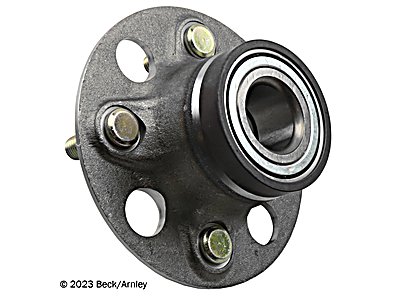
A bolt on hub and bearing unit on the end of the beam, with four wheel studs and the drum over it.
Signs of wear: A hum from the rear that rises with speed, or play in the wheel.
Tip: One hub fits 2009 to 2013 gas cars.
See all Rear Wheel Bearing and Hub Assembly parts for the 2012 Honda Fit
A 262 mm vented rotor on the front hub, under the caliper.
Signs of wear: A pulsing pedal, grooves, or a lip at the edge.
Tip: One front rotor fits 2009 to 2013 gas cars.
A single piston floating caliper on a bracket bolted to the front of the knuckle.
Signs of wear: Pulling to one side when braking, a dragging wheel, or a leak.
Tip: Bleed the brakes after replacing a caliper.
The pads sit in the caliper bracket either side of the rotor. The inner pad carries a wear indicator.
Signs of wear: Squealing, grinding, or a long pedal.
Tip: The pad number changes for 2012 cars. Check the fit notes.
A 200 mm drum over the rear hub and shoes, held on by the wheel.
Signs of wear: A pulsing pedal when stopping gently, or a grinding noise from the rear.
Tip: Replace drums in pairs.
The shoes sit on the backing plate inside the drum.
Signs of wear: A parking brake lever that pulls up too far, or grinding from the rear.
Tip: Replace shoes on both sides together and adjust them after.
Front sway bar links, front strut mounts, front lower control arms and their bushings, and outer tie rod ends. A knock over small bumps from the front is most often a sway bar link; a clunk or creak when turning the wheel is often a strut mount.
The ball joint is pressed into the lower arm, so it needs a press tool. Many owners replace the whole arm, which comes with the ball joint and both bushings fitted.
The Sport shares the struts, arms, tie rods, brakes and rear shocks on this diagram. It has 16 inch wheels and a small rear sway bar that the base Fit does not have; the bar is not drawn.
2012 and later cars take a different front pad number from 2009 to 2011 cars. The rotors, calipers, drums and hubs are the same for 2009 to 2012. Check the fit notes on each part.
The 2009 to 2013 Fit shares this layout. The 2013 Fit EV is a different car with its own rear suspension, brakes and arms, so check the fit notes if you have an EV.
Numbered diagrams to print or save for the shop. The numbers match the numbered parts on the interactive diagram.