Front End Steering Rebuild Kits
Package kits bundle the wearing front end parts in one order, usually for less than buying them one by one.
This interactive diagram shows the front suspension, steering, 4WD driveline and independent rear suspension of the 2002 Ford Explorer 4WD. Hover over or tap any part to see what it does, the signs that it is worn, and the replacement parts we carry that fit, down to the side and position.
We carry parts for it Not stocked yet Hover or tap any part.
The 2002 to 2005 Explorer and Mountaineer four door share this layout: upper and lower control arms at the front with a coilover standing on each lower arm, an aluminum knuckle, rack and pinion steering ahead of the front axle, and a front differential with CV shafts out to the hubs. The rear is independent: a lower control arm, a forged aluminum upper arm with a ball joint, a toe link and a coilover at each corner, with the rear differential on its own crossmembers and CV half shafts out to the knuckles.
We carry replacement parts for 42 of the 48 components on this diagram, 132 parts in all. See every part for the 2002 Ford Explorer 4WD.
Package kits bundle the wearing front end parts in one order, usually for less than buying them one by one.
Front and rear strut sets for the whole truck.
The upper ball joint presses into the outer end of the upper control arm. Its stud points down into the top of the aluminum knuckle.
Signs of wear: Clunks over bumps, wandering, or play when the wheel is rocked top to bottom.
Tip: The joint can be pressed out of the arm on its own, or the arm can be bought with a new joint fitted.
See all Front Upper Ball Joint parts for the 2002 Ford Explorer 4WD
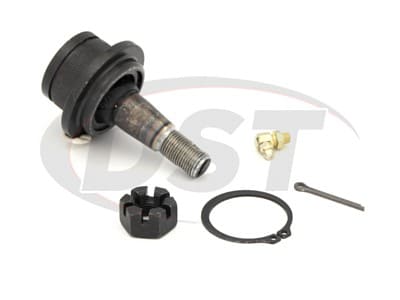
The lower ball joint presses into the outer corner of the lower control arm. Its stud points up into the bottom of the knuckle.
Signs of wear: Clunks over bumps, a loose front end, or play when the wheel is rocked top to bottom with the truck on a jack.
Tip: It carries the weight of the truck, so it usually wears first. On 4WD trucks the front hub comes off first to reach it.
See all Front Lower Ball Joint parts for the 2002 Ford Explorer 4WD
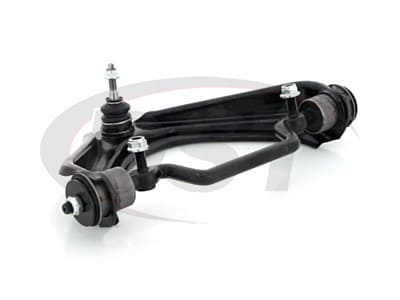
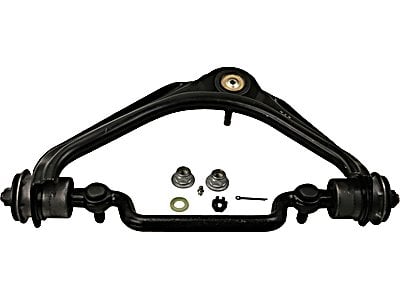
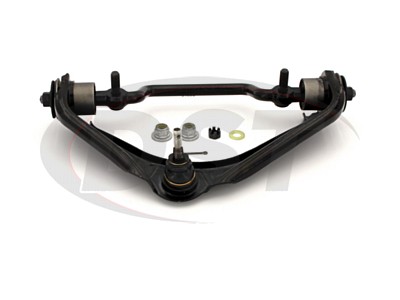
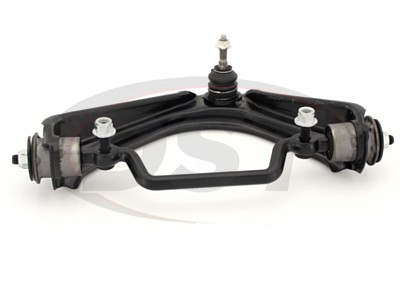
A stamped steel A arm over the coilover. Its two bushings pivot on a bracket on the frame, and the upper ball joint sits in its outer end.
Signs of wear: Clunks, torn bushings, a worn ball joint, or camber that will not set.
Tip: The left and right arms are different parts. The same arms fit every 2002 to 2005 Explorer and Mountaineer.
See all Front Control Arm parts for the 2002 Ford Explorer 4WD
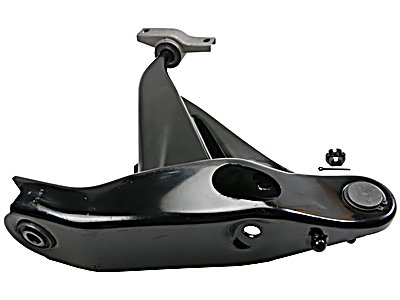
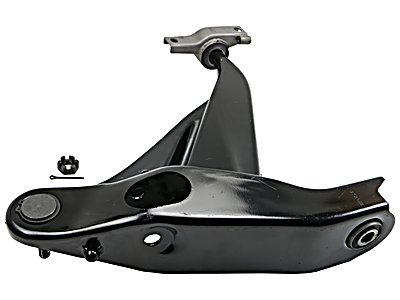
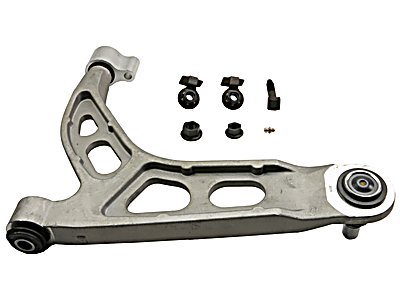
A large stamped steel arm under each front corner. Its front bushing pivots on the crossmember behind the rack, a rear leg runs back to a second bushing in a bracket under the frame, and the coilover and sway bar link bolt to it.
Signs of wear: Clunks over bumps or on braking, torn bushings, or a worn lower ball joint.
Tip: An arm with the ball joint and both bushings already fitted saves pressing them in. The same arms fit 2002 to 2005.
See all Front Control Arm parts for the 2002 Ford Explorer 4WD
Rubber bushings in the two eyes of the upper control arm.
Signs of wear: Clunks, steering that shifts under braking, or cracked rubber at the eyes.
Tip: Replace both eyes at once.
See all Front Control Arm Bushings parts for the 2002 Ford Explorer 4WD
Two bushings in the lower control arm: a forward one that pivots on the crossmember, and a rearward one in the bracket under the frame.
Signs of wear: Clunks over bumps or on braking, steering that pulls under braking, or cracked rubber.
Tip: The forward and rearward bushings are different parts, and the rearward ones are made left and right.
See all Front Control Arm Bushings parts for the 2002 Ford Explorer 4WD
An aluminum casting that joins the two ball joints, carries the hub and the caliper, and has the steering arm at the front for the outer tie rod.
Signs of wear: A bent knuckle after a curb strike, or worn ball joint tapers.
Tip: Swap the hub and caliper bracket over to the new knuckle.
A coilover: the shock with the coil spring around it, bolted at the bottom to the lower control arm and at the top to a tower on the frame. It passes up through the upper control arm.
Signs of wear: A bouncy or floating ride, nose dive under braking, leaks on the shock body, or clunks from the top.
Tip: A complete assembly comes with the spring and top mount fitted. The 2002 and 2003 trucks take a different assembly from 2004 and 2005.
See all Front Shock and Coil Spring Assembly parts for the 2002 Ford Explorer 4WD
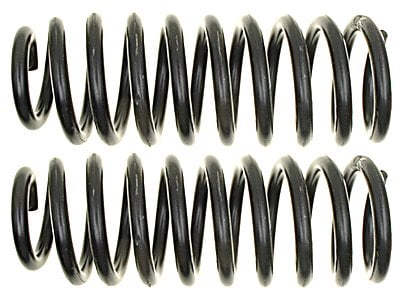
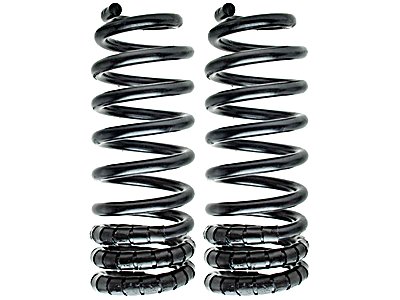
The coil spring that sits around the front shock between its two seats.
Signs of wear: A front end that sits low or leans, or a broken coil end.
Tip: The springs changed for 2004, so order by year.
See all Front Coil Springs parts for the 2002 Ford Explorer 4WD
The top mount of the front coilover, with three studs up through the frame tower.
Signs of wear: A knock from the top of the strut over bumps or when turning.
Tip: Fit a new mount when replacing the shock or spring on its own.
See all Front Strut Mount parts for the 2002 Ford Explorer 4WD
A straight steel bar across the truck behind the front axle, clamped to the frame in two bushings, with a link at each end down to the lower control arm.
Signs of wear: Body roll in turns or a knock from under the front.
Tip: The bar rarely fails; its links and bushings wear.
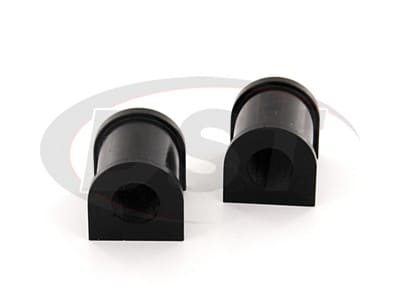
The two bushings that clamp the front sway bar to its brackets on the frame.
Signs of wear: Squeaks or clunks over bumps.
Tip: Match the bushing size to the bar: the 2002 to 2005 bar is 31 to 32 mm.
See all Front Sway Bar Bushings parts for the 2002 Ford Explorer 4WD
A bolt type link from each end of the front sway bar down to the lower control arm, with rubber bushings above and below each eye.
Signs of wear: A rattle over small bumps.
Tip: The same link kit fits both sides.

See all Front Sway Bar Endlinks parts for the 2002 Ford Explorer 4WD
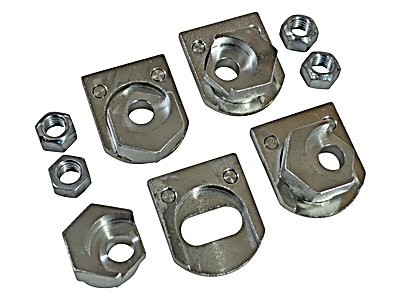
Cam bolts and kits for setting camber and caster at the front upper arms, and the rear camber kit.
Signs of wear: An alignment that cannot reach spec.
Tip: Fit them during an alignment.
See all Front End Alignment Kit parts for the 2002 Ford Explorer 4WD
The ball joint at the outer end of each tie rod. Its stud goes down through the steering arm at the front of the knuckle.
Signs of wear: Loose steering, uneven tire wear, or a clunk when turning.
Tip: The outer tie rod changed for 2004, so order by year. Count the turns when removing it and have the alignment set afterwards.
See all Front Outer Tie Rod End parts for the 2002 Ford Explorer 4WD
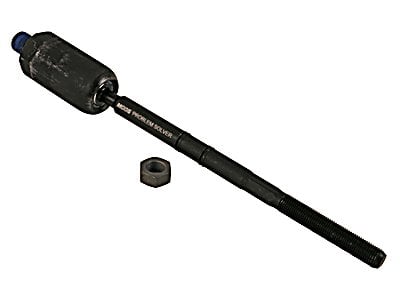
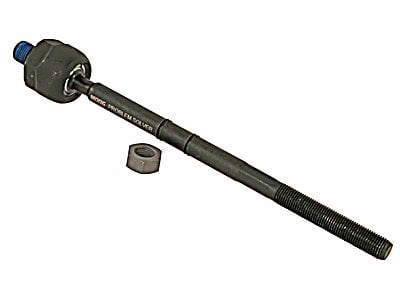
The ball joint that screws onto each end of the rack, inside the rack boot.
Signs of wear: Play in the steering or a clunk over bumps.
Tip: The 4.0L V6 and 4.6L V8 trucks take different inner tie rods.
See all Front Inner Tie Rod End parts for the 2002 Ford Explorer 4WD
The rubber boot over each end of the rack that keeps dirt off the inner tie rod.
Signs of wear: A torn boot, grease on the rack, or a dry inner tie rod.
Tip: Replace a torn boot before water ruins the rack.
See all Steering Rack Bellow parts for the 2002 Ford Explorer 4WD
The rack and pinion sits ahead of the front axle on the crossmember, with its pinion and valve on the driver side.
Signs of wear: Leaks, hard steering or play in the wheel.
Tip: The boots and tie rods are sold separately.
The rubber bushings where the rack bolts to the crossmember.
Signs of wear: Clunks when turning or loose feeling steering.
Tip: Listed for 2002 trucks only.
See all Steering Rack Bushings parts for the 2002 Ford Explorer 4WD
The shaft with a CV joint at each end that drives the front hub, from the differential on the driver side and from the tube end on the passenger side.
Signs of wear: Clicking when turning, or grease thrown from a torn boot.
Tip: Replace a torn boot early, before the joint wears.
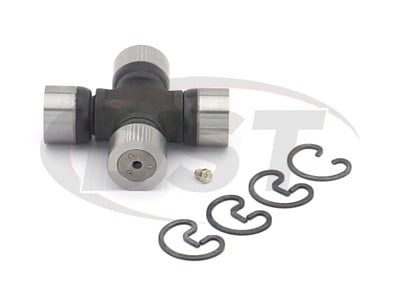
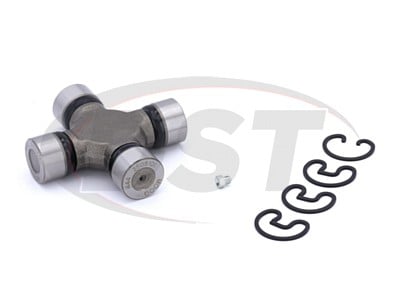
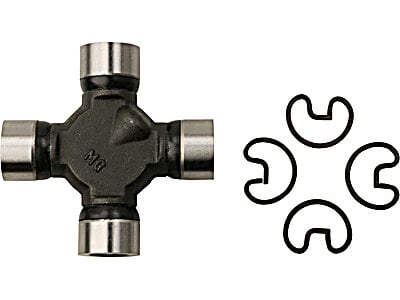
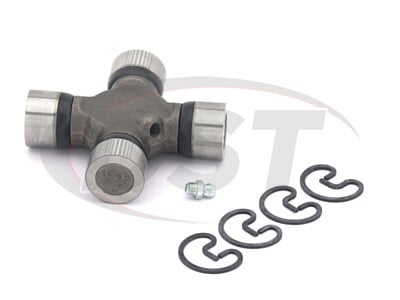
The U-joint at the front differential end of the front driveshaft.
Signs of wear: A clunk when 4WD engages, or a vibration that rises with speed.
Tip: Check the strap bolts when replacing the joint.
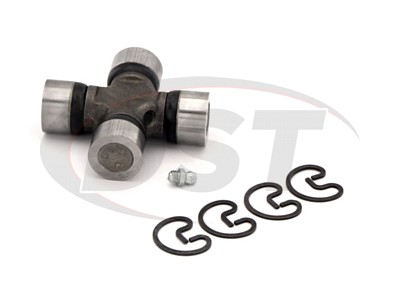
The U-joint at the front end of the rear driveshaft, behind the transfer case.
Signs of wear: A clunk on take off or a vibration at speed.
Tip: Mark the shaft before removing it so it goes back in phase.
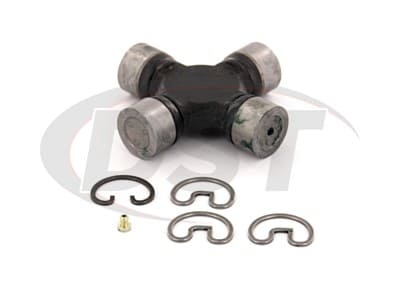
The U-joint at the rear differential end of the rear driveshaft.
Signs of wear: A clunk on take off or a vibration at speed.
Tip: The same joint fits both ends of the rear shaft.
The half shaft from the rear differential out to each rear hub. The independent rear needs a CV joint at each end.
Signs of wear: Clicking or a clunk on take off, or grease from a torn boot.
Tip: The left and right shafts are different parts.
See all CV Joint Parts - Rear parts for the 2002 Ford Explorer 4WD
An aluminum knuckle at each rear corner that holds the wheel bearing and hub. The upper ball joint, the lower control arm, the toe link and the caliper all attach to it.
Signs of wear: A hum from the rear that changes with speed, or play at the wheel.
Tip: The complete knuckle comes with the bearing and hub fitted. Trucks built before March 2002 take a different toe link stud.
See all Rear Wheel Bearing and Hub Assembly parts for the 2002 Ford Explorer 4WD
A bearing and hub kit that presses into the original rear knuckle.
Signs of wear: A hum from the rear that changes with speed.
Tip: Needs a press; the complete knuckle is the bolt on fix.

See all Wheel Bearing and Hub Rebuild Kit parts for the 2002 Ford Explorer 4WD
A large stamped arm under each rear half shaft. Two bushings pivot on the rear crossmember brackets, its outer end bolts through a bushing in the knuckle, and the coilover and sway bar link bolt to it.
Signs of wear: Clunks from the rear, or rear tire wear on the inside edge.
Tip: Its bushings are sold separately.
A forged aluminum arm over each rear half shaft, with two bushings on the crossmember bracket and the upper ball joint in its outer end.
Signs of wear: Clunks or a loose rear end, or a worn ball joint.
Tip: The arm comes with its bushings and ball joint fitted.
See all Rear Control Arm parts for the 2002 Ford Explorer 4WD
The ball joint in the outer end of the rear upper control arm. Its stud points down into the top of the rear knuckle.
Signs of wear: Clunks from the rear over bumps.
Tip: A greasable and a sealed joint are both listed.
See all Rear Upper Ball Joint parts for the 2002 Ford Explorer 4WD
The rubber bushings in the rear arms: forward and rearward in the lower arm, forward and rearward in the upper arm, and the one where the lower arm meets the knuckle.
Signs of wear: Clunks from the rear, or a rear end that steers itself over bumps.
Tip: Each position has its own bushing.
See all Rear Control Arm Bushings parts for the 2002 Ford Explorer 4WD
A thin adjustable link behind each rear half shaft, from the rear crossmember to a ball stud in the knuckle. It sets the rear toe.
Signs of wear: Rear tire wear on the edges, or a rear end that wanders.
Tip: Trucks built before March 4, 2002 have a 15 mm outer stud; later trucks have 17 mm. Have the alignment set afterwards.


See all Rear End Alignment Kit parts for the 2002 Ford Explorer 4WD
A coilover behind each rear half shaft, from the lower control arm up to a pocket under the frame.
Signs of wear: A bouncy rear, a rear that sags, or leaks on the shock body.
Tip: A complete assembly comes with the spring and top mount fitted.
See all Rear Shock and Coil Spring Assembly parts for the 2002 Ford Explorer 4WD
The coil spring around each rear shock.
Signs of wear: A rear that sits low, or a broken coil end.
Tip: Replace springs in pairs.
See all Rear Coil Springs parts for the 2002 Ford Explorer 4WD
The upper seat with its rubber insulator at the top of each rear coil.
Signs of wear: A squeak or clunk from the rear spring.
Tip: Fit new seats when the springs are changed.
See all Rear Coil Spring Isolator Pads parts for the 2002 Ford Explorer 4WD
The top mount of the rear coilover, with three studs up into the pocket under the frame.
Signs of wear: A knock from the rear over bumps.
Tip: Fit a new mount when replacing the shock or spring on its own.
See all Rear Strut Mount parts for the 2002 Ford Explorer 4WD
The rubber boot over the shock rod, with the bump stop inside it, inside the rear coil.
Signs of wear: A harsh bottoming hit, or a rusted shock rod.
Tip: Replace it with the shock.
See all Rear Shock Bellows Boot parts for the 2002 Ford Explorer 4WD
A thin steel bar ahead of the rear differential, clamped in two bushings, with a link at each end to the lower control arm.
Signs of wear: Body roll or a knock from the rear.
Tip: Its links and bushings wear first.
The two bushings that clamp the rear sway bar to its brackets.
Signs of wear: Squeaks or clunks from the rear.
Tip: Match the bushing size to the bar.
See all Rear Sway Bar Bushings parts for the 2002 Ford Explorer 4WD
A bolt type link from each end of the rear sway bar down to the lower control arm.
Signs of wear: A rattle from the rear over small bumps.
Tip: The same link kit fits both sides.

See all Rear Sway Bar Endlinks parts for the 2002 Ford Explorer 4WD
A sealed hub and bearing bolted to the knuckle with three bolts. The CV shaft splines through it and the five wheel studs sit in its flange.
Signs of wear: A hum or growl that changes with speed, or play at the wheel.
Tip: Replace the axle nut when fitting a new hub.

See all Front Wheel Bearing and Hub Assembly parts for the 2002 Ford Explorer 4WD
A vented rotor, 305 mm across, over the front hub.
Signs of wear: A pulsing pedal or a grooved face.
Tip: Fit new pads with new rotors.
See all Front Brake Rotor parts for the 2002 Ford Explorer 4WD
A floating caliper on a bracket behind the front axle.
Signs of wear: A pull to one side, a dragging brake or a leak at the piston.
Tip: The calipers are made left and right.
See all Front Brake Caliper parts for the 2002 Ford Explorer 4WD
The pads either side of the front rotor inside the caliper.
Signs of wear: Squealing, grinding, or a long pedal.
Tip: Replace both sides together.
See all Front Brake Pads parts for the 2002 Ford Explorer 4WD
A solid rotor over the rear hub; its hat is also the drum for the parking brake shoes.
Signs of wear: A pulsing pedal, or a parking brake that will not hold.
Tip: Check the parking brake shoes when the rotor is off.
See all Rear Brake Rotor parts for the 2002 Ford Explorer 4WD
A floating caliper on the rear knuckle.
Signs of wear: A dragging brake or a leak at the piston.
Tip: The calipers are made left and right.
See all Rear Brake Caliper parts for the 2002 Ford Explorer 4WD
The pads either side of the rear rotor inside the caliper.
Signs of wear: Squealing or grinding from the rear.
Tip: Replace both sides together.
See all Rear Brake Pads parts for the 2002 Ford Explorer 4WD
Small drum brake shoes inside the hat of each rear rotor, worked by the parking brake cable.
Signs of wear: A parking brake that will not hold the truck on a slope.
Tip: Adjust the shoes after fitting.
See all Parking Brake Shoes parts for the 2002 Ford Explorer 4WD
Rubber mounts between the body and the frame outriggers.
Signs of wear: Clunks from the body over bumps.
Tip: The kit listed is for the two door Explorer Sport; check the fit before ordering.
See all Body Mount Bushings Kit parts for the 2002 Ford Explorer 4WD
Lower ball joints, outer tie rod ends, front sway bar links and the lower control arm bushings wear first. Check them with the front wheels off the ground: a worn joint shows up as play you can feel when you rock the wheel.
Coil springs at all four corners. Each spring sits on its shock as one coilover unit. There are no torsion bars; those belong to the older Explorer Sport and Sport Trac.
No. The four door Explorer and Mountaineer from 2002 have independent rear suspension, with the differential bolted to crossmembers and a CV half shaft to each rear wheel. The two door Explorer Sport and the Sport Trac kept the older solid axle.
Yes for the arms, ball joints, tie rods, hubs, knuckles, rear links and coilovers of the same year. Spring rates and some catalog listings differ, so check the part fits your vehicle.
The 2002 and 2003 trucks. The 2004 and 2005 trucks use the same arms and rear suspension but different outer tie rod ends and front coilover assemblies. Trucks built before March 4, 2002 also take a different rear toe link stud.
Numbered diagrams to print or save for the shop. The numbers match the numbered parts on the interactive diagram.