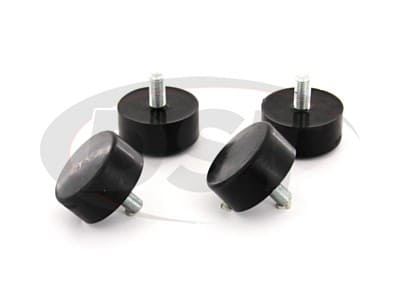
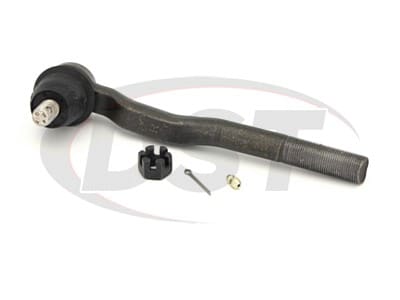
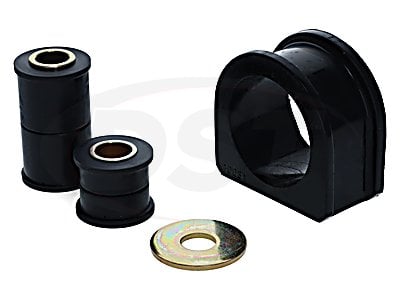
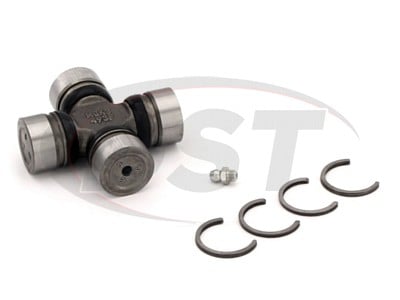
Front End Steering Rebuild Kits
Package kits bundle the wearing front end parts in one order.
This interactive diagram shows the front suspension, steering, driveline and rear suspension of the 2000 Toyota 4Runner 4x4. Hover over or tap any part to see what it does, the signs that it is worn, and the replacement parts we carry that fit, down to the side and position.
We carry parts for it Not stocked yet Hover or tap any part.
The third generation 4Runner 4x4 has double wishbone front suspension: a wide lower arm and a U shaped upper arm on each side, with a coil-over strut standing on the lower arm. The rack and pinion sits behind the front wheels, and CV shafts run out from a front differential bolted to the frame. The rear is a solid axle on coil springs, located by two long lower arms, two upper arms and a track bar, with a sway bar on the axle and drum brakes.
We carry replacement parts for 43 of the 48 components on this diagram, 145 parts in all. See every part for the 2000 Toyota 4Runner 4WD.
Package kits bundle the wearing front end parts in one order.
Front and rear dampers for the whole truck.
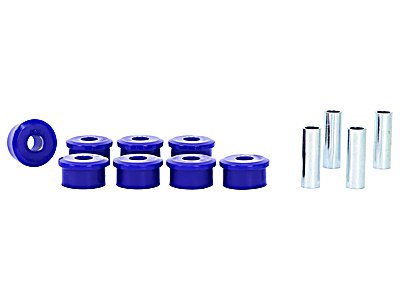
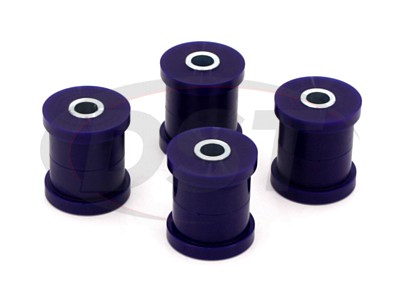
One kit with the suspension bushings for the whole truck.

Spacer lifts and leveling kits for the front coil-overs and the rear springs.
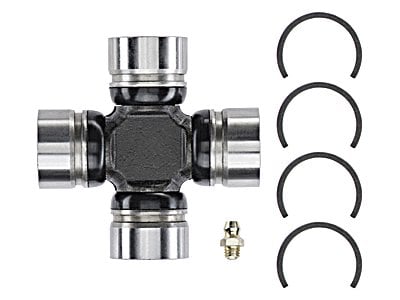
Every driveshaft U-joint on the truck in one package.

The upper ball joint presses into the tip of the upper control arm, held by a snap ring, and its stud points down into the top of the knuckle.
Signs of wear: Clunks over bumps, wandering steering, or play when the wheel is rocked top to bottom.
Tip: The same upper joint fits both sides and every year from 1996 to 2002.

See all Front Upper Ball Joint parts for the 2000 Toyota 4Runner 4WD
The lower ball joint bolts to the bottom of the knuckle with four bolts, and its stud points down through the tip of the lower control arm.
Signs of wear: Clunks over bumps, a loose front end, or play when the wheel is rocked with the truck on a jack.
Tip: The lower joints are made for each side, so order the driver and passenger joints by side.

See all Front Lower Ball Joint parts for the 2000 Toyota 4Runner 4WD
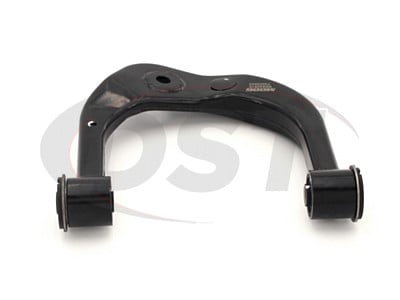
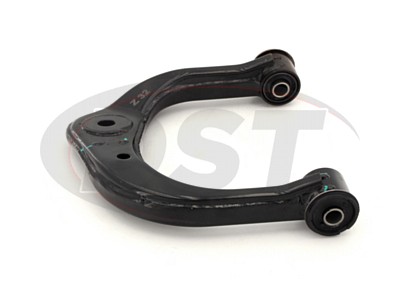
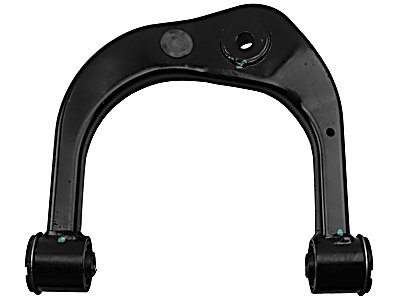
A U shaped pressed steel arm on two bushings at the frame; the coil-over passes up through the middle of the U.
Signs of wear: Clunks over bumps or uneven tire wear when its bushings wear.
Tip: A new arm comes with fresh bushings already pressed in.
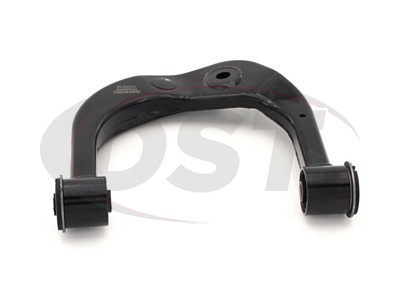
See all Front Control Arm parts for the 2000 Toyota 4Runner 4WD
A wide A shaped arm on two bushings at the front crossmember; it carries the coil-over on two tabs and the lower ball joint at its tip.
Signs of wear: Clunks, a pull under braking, or shifting alignment when its bushings wear.
Tip: The cam bolts at its pivots set caster and camber, so mark them before you remove the arm.
See all Front Control Arm parts for the 2000 Toyota 4Runner 4WD
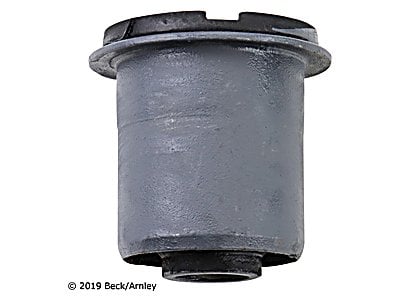
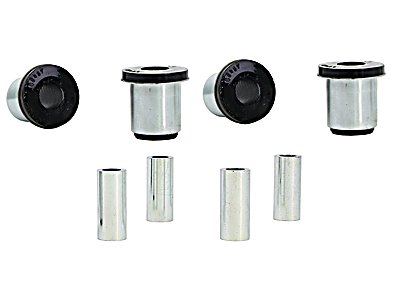
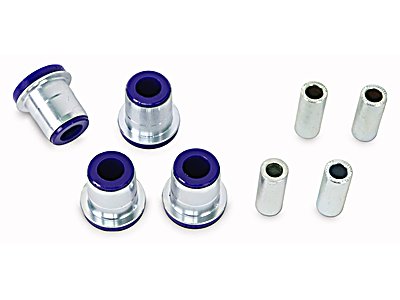
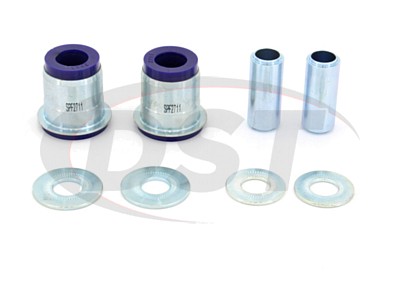
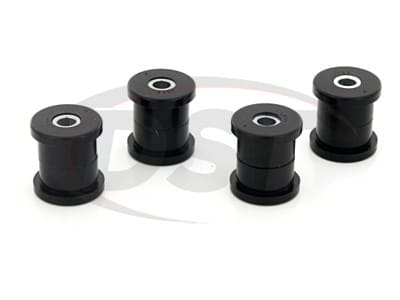
Rubber bushings in the two eyes of the upper arm.
Signs of wear: Clunks or a vague feel in the steering.
Tip: Polyurethane kits replace the rubber with firmer bushings.
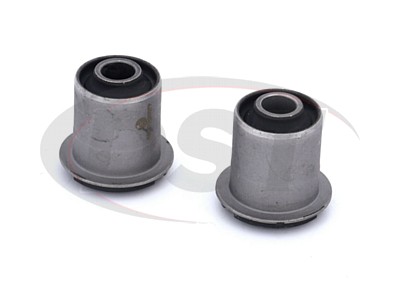
See all Front Control Arm Bushings parts for the 2000 Toyota 4Runner 4WD
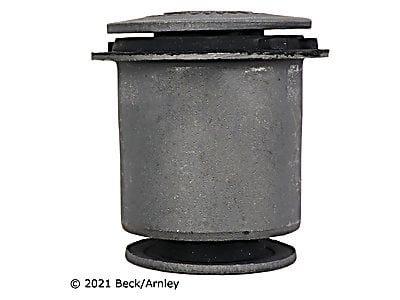
Large rubber bushings in the front and rear eyes of the lower arm, bolted to the crossmember.
Signs of wear: Clunks, wandering, or the arm moving fore and aft under braking.
Tip: The bushings press into the arm, or a new arm comes with them fitted.

See all Front Control Arm Bushings parts for the 2000 Toyota 4Runner 4WD
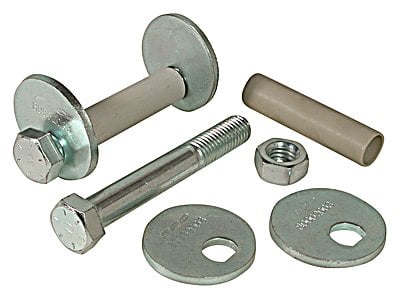
Eccentric cam bolts through the lower arm pivots; turning them moves the arm in or out to set caster and camber.
Signs of wear: An alignment that will not hold, or bolts seized in the brackets.
Tip: Fit new cams when a lift or worn bushings take the alignment out of range.
See all Front End Alignment Kit parts for the 2000 Toyota 4Runner 4WD
The cast knuckle carries the hub, the caliper and the steering arm, between the upper and lower ball joints.
Signs of wear: A bent knuckle shows as a steering wheel off centre that alignment cannot fix.
Tip: We list the joints, hub parts and brakes that bolt to it.
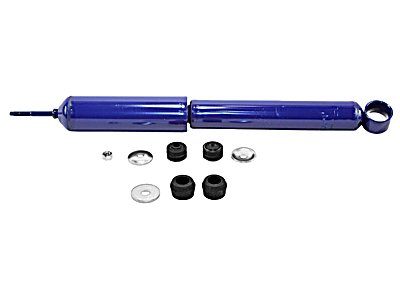
A gas damper with the coil spring around it, standing on two tabs of the lower arm and bolted up into the frame tower by three studs.
Signs of wear: A bouncy ride, nose dive under braking, or oil on the body.
Tip: Complete assemblies come with the spring and mount fitted, so no spring compressor is needed.
See all Front Shock and Coil Spring Assembly parts for the 2000 Toyota 4Runner 4WD
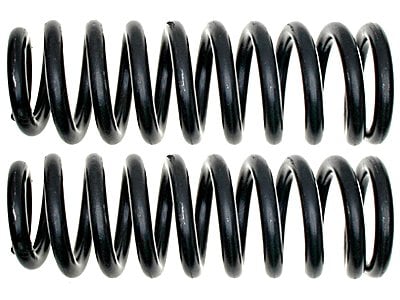
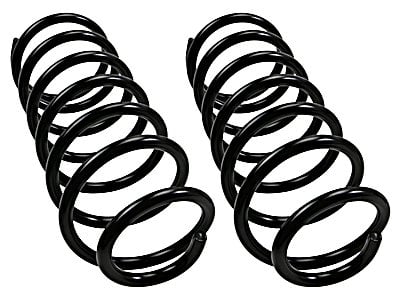
The coil spring rides on the strut between its lower seat and the upper mount.
Signs of wear: A front end sitting low, or a clunk from a broken coil.
Tip: Springs differ by engine and wheel size, so check the listing.
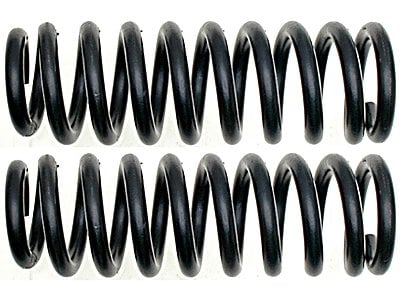
See all Front Coil Springs parts for the 2000 Toyota 4Runner 4WD
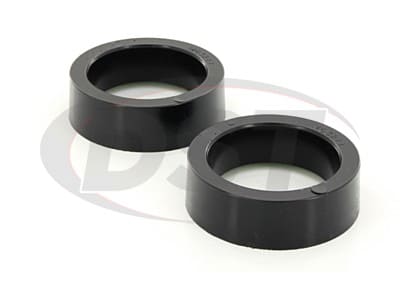
The top plate of the coil-over with its rubber and three studs into the frame tower. Lift spacers sit between this plate and the tower.
Signs of wear: A knock from the top of the strut over bumps.
Tip: Spacers that bolt on top of the mount raise the front without changing the spring.
See all Front Strut Mount parts for the 2000 Toyota 4Runner 4WD
The rubber bushing in the eye at the bottom of the coil-over, on the bolt through the lower arm tabs.
Signs of wear: A clunk from the bottom of the strut.
Tip: It presses into the eye of the strut.

See all Front Shock Bushings parts for the 2000 Toyota 4Runner 4WD
A rubber stop that cushions the upper arm at full bump, drawn on the frame tower above it.
Signs of wear: A hard bang over big bumps.
Tip: Lifted trucks often fit longer stops.

See all Front Bump Stops parts for the 2000 Toyota 4Runner 4WD
The front bar runs across behind the steering rack in two clamps on the frame, its ends bent forward to the links.
Signs of wear: Body roll in corners.
Tip: We list its bushings and links.
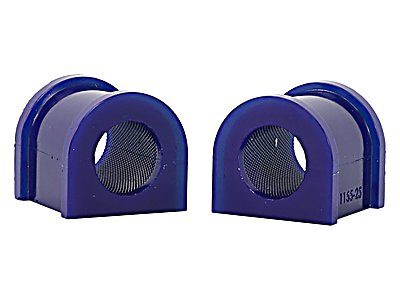
Rubber bushings that hold the bar in its clamps on the frame.
Signs of wear: Squeaks or a clunk over bumps.
Tip: The bar is 26 mm; check the size before you order.

See all Front Sway Bar Bushings parts for the 2000 Toyota 4Runner 4WD
A link from the bar end down to the lower arm beside the ball joint, rubber bushed at the bar.
Signs of wear: A rattle or knock from the front over bumps.
Tip: Replace both links together.
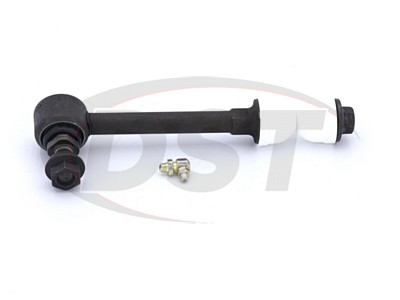
See all Front Sway Bar Endlinks parts for the 2000 Toyota 4Runner 4WD
The outer end threads onto the inner tie rod and its stud fits the steering arm at the rear of the knuckle.
Signs of wear: Loose steering, wander, or uneven tire wear.
Tip: Ends are made for each side. Count the threads when you take it off, then get an alignment.

See all Front Outer Tie Rod End parts for the 2000 Toyota 4Runner 4WD
The inner tie rod screws into the end of the rack under the boot.
Signs of wear: Play in the steering or a clunk when turning.
Tip: Check it whenever you replace a rack boot.
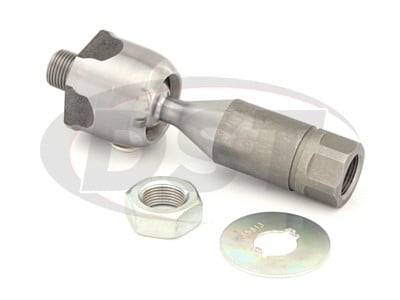
See all Front Inner Tie Rod End parts for the 2000 Toyota 4Runner 4WD
A ribbed rubber boot over each end of the rack, sealing the inner tie rod joint.
Signs of wear: A torn boot lets dirt and water into the rack.
Tip: Replace a torn boot before the rack is damaged.

See all Steering Rack Bellow parts for the 2000 Toyota 4Runner 4WD
The power rack and pinion sits behind the front wheels, ahead of the transmission, with the pinion on the driver side.
Signs of wear: Fluid leaks, a heavy spot in the steering, or knocks from the rack.
Tip: We list the mounts, boots and tie rods.
Rubber bushings in the two clamps that hold the rack to the crossmember.
Signs of wear: A clunk or slack feel when the steering wheel is turned back and forth.
Tip: Polyurethane bushings firm up the steering feel.
See all Steering Rack Bushings parts for the 2000 Toyota 4Runner 4WD
A CV shaft runs from the differential out through each knuckle to the hub.
Signs of wear: A click when turning in four wheel drive, or grease thrown from a torn boot.
Tip: The same shaft fits both sides.

See all CV Joint Parts - Front parts for the 2000 Toyota 4Runner 4WD
The U-joint where the front driveshaft meets the front differential.
Signs of wear: A clunk when four wheel drive engages, or a squeak at low speed.
Tip: The same joint fits every driveshaft end on this truck.
The U-joint at the transfer case end of the front driveshaft, on the driver side.
Signs of wear: A clunk when four wheel drive engages.
Tip: The same joint fits every driveshaft end on this truck.
The U-joint at the front of the one piece rear driveshaft, behind the transfer case.
Signs of wear: A clunk when shifting into gear, or vibration at speed.
Tip: The same joint fits every driveshaft end on this truck.
The U-joint where the rear driveshaft meets the axle pinion flange.
Signs of wear: A squeak at low speed or a clunk on take off.
Tip: The same joint fits every driveshaft end on this truck.
A long lower arm on each side from a bracket under the axle forward to the frame.
Signs of wear: Clunks on take off and braking, or a rear that steers itself.
Tip: The arm comes with new bushings; the same arm fits both sides.
See all Rear Control Arm parts for the 2000 Toyota 4Runner 4WD
A shorter upper arm on each side from the top of the axle forward to the frame.
Signs of wear: Clunks over bumps or axle wind up on take off.
Tip: The same arm fits both sides.
See all Rear Control Arm parts for the 2000 Toyota 4Runner 4WD
Rubber bushings in both eyes of each rear arm.
Signs of wear: Clunks from the rear on take off or over bumps.
Tip: Kits cover the upper and lower arms.

See all Rear Control Arm Bushings parts for the 2000 Toyota 4Runner 4WD
A bar across the truck behind the axle, from the axle to the frame on the other side, that keeps the axle centred.
Signs of wear: A rear end that shifts side to side.
Tip: We list its bushings.
Rubber bushings in both eyes of the track bar.
Signs of wear: A clunk from the rear in turns or over bumps.
Tip: Polyurethane bushings hold the axle more firmly.

See all Rear Track Arm Bar Bushings parts for the 2000 Toyota 4Runner 4WD
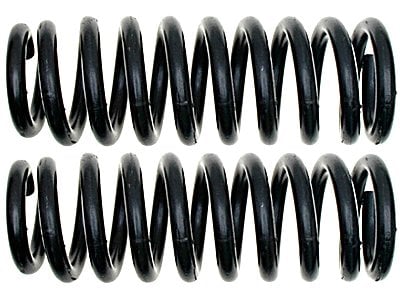
A coil spring on each side between a seat on the axle and a pocket under the frame rail.
Signs of wear: A sagging rear, or a lean to one side.
Tip: Springs differ by wheel size, so check the listing.
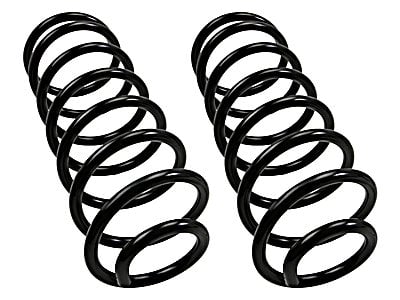
See all Rear Coil Springs parts for the 2000 Toyota 4Runner 4WD
A rubber pad between the top of each rear spring and the frame pocket. Thicker pads raise the rear.
Signs of wear: Creaks from the springs, or a rear that sits a little low.
Tip: Lift isolators raise the rear by their thickness.

See all Rear Coil Spring Isolator Pads parts for the 2000 Toyota 4Runner 4WD
A rubber stop bolted up into the spring pocket, inside the top of each coil spring, that cushions the axle at full bump.
Signs of wear: A hard bang from the rear over big bumps.
Tip: Energy's 8.9104 set replaces these stops.

See all Rear Bump Stops parts for the 2000 Toyota 4Runner 4WD
A shock on each side from a stud on the axle bracket up to the frame, its top stem held in rubber bushings.
Signs of wear: Bouncing, bottoming out, or oil on the body.
Tip: Replace them as a pair.

See all Rear Shock Absorber parts for the 2000 Toyota 4Runner 4WD
The rear bar is clamped to the axle and its ends run forward to links up to the frame.
Signs of wear: Body roll in corners.
Tip: We list its bushings and links.
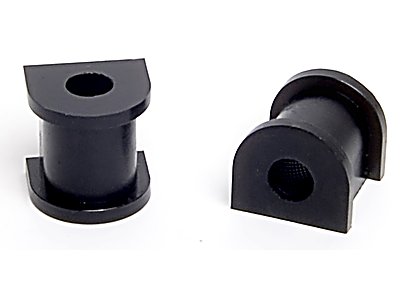
Rubber bushings that clamp the bar to the axle.
Signs of wear: Squeaks or clunks over bumps.
Tip: The rear bar is 19 mm.

See all Rear Sway Bar Bushings parts for the 2000 Toyota 4Runner 4WD
A link from the bar end up through a bracket on the frame, rubber bushed at the top.
Signs of wear: A rattle from the rear.
Tip: Replace both links together.

See all Rear Sway Bar Endlinks parts for the 2000 Toyota 4Runner 4WD
The hub turns in a sealed double row bearing pressed into the knuckle, held by the axle nut.
Signs of wear: A growl that changes in turns, or play in the wheel.
Tip: The bearing presses into the knuckle, so the knuckle comes off to replace it.
See all Front Wheel Bearing Assembly parts for the 2000 Toyota 4Runner 4WD
A vented rotor on the hub. Trucks with 16 in wheels have the 318 mm rotor; others the 297 mm rotor.
Signs of wear: Pulsing in the pedal or a shake when braking.
Tip: Check your wheel size before you order.
See all Front Brake Rotor parts for the 2000 Toyota 4Runner 4WD
A fixed caliper straddling the rotor ahead of the axle, with pistons on both sides of the disc.
Signs of wear: A pull when braking, a dragging brake, or fluid leaks.
Tip: Calipers are made for each side.
See all Front Brake Caliper parts for the 2000 Toyota 4Runner 4WD
Two pads in each caliper, one either side of the rotor.
Signs of wear: Squealing, grinding, or a long pedal.
Tip: Replace both sides at once.
See all Front Brake Pads parts for the 2000 Toyota 4Runner 4WD
A drum over the shoes at each rear wheel.
Signs of wear: Pulsing when braking, or a scored drum.
Tip: Measure the drum when you change the shoes.
See all Rear Brake Drum parts for the 2000 Toyota 4Runner 4WD
Two shoes inside each rear drum, pushed out by the wheel cylinder.
Signs of wear: A low parking brake or a long pedal.
Tip: 1996 to 2000 trucks use these shoes; 2001 and 2002 use another set.
See all Rear Brake Shoes parts for the 2000 Toyota 4Runner 4WD
The bearing on each rear axle shaft, in the end of the axle housing behind the brake.
Signs of wear: A hum from the rear that changes with speed, or gear oil on the brake.
Tip: 1996 to 2000 trucks use this bearing; 2001 and 2002 use another.
See all Rear Wheel Bearing Assembly parts for the 2000 Toyota 4Runner 4WD
Rubber cushions between the frame and the body, on outriggers along both rails.
Signs of wear: A clunk or shift from the body over bumps.
Tip: Replace them as a set; 1996 to 1999 and 2000 to 2002 trucks use different sets.

See all Body Mount Bushings parts for the 2000 Toyota 4Runner 4WD
Rubber mounts between the engine and the frame.
Signs of wear: A clunk on take off or extra vibration at idle.
Tip: Check both sides together.
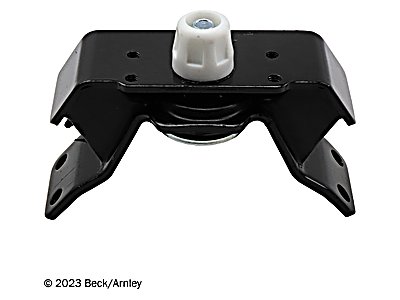
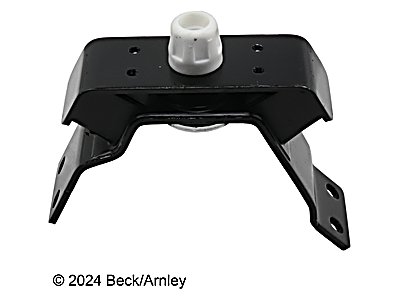
The rubber mount under the transmission on its crossmember.
Signs of wear: A clunk when shifting into gear.
Tip: Check it with the engine mounts.
See all Transmission Mount parts for the 2000 Toyota 4Runner 4WD
Lower ball joints, outer tie rod ends, sway bar links and the lower control arm bushings. Check them with the front wheels off the ground: a worn joint shows as play you can feel when you rock the wheel.
Each front corner has a coil-over: a gas damper with the coil spring around it, bolted to the lower arm at the bottom and to a tower on the frame at the top. Complete strut and spring assemblies swap in without a spring compressor.
It depends on the wheel size. Trucks with 16 in wheels use the 318 mm front rotor, and trucks with 15 in wheels the 297 mm rotor. The front springs are also listed by wheel size and engine.
Two long lower arms and two upper arms keep the axle square, and a track bar behind the axle keeps it centred under the body. Worn bushings in any of them cause clunks and a loose feel at the rear.
The 1996 to 2002 4Runner 4WD share this layout. The parts shown here are the ones listed for the 1998 to 2000 trucks; 1996 has build date splits, and 2001 to 2002 trucks use other rear brake shoes and axle bearings.
Numbered diagrams to print or save for the shop. The numbers match the numbered parts on the interactive diagram.