


Complete Front Coil Over Assemblies
A front damper with its spring, mount and boot already assembled, so no spring compressor is needed.
This interactive diagram shows the front suspension, steering, axles and rear suspension of the 2004 Acura TSX. Hover over or tap any part to see what it does, the signs that it is worn, and the replacement parts we carry that fit your car, down to the side.
We carry parts for it Not stocked yet Hover or tap any part.
The 2004 to 2008 TSX uses double wishbones at both ends. Up front, a cast lower arm and a stamped upper arm hold a tall knuckle, and the coil over damper stands on a fork that straddles the axle shaft. The rear has five links per side: a trailing link, two lower arms, an upper arm with a ball joint and an upper rear arm, with the coil over damper on the knuckle. Every TSX of this generation has the 2.4 liter four cylinder, 17 inch wheels and disc brakes at all four corners.
We carry replacement parts for 42 of the 49 components on this diagram, 167 parts in all. See every part for the 2004 Acura TSX.
A front damper with its spring, mount and boot already assembled, so no spring compressor is needed.
A rear damper with its spring and mount already assembled.
Front and rear dampers for the whole car in one order.
The wearing front end parts in one order.

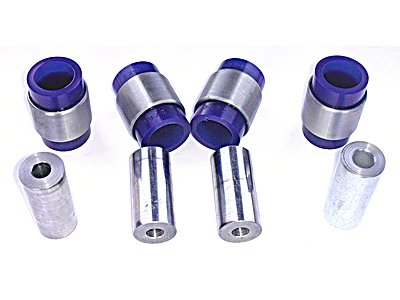
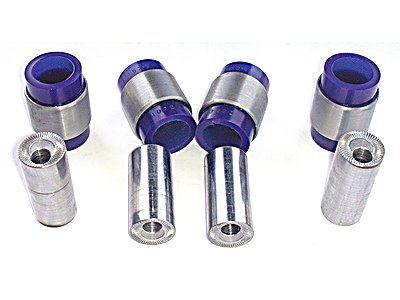
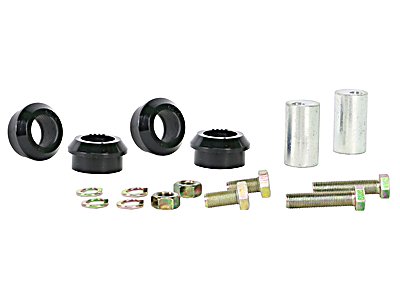
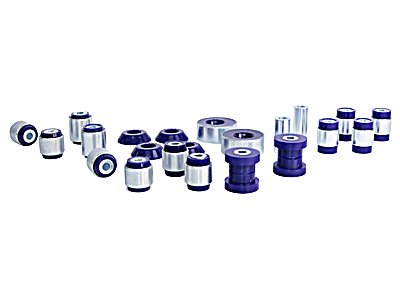
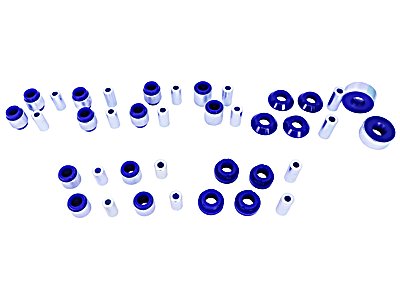
One kit with the suspension bushings for the car or the front end.
All five adjustable rear arms for one car, for full camber, toe and setback adjustment.
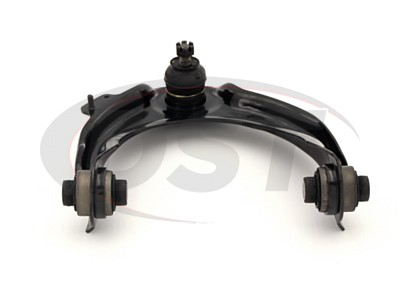
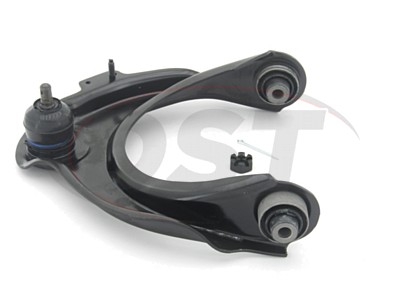
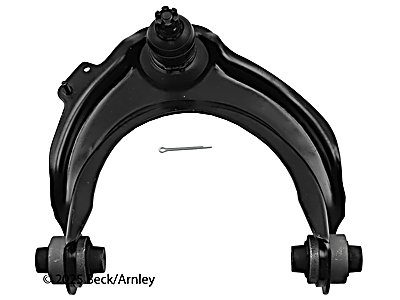
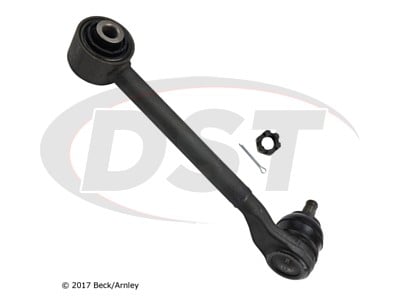
A stamped A shaped arm high in the wheel well, above the tire. Its two bushings bolt to the inner wheel house and its ball joint sits on top of the tall knuckle upright. The coil over damper passes up between its legs.
Signs of wear: Clunks over bumps, uneven inner tire wear, or a torn ball joint boot.
Tip: Left and right arms are different parts, and most come with the ball joint and bushings already fitted.

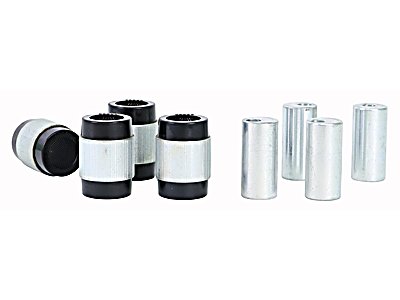
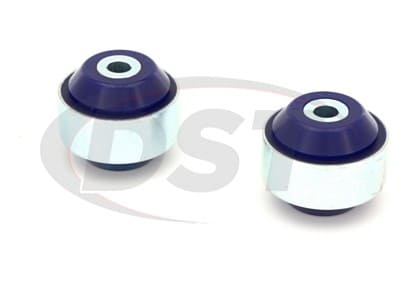
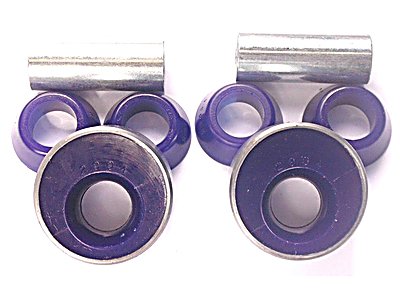
Two rubber bushings at the inner ends of the upper arm, on bolts that run front to back through brackets on the wheel house.
Signs of wear: A knock over bumps from high in the wheel well, or rubber that is cracked or pushed out.
Tip: Offset upper bushings are made to add a little camber or caster on lowered cars.
See all Front Control Arm Bushings parts for the 2004 Acura TSX
The upper ball joint sits in the tip of the upper arm. Its stud points down into the top of the knuckle upright.
Signs of wear: A clunk over bumps, play when the wheel is rocked top to bottom, or a split boot.
Tip: Adjustable upper joints give a degree or more of camber change.
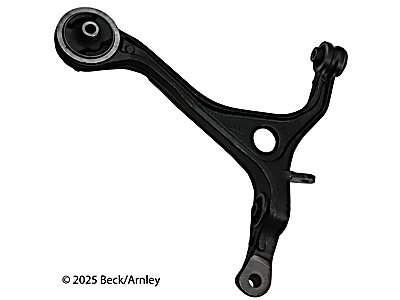
A cast A shaped arm. Its outer end carries the lower ball joint stud, a front leg pivots on a bushing on the subframe, and a rear leg ends in the large compliance bushing. The damper fork and the sway bar link bolt to it beside the ball joint.
Signs of wear: Clunks over bumps or when braking, a vague steering feel, or cracked bushings.
Tip: Left and right arms are different parts. Replacement arms usually come with new bushings.

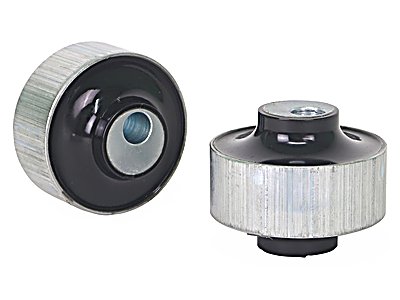
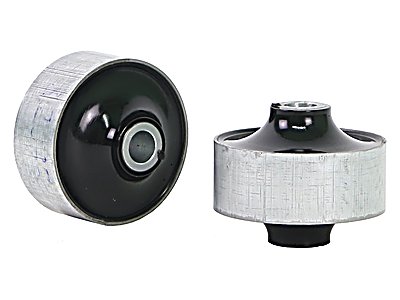
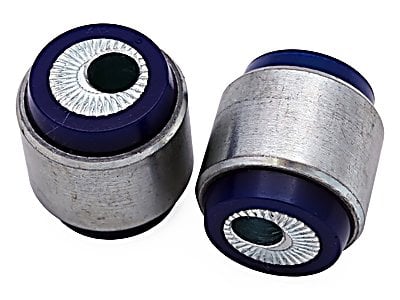
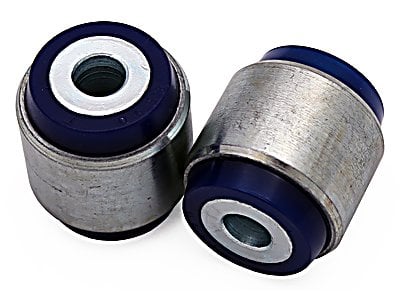
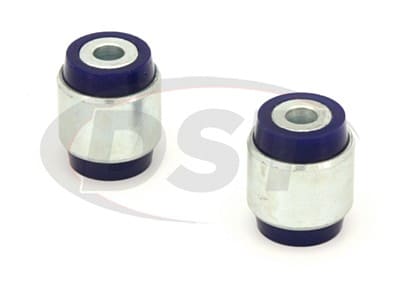
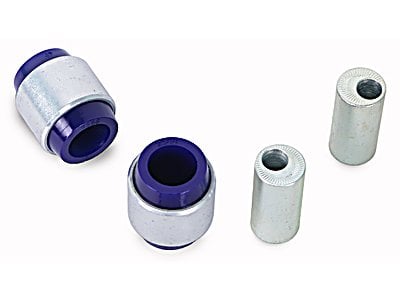
The small bushing in the front leg of the lower arm, on a bolt that runs front to back through the subframe.
Signs of wear: A clunk when pulling away or braking, or rubber that is torn.
Tip: Offset front bushings are made to add caster.
See all Front Control Arm Bushings parts for the 2004 Acura TSX
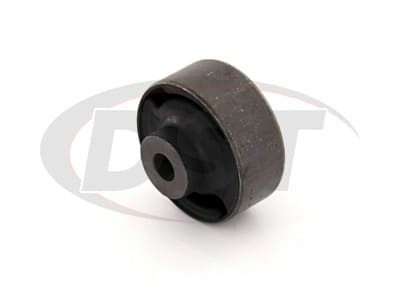
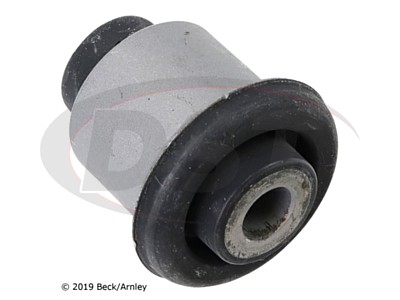
The large rear bushing of the lower arm, called the compliance bushing. It lets the wheel move back slightly over bumps to soften the ride.
Signs of wear: Shimmy or a shake under braking, a clunk over bumps, or rubber that has split and leaked its fluid.
Tip: This is the most common wear item on the front of this car.
See all Front Control Arm Bushings parts for the 2004 Acura TSX
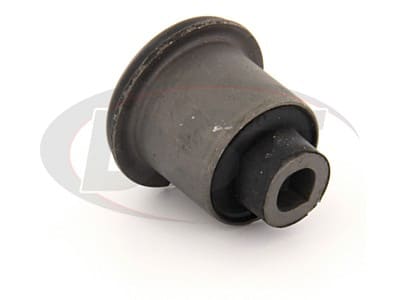
The bushing pressed into the lower arm beside the ball joint. The bottom of the damper fork bolts through it.
Signs of wear: A clunk from low in the corner over bumps, or a fork that moves on its bolt.
Tip: Press the bushing out of the arm with a bushing tool; the arm can stay on the car.
See all Front Control Arm Bushings parts for the 2004 Acura TSX
A forged fork that straddles the CV axle. Its top clamps the foot of the coil over damper and its bottom bolts to the lower arm.
Signs of wear: A bent fork after a curb strike pulls the wheel out of line.
Tip: The fork is reused when the damper is replaced.
The damper stands on the fork and runs up between the upper arm legs to the tower. The coil spring sits on it, so it works like a strut but the arms, not the damper, locate the wheel.
Signs of wear: Bouncing after bumps, nose dive under braking, or fluid on the body.
Tip: Complete assemblies with the spring and mount fitted need no spring compressor.
The front coil spring sits on a seat on the damper body and pushes up against the top mount, with rubber insulators at each end.
Signs of wear: A corner sitting low, a broken coil end, or a clunk when turning at low speed.
Tip: Replace springs in pairs. Complete front assemblies come with the spring already fitted.
The rubber mount at the top of the damper. Three studs hold it to the tower.
Signs of wear: Knocks from the top of the damper over bumps.
Tip: Often replaced with the damper, since the damper must come out either way.

A rubber bellows over the damper rod with the bump stop inside. The spring hides it in the assembled view; the exploded view shows it.
Signs of wear: A torn boot, a scored rod, or a hard bang over big bumps.
Tip: Fit a new boot whenever the damper is replaced.
See all Front Shock Bellows Boot Kit parts for the 2004 Acura TSX
The knuckle carries the hub bearing and the caliper. A tall upright rises from it over the tire to the upper ball joint, the lower ball joint is pressed into its bottom, and its rear arm takes the tie rod end.
Signs of wear: Knuckles rarely wear out. A bent one after a curb strike shows as a pull that an alignment will not fix.
Tip: The knuckle itself is a dealer part; the bearing and the ball joints are sold on their own.
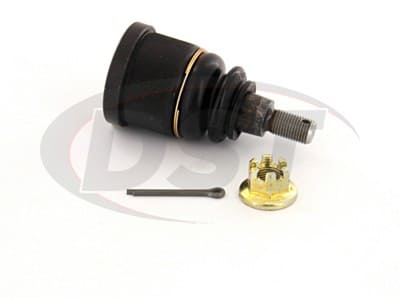
The lower ball joint is pressed into the bottom of the knuckle. Its stud points down through the end of the lower arm and is held by a castle nut.
Signs of wear: A clunk over bumps or play when the wheel is rocked top to bottom.
Tip: It presses out of the knuckle with a ball joint press, or comes fitted in a complete knuckle.
The front bar runs across behind the steering rack, held to the subframe by two bushings. Short links join its ends to the lower arms. Bushings are listed for both 24 mm and 25.4 mm bars.
Signs of wear: More body roll than before, usually from worn links or bushings rather than the bar.
Tip: Check the bar diameter before ordering bushings.
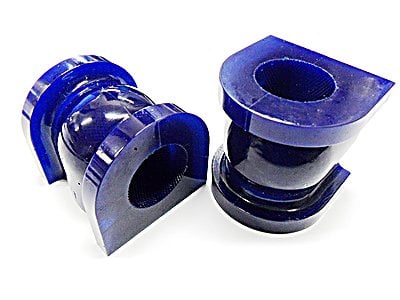
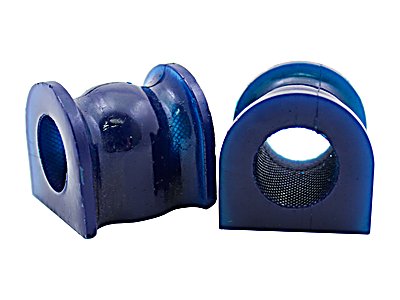
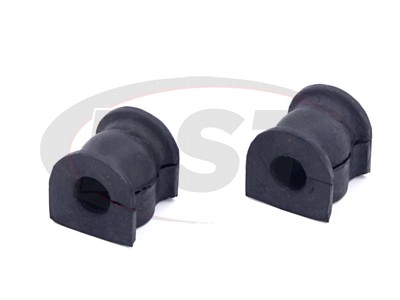
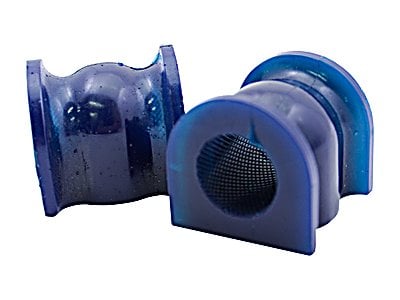
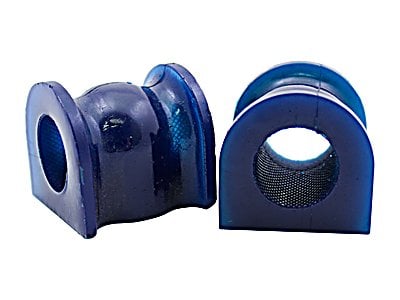
Two rubber bushings in steel clamps hold the front bar to the subframe.
Signs of wear: Squeaks or knocks over speed bumps.
Tip: Bushings fit one bar diameter only.

See all Front Sway Bar Bushings parts for the 2004 Acura TSX
A short link, about 80 mm, with a ball stud at each end. The top bolts to a tab on the lower arm behind the damper fork and the bottom to the bar end.
Signs of wear: A rattle or knock over small bumps.
Tip: Left and right links are different parts on most listings. Check the fit notes.

See all Front Sway Bar Endlinks parts for the 2004 Acura TSX
Rubber mounts where the front subframe bolts to the body, behind the bumper and behind the lower arms. The subframe itself is shown with the frame and wheels.
Signs of wear: A clunk on hard acceleration or braking, or a subframe that has shifted.
Tip: Polyurethane mounts firm up the front end but pass more noise.

See all Front Subframe Bushings parts for the 2004 Acura TSX
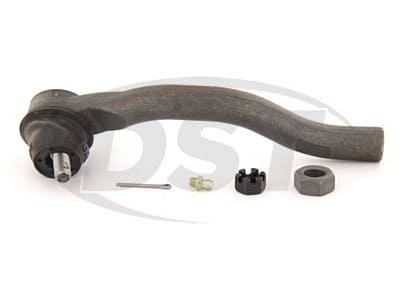
The outer tie rod end threads onto the inner rod and its stud points up through the steering arm at the rear of the knuckle.
Signs of wear: Loose steering, wander, or uneven tire wear.
Tip: Count the turns when you remove it and get an alignment afterward.

See all Front Outer Tie Rod End parts for the 2004 Acura TSX
The inner tie rod screws into the end of the steering rack inside the rack boot.
Signs of wear: A clunk felt in the wheel or play at the rack end with the boot pulled back.
Tip: Listings differ by trim; check the fit notes.
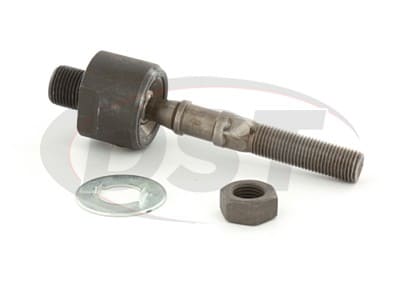

See all Front Inner Tie Rod End parts for the 2004 Acura TSX
Rubber boots seal each end of the rack around the inner tie rods.
Signs of wear: A split boot lets dirt into the rack.
Tip: Replace a torn boot before the inner tie rod wears.
The power rack and pinion sits behind the front axle on the subframe, with the pinion on the driver side.
Signs of wear: Fluid leaks, a heavy wheel, or a knock over bumps.
Tip: Replace the rack boots whenever they split.
Two clamps with rubber bushings hold the rack to the subframe.
Signs of wear: A clunk felt through the wheel when turning, or a rack that shifts.
Tip: Firmer bushings sharpen the steering feel.
The CV axles run from the transaxle to the hubs. The passenger side runs through an intermediate shaft with a carrier bearing behind the engine.
Signs of wear: A click when turning, grease thrown around the wheel, or a vibration under power.
Tip: Axles differ by transmission and engine; check the fit notes.
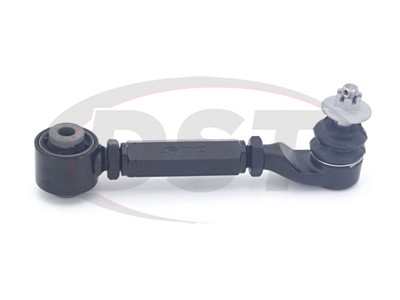
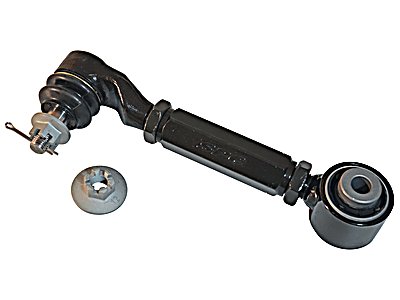
The upper arm runs out from the body to a ball joint on top of the rear knuckle. It sets the rear camber.
Signs of wear: Inner edge wear on the rear tires, or a knock from the rear over bumps.
Tip: Adjustable arms are made for lowered cars that need camber correction.
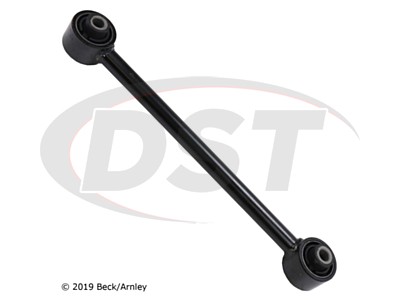
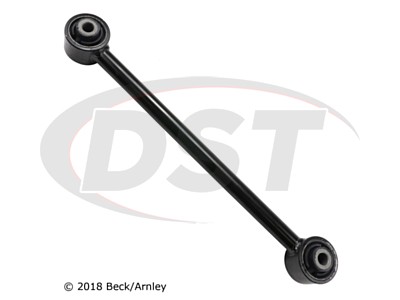
A long link behind the upper arm, from the body to the top of the knuckle. With the trailing link it holds the wheel's fore and aft position.
Signs of wear: Worn bushings show as a knock over bumps.
Tip: Adjustable versions set the rear wheel's setback.
A straight arm from the front cross member of the rear subframe out to the knuckle below the hub.
Signs of wear: Clunks from the rear, or uneven rear tire wear.
Tip: Arms sold as a pair or set cover this and the toe arm.
The rearmost lower arm, from the rear cross member of the subframe to the back of the knuckle. A cam bolt at its inner end sets the rear toe.
Signs of wear: Rear tires wearing on one edge, or a rear end that steps out over bumps.
Tip: The inner bolt often seizes; plan to cut it out and fit a new cam bolt.
A long link that runs forward and inboard from the front of the knuckle to a bracket on the body. The parking brake cable clips to it.
Signs of wear: A clunk on braking or pulling away, or a worn front bushing.
Tip: Left and right links are different parts.
The bushing in the front end of the trailing link, where it bolts to the body bracket.
Signs of wear: A clunk from the rear when braking.
Tip: It presses out of the link.
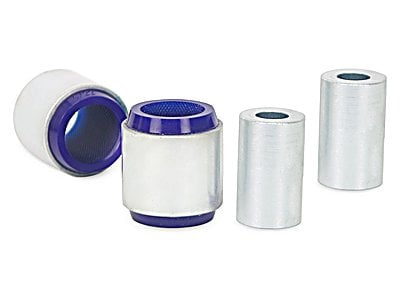
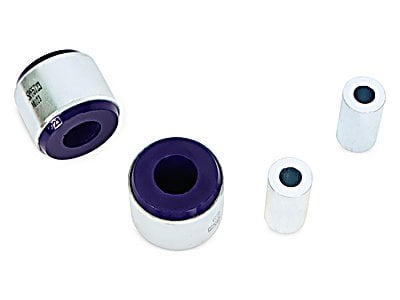
The rubber bushings in the ends of the rear arms, at the subframe, the body and the knuckle.
Signs of wear: Knocks from the rear and rear tire wear.
Tip: Offset bushings are made to adjust camber or toe.
See all Rear Control Arm Bushings parts for the 2004 Acura TSX
The rear knuckle holds the hub and the brake. All five rear arms, the damper and the sway bar link bracket attach to it.
Signs of wear: Rarely replaced unless bent in a crash.
The rear damper carries the coil spring. Its lower eye bolts to the knuckle and its top bolts up into the body behind the rear seat.
Signs of wear: Bouncing over bumps, a rear end that floats, or fluid on the body.
Tip: Complete assemblies with the spring and mount fitted need no spring compressor.
The rear spring sits on the damper between a lower seat and the top mount, with rubber insulators.
Signs of wear: A sagging rear corner or a broken coil.
Tip: Replace in pairs.
The rubber mount at the top of the rear damper.
Signs of wear: A knock from the rear shelf over bumps.
Tip: Mount kits include the bushings and washers.
The bellows and bump stop on the rear damper rod.
Signs of wear: A torn boot or a hard bang over big bumps.
See all Rear Shock Bellows Boot parts for the 2004 Acura TSX
The rear bar runs across the rear cross member of the subframe and its ends reach forward to links on the knuckles. It is a 15 mm solid bar.
Signs of wear: More rear body roll than before, usually from worn links or bushings.
Tip: Larger aftermarket bars bolt to the same mounts.
Two bushings in clamps hold the rear bar to the subframe.
Signs of wear: Squeaks or knocks from the rear.
Tip: Bushings fit one bar diameter only.

A link from the bar end up to a bracket bolted to the knuckle.
Signs of wear: A rattle from the rear over small bumps.
Tip: Left and right links are listed separately.

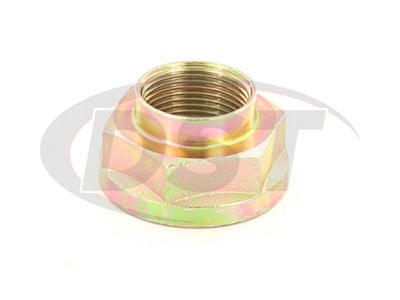
The bearing is pressed into the knuckle and the hub is pressed through it. The CV axle splines into the hub and an axle nut holds it.
Signs of wear: A hum or growl that changes with speed and gets louder in turns.
Tip: Pressing a bearing needs a press.
See all Front Wheel Bearing Assembly parts for the 2004 Acura TSX
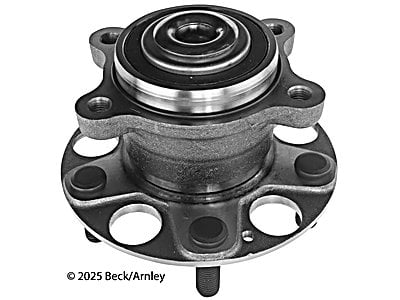
A bolt on hub and bearing unit on the rear knuckle, held by an axle nut.
Signs of wear: A hum from the rear that changes with speed.
Tip: The hub, bearing and wheel studs come as one unit.
See all Rear Wheel Bearing and Hub Assembly parts for the 2004 Acura TSX
Vented front rotors, 300 mm across and 28 mm thick.
Signs of wear: Pulsing in the pedal, grooves, or a lip at the edge.
Tip: Replace rotors in pairs, with new pads.
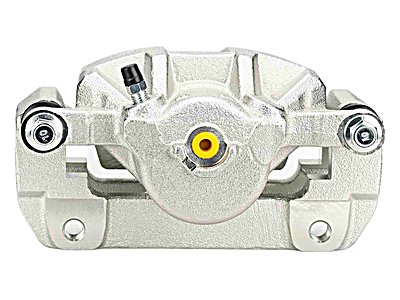
A single piston floating caliper ahead of the axle, on a bracket bolted to the knuckle.
Signs of wear: Pulling under braking, a dragging wheel, or a fluid leak.
Tip: Calipers are listed by side and by rotor size.
The pads sit in the caliper bracket either side of the rotor.
Signs of wear: Squealing, grinding, or a long pedal.
Tip: Replace pads on both front wheels together.
Solid rear rotors, 260 mm across. The parking brake works on the rear calipers.
Signs of wear: Pulsing or noise from the rear.
Tip: Replace rotors in pairs, with new pads.
The rear caliper with the parking brake built in.
Signs of wear: A dragging rear wheel or a weak parking brake.
The rear pads in the rear caliper.
Signs of wear: Squealing or grinding from the rear.
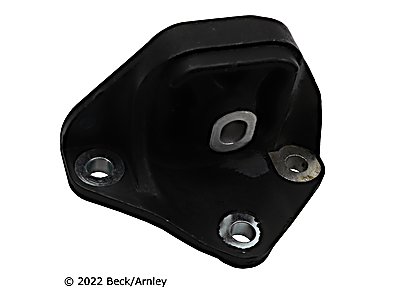
Rubber mounts hold the engine to the body and subframe. The passenger side mount sits on the frame rail.
Signs of wear: A thud when shifting, more vibration at idle, or an engine that rocks.
Tip: Replace a collapsed mount before it strains the others.

The transmission side mount sits on the driver frame rail; other mounts hold the front and rear of the transaxle.
Signs of wear: A clunk when shifting into gear or pulling away.
Tip: Most mounts differ between the automatic and the 6 speed manual. Check the fit notes.
The large rear bushing of the front lower arm, called the compliance bushing, is the usual one. It splits and causes a shake under braking. Front upper ball joints, front sway bar links and the rear lower arm bushings are next.
Yes, at both ends. The front upper arm sits high above the tire on top of a tall knuckle upright, and the rear has an upper arm with a ball joint plus an upper rear arm.
Yes. The arms, ball joints, links, dampers, sway bars and brakes are the same on both. Only some engine and transmission mounts differ, so check the fit notes on those.
The front upper and lower arms, ball joints and tie rod ends carry the same part numbers as the 2003 to 2007 Accord. The struts, springs and some rear links are TSX parts, so check the fit notes on each part.
Numbered diagrams to print or save for the shop. The numbers match the numbered parts on the interactive diagram.