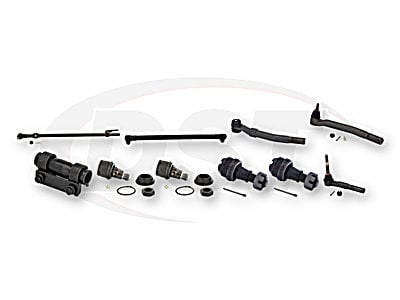
Front End Steering Rebuild Kits
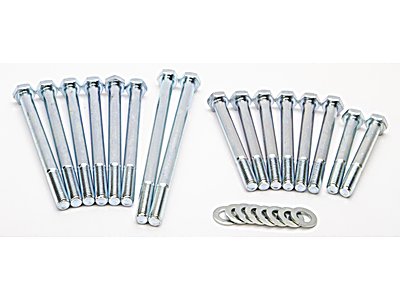
Package kits bundle the wearing front end parts for this truck in one order, usually for less than buying them one by one.
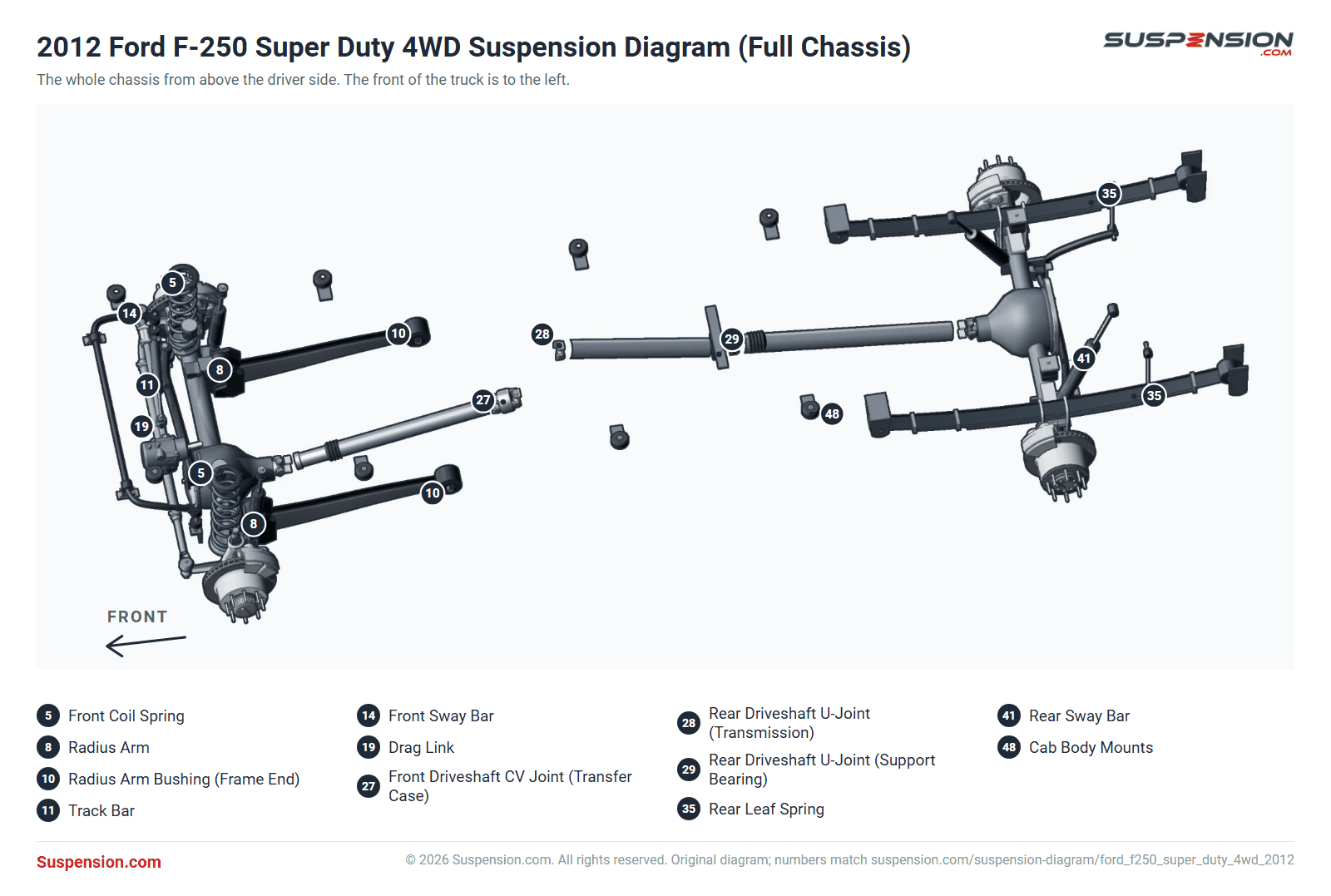
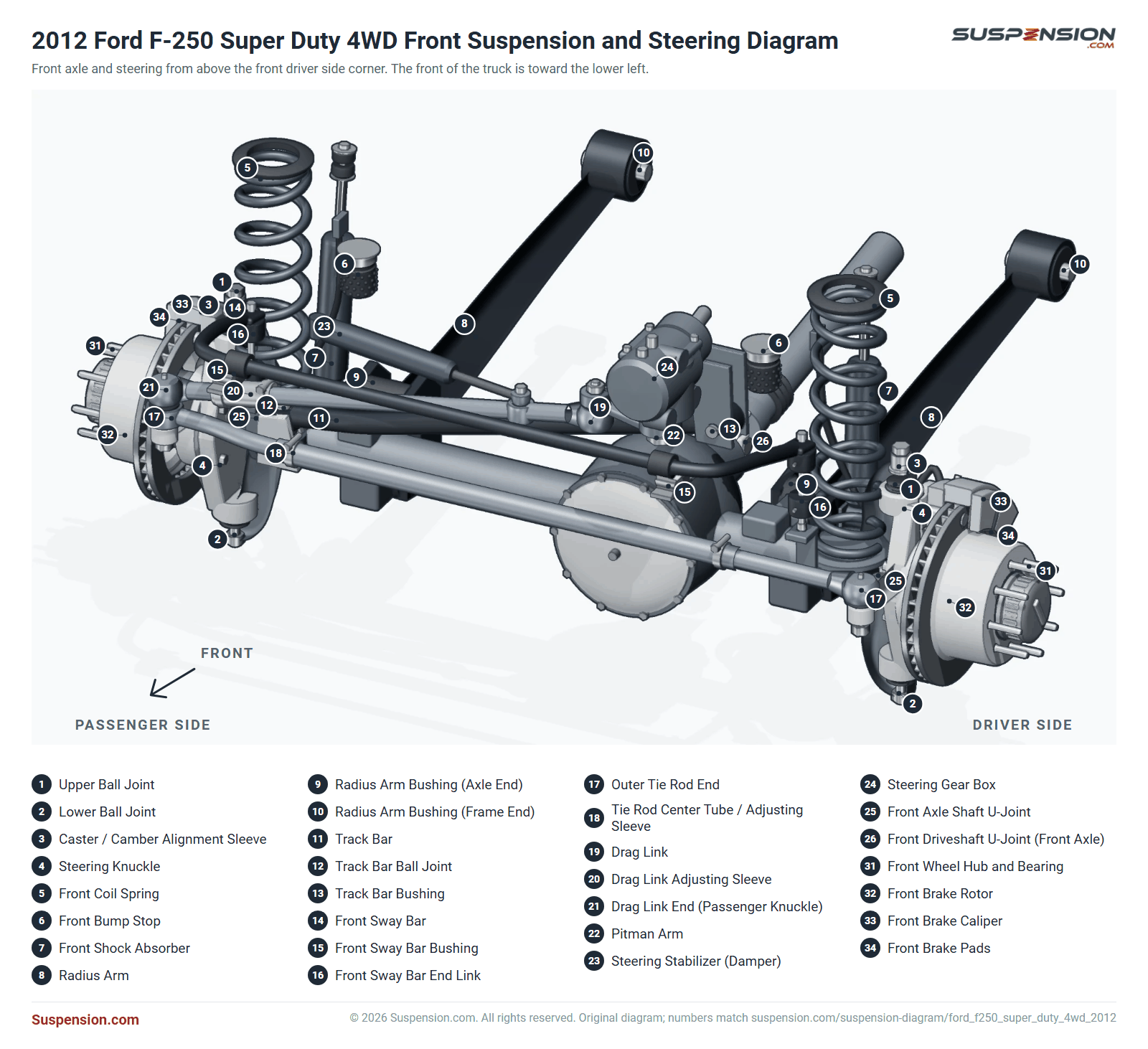
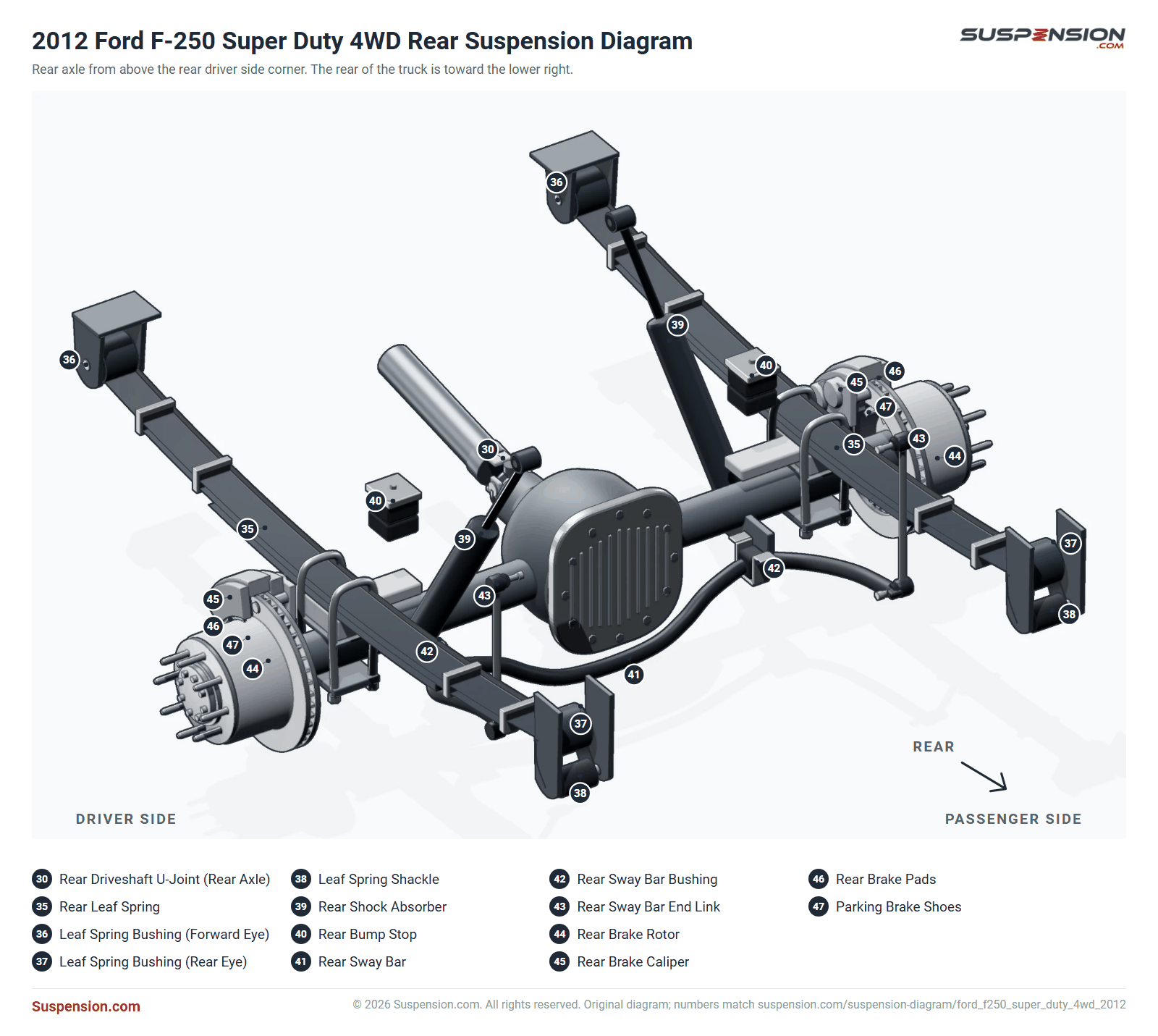
This interactive diagram shows the front suspension, steering linkage, driveline and rear suspension of the 2012 Ford F-250 Super Duty 4x4. Hover over or tap any part to see what it does, the signs that it is worn, and the replacement parts we carry that fit your truck, down to the side and position.
We carry parts for it Not stocked yet Hover or tap any part.
The 2011 to 2016 Super Duty 4WD uses a solid Dana 60 front axle on coil springs. Two radius arms locate the axle front to back and a track bar keeps it centered side to side. The steering is a pitman arm driving a three piece drag link to the passenger knuckle, with a tie rod tying both knuckles together and a steering damper. At the rear, the axle rides on leaf springs with shackles.
We carry replacement parts for 40 of the 48 components on this diagram, 151 parts in all. See every part for the 2012 Ford F-250 Super Duty 4WD.
Package kits bundle the wearing front end parts for this truck in one order, usually for less than buying them one by one.
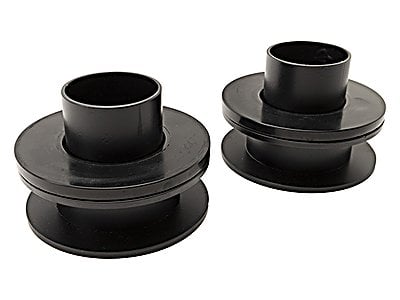
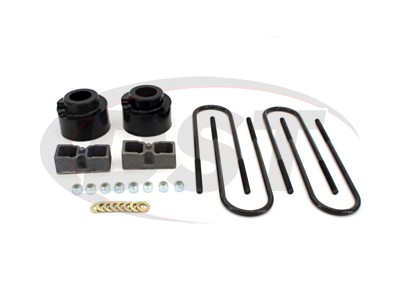
Leveling kits raise the front to match the rear. Lift kits raise both ends.
Front and rear shock sets for the whole truck.
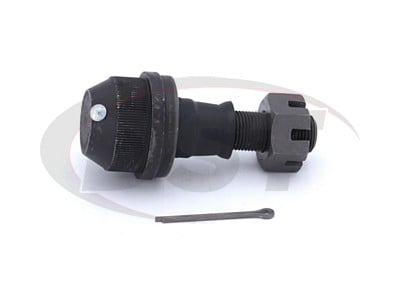
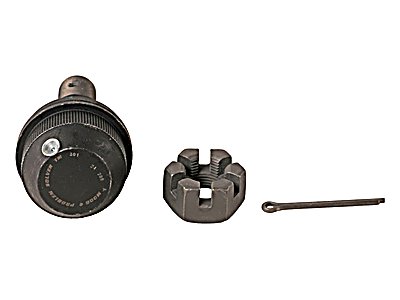
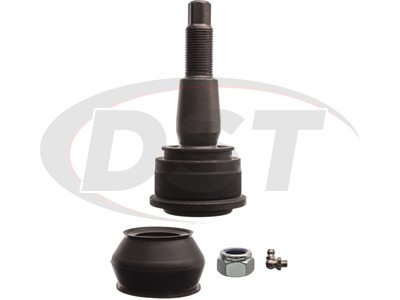
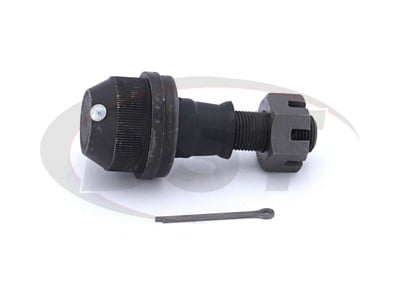
The upper ball joint is the top pivot between the steering knuckle and the axle yoke. It carries load and lets the knuckle turn when you steer.
Signs of wear: Clunking over bumps, wandering steering, uneven inner or outer tire wear, or play when the wheel is rocked top to bottom.
Tip: Replace upper and lower ball joints together on both sides, then get an alignment.
See all Front Upper Ball Joint parts for the 2012 Ford F-250 Super Duty 4WD
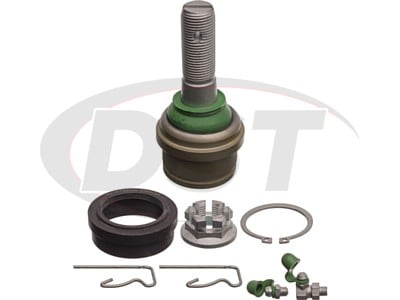
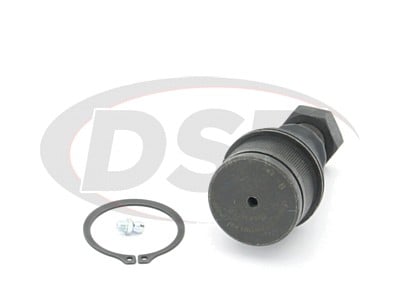
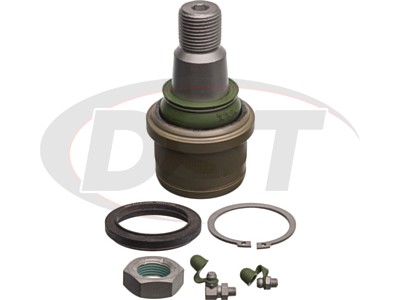
The lower ball joint is the bottom pivot of the steering knuckle. On a Super Duty it takes most of the vertical load, so it usually wears first.
Signs of wear: Clunks when turning or braking, a loose feel at highway speed, and death wobble that gets worse over time.
Tip: Oversized ball joints are available when the axle yoke bore is worn.
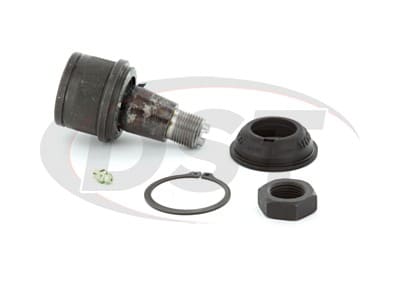
See all Front Lower Ball Joint parts for the 2012 Ford F-250 Super Duty 4WD
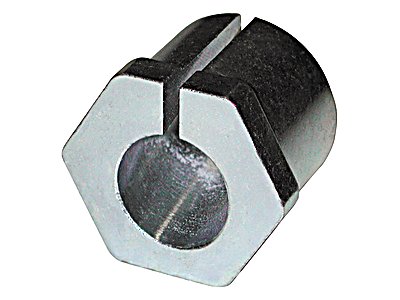
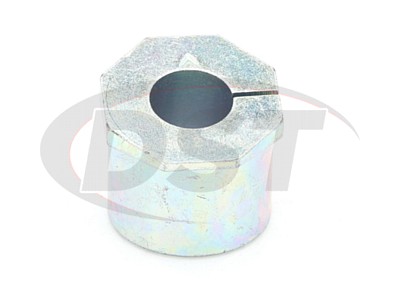
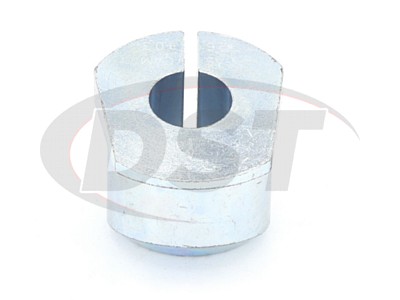
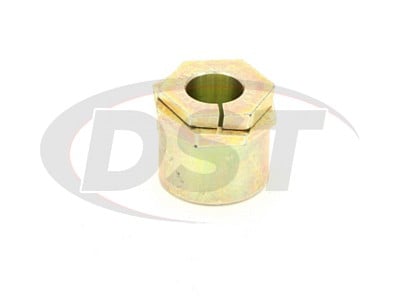
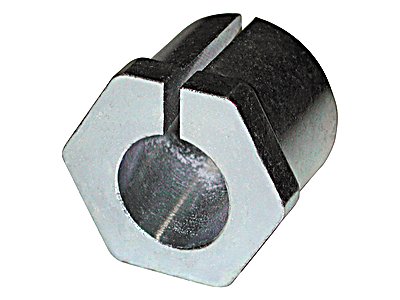
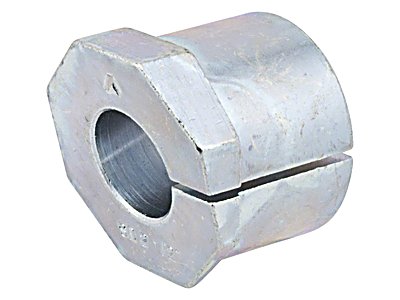
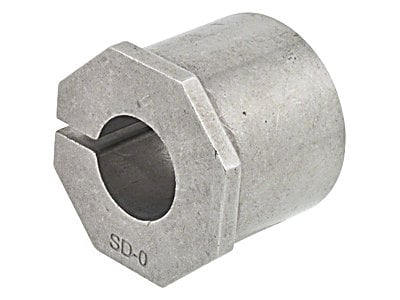
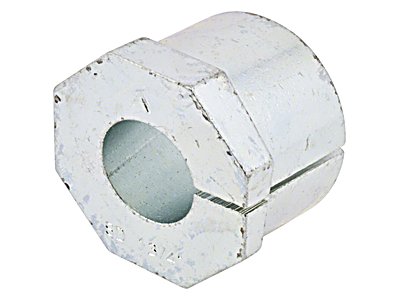
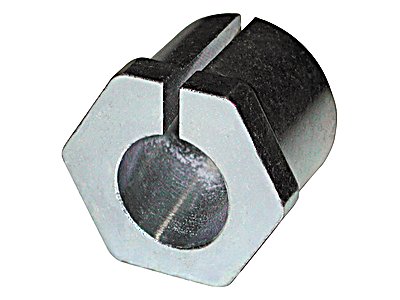
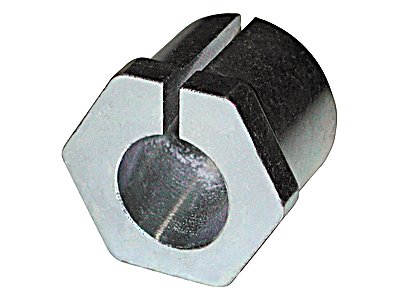
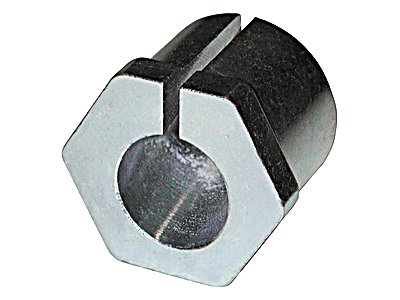
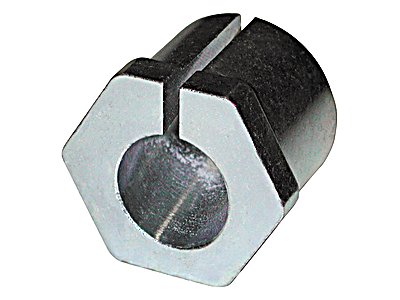
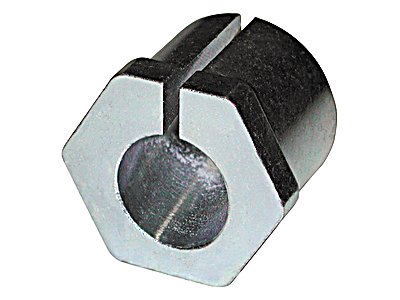
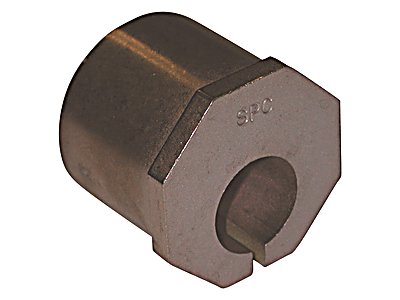
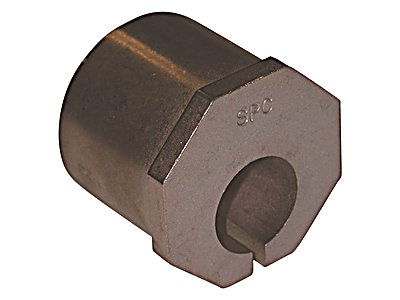
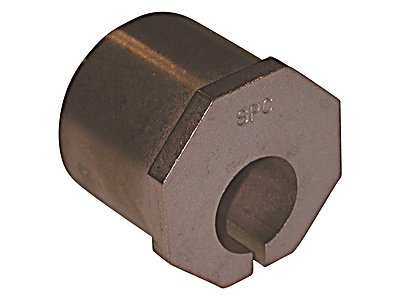
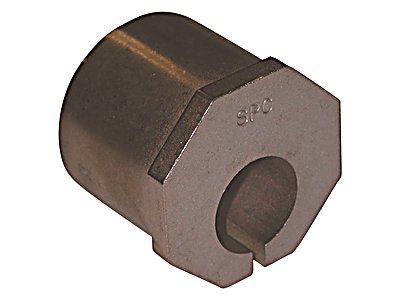
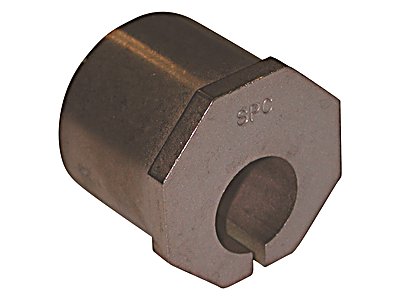
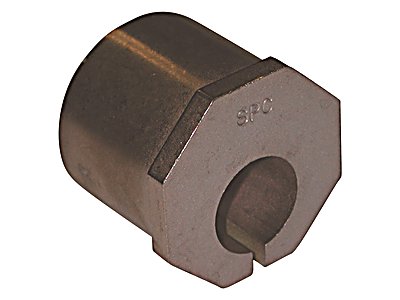
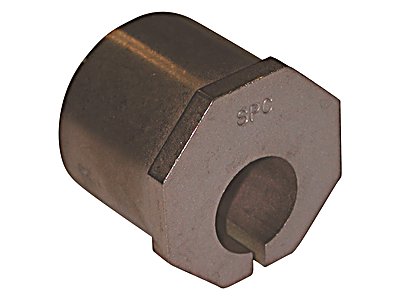
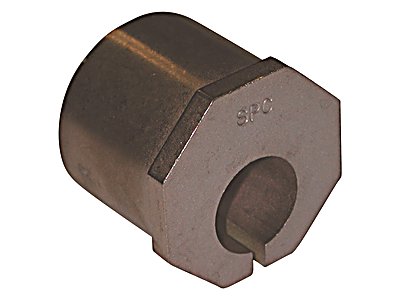
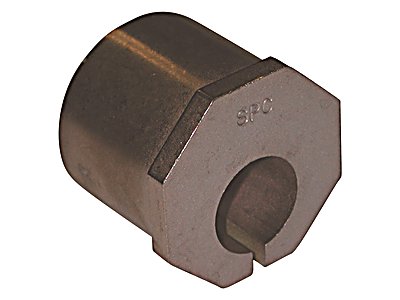
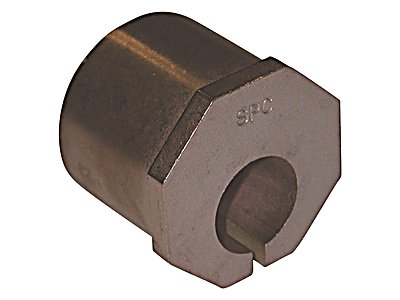
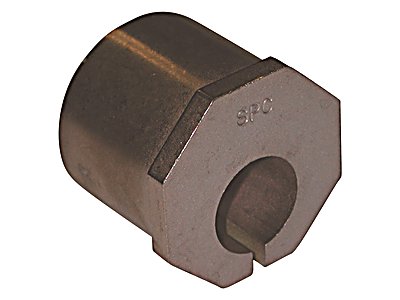
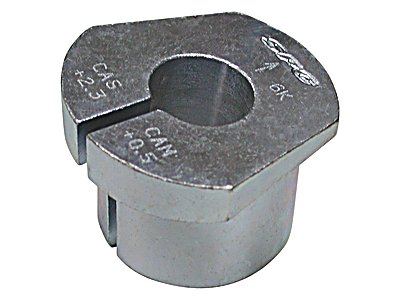
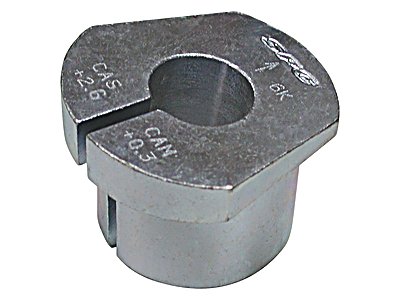
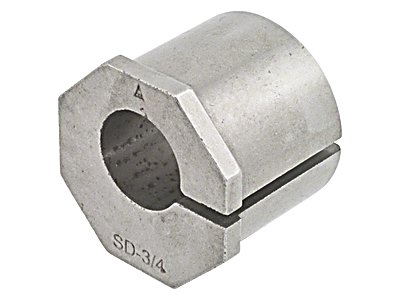
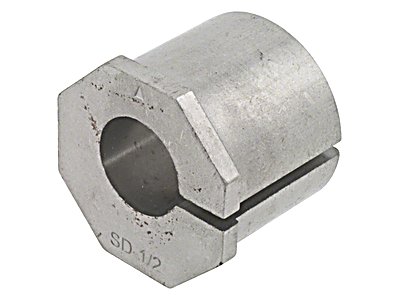
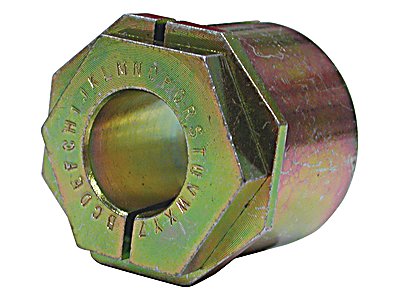
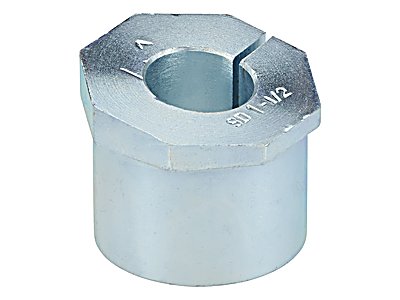
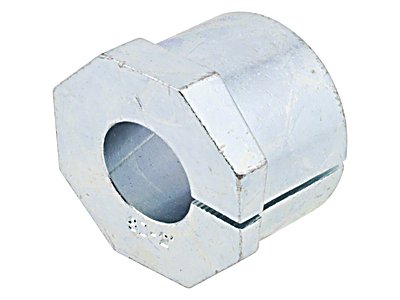
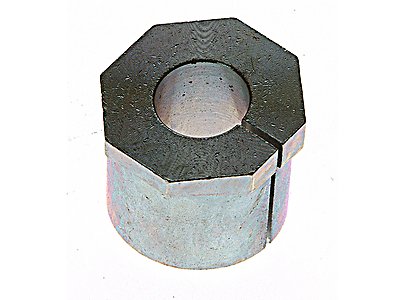
An offset sleeve that sits in the axle yoke around the upper ball joint stud. Rotating it sets caster and camber, since a solid axle has no other adjustment for them.
Signs of wear: The truck pulls to one side, or the tires wear on one edge after a lift, leveling kit or ball joint job.
Tip: Pick the degree of offset your alignment shop measured. Leveling kits usually need a caster correction.
See all Front End Alignment Kit parts for the 2012 Ford F-250 Super Duty 4WD
The steering knuckle holds the wheel hub and brake caliper and pivots on the two ball joints. The steering arms bolt to it.
Signs of wear: Knuckles rarely fail. Replace one if the ball joint tapers are worn oval or the knuckle is bent or cracked.
The coil spring sits on the axle and holds the front of the truck at ride height. Diesel and gas trucks use different spring rates.
Signs of wear: The front end sits low or uneven, bottoms out over bumps, or a broken coil end is visible.
Tip: Replace springs in pairs. A leveling kit spacer raises the front without changing springs.
A rubber jounce bumper that hangs from the coil spring tower, inside the spring, and lands on a pad on the axle. It keeps the axle from hitting the frame at full compression.
Signs of wear: A harsh bang when the suspension bottoms out, or a cracked or missing stop.
See all Front Bump Stops parts for the 2012 Ford F-250 Super Duty 4WD
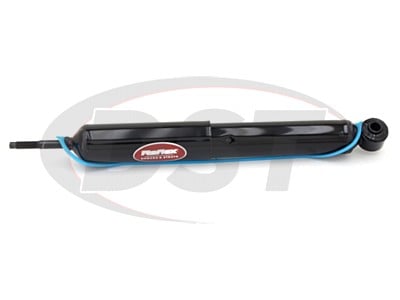
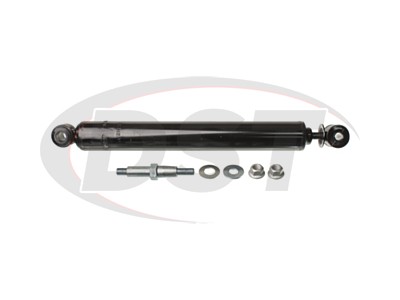
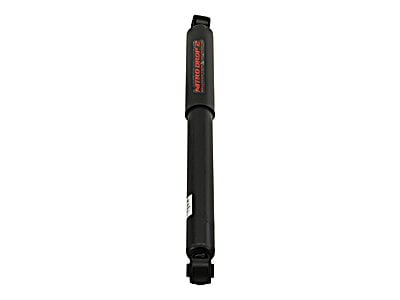
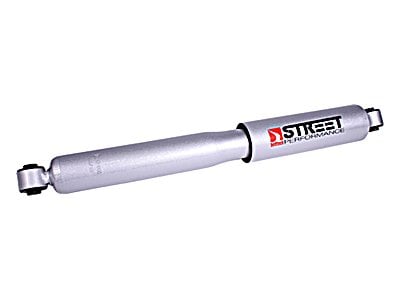
The front shock controls how fast the coil spring compresses and rebounds, which keeps the tires planted.
Signs of wear: Bouncing after bumps, nose dive under braking, leaking oil on the shock body, or cupped tire wear.
Tip: Replace shocks in pairs.
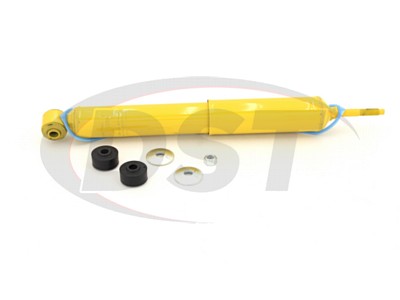
See all Front Shock Absorber parts for the 2012 Ford F-250 Super Duty 4WD
The radius arm runs from the axle back to a frame bracket. It locates the axle front to back and sets caster as the suspension moves.
Signs of wear: Radius arms seldom fail. Their bushings do (see below).
Tip: Lift kits often replace the factory radius arms.
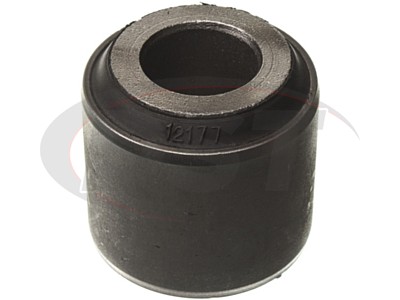
Bushings where the radius arm bolts to the axle. They let the axle articulate while keeping it from shifting.
Signs of wear: Clunks on acceleration or braking, a steering wheel that shimmies over bumps, or cracked rubber at the axle bracket.
Tip: These are a common cause of death wobble alongside the track bar.
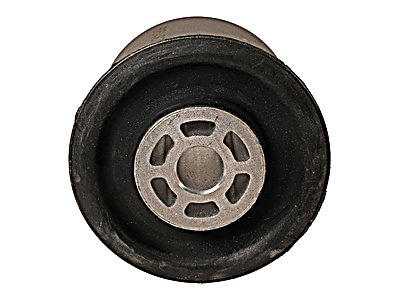
See all Radius Arm Bushings parts for the 2012 Ford F-250 Super Duty 4WD
The bushing at the rear of the radius arm, inside the frame bracket.
Signs of wear: A knock from under the cab area over bumps, or the axle shifting forward and back when braking.
The track bar (Panhard bar) runs across the truck from a frame bracket to the axle. It keeps the axle centered side to side under the frame.
Signs of wear: Death wobble, a steering wheel that moves before the tires do, or the body shifting sideways over bumps. Have a helper turn the wheel while you watch both ends.
Tip: Adjustable track bars recenter the axle after a lift.
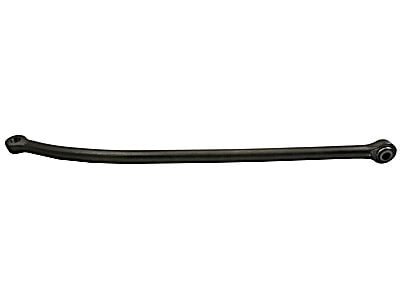
See all Front Track Bar parts for the 2012 Ford F-250 Super Duty 4WD
The Super Duty track bar uses a replaceable ball joint at one end. It is a frequent source of play in the front end.
Signs of wear: A clunk when turning the wheel side to side at a stop, and wandering on the highway.
Tip: Oversized versions are available for a worn track bar eye.
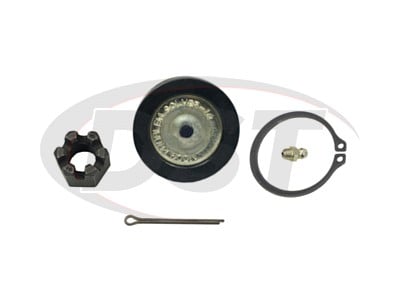
See all Front Lower Ball Joint parts for the 2012 Ford F-250 Super Duty 4WD
The bushing in the other end of the track bar.
Signs of wear: Cracked or oval rubber, or visible movement at the bracket while someone turns the wheel.
Tip: Polyurethane bushings firm up the steering feel.
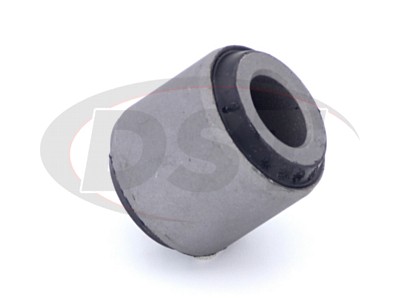
See all Front Track Arm Bar Bushings parts for the 2012 Ford F-250 Super Duty 4WD
The front sway bar (stabilizer bar) twists to resist body roll in corners.
Signs of wear: The bar itself rarely fails. Its bushings and end links wear.
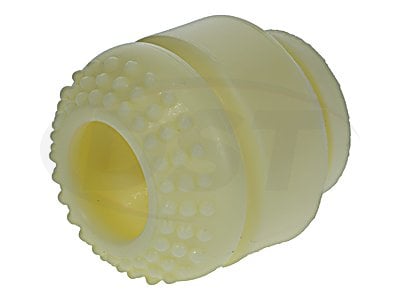
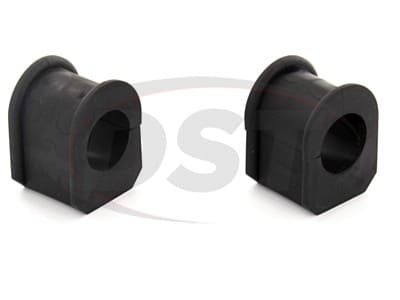
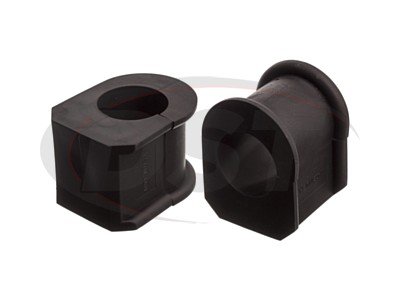
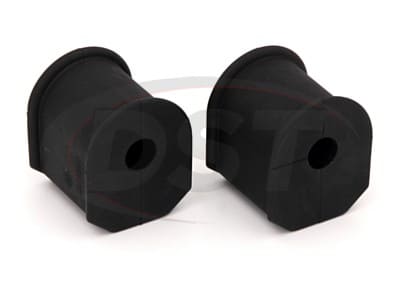
The bushings that hold the sway bar to the frame. Bar diameter varies by build, so check the size in the part name.
Signs of wear: Squeaks or clunks over speed bumps and in slow turns.
Tip: Measure your bar diameter before ordering.
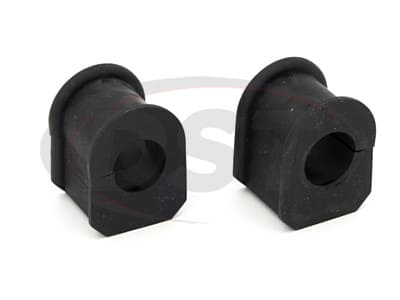
See all Front Sway Bar Bushings parts for the 2012 Ford F-250 Super Duty 4WD
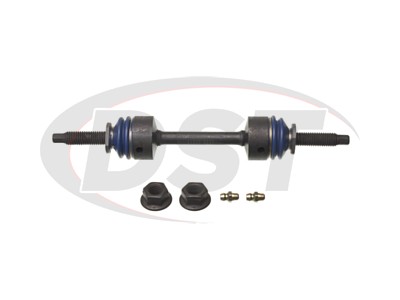
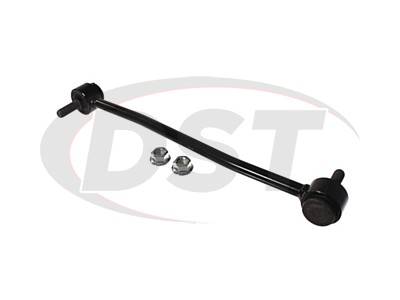
End links connect each end of the sway bar to the axle.
Signs of wear: A rattle or clunk over small bumps, loose or broken link studs.
Tip: Replace both sides at once.

See all Front Sway Bar Endlinks parts for the 2012 Ford F-250 Super Duty 4WD
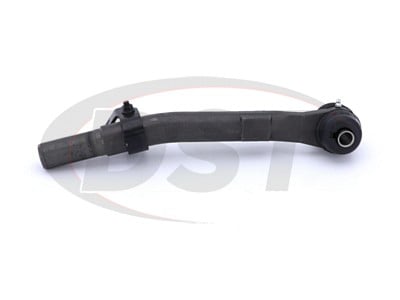
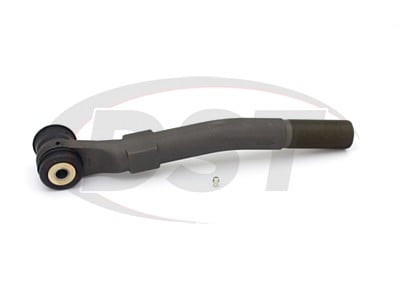
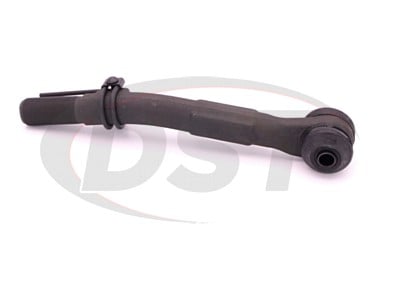
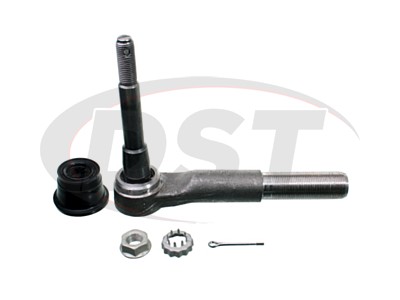
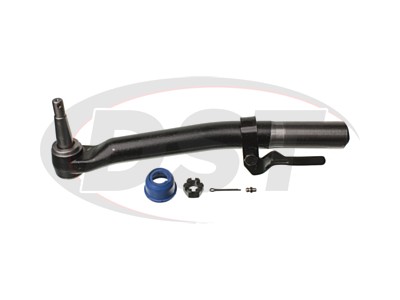
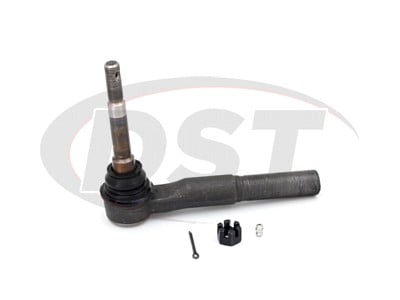
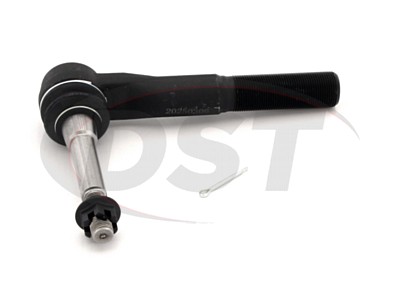
The tie rod ties the two knuckles together so both front wheels turn as a pair. An outer tie rod end at each knuckle is its pivot.
Signs of wear: Play in the steering wheel, a clunk when turning at low speed, or feathered tire wear. Check for movement at the stud while a helper rocks the wheel.
Tip: Driver and passenger ends are different parts. Some come with the damper bracket. Get an alignment after replacement.
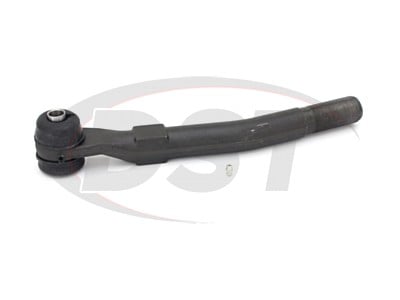
See all Front Outer Tie Rod End parts for the 2012 Ford F-250 Super Duty 4WD
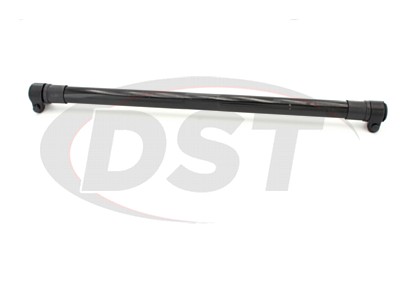
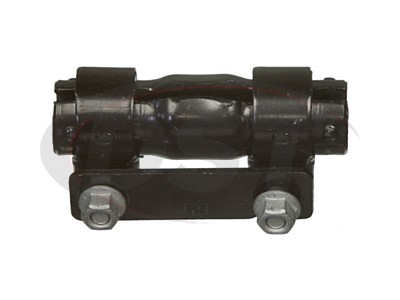
The center section of the tie rod. Turning it sets the toe alignment.
Signs of wear: A bent tube after off-road damage, or rusted threads that won't turn for an alignment.
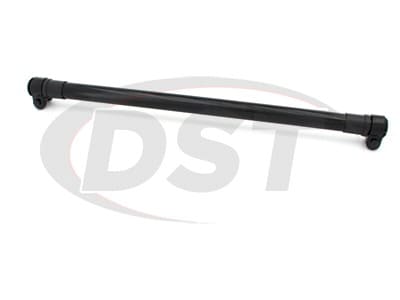
See all Tie Rod Adjusting Sleeve parts for the 2012 Ford F-250 Super Duty 4WD
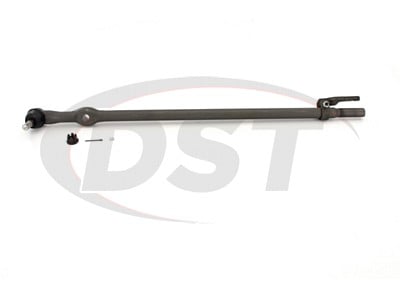
The drag link carries the steering input from the pitman arm across to the passenger knuckle. On this truck it is three pieces: the inner drag link, an adjusting sleeve and an outer end.
Signs of wear: Loose steering, a clunk when turning at a stop, or a steering wheel that is off center.
Tip: A worn drag link is one of the most common causes of loose Super Duty steering.
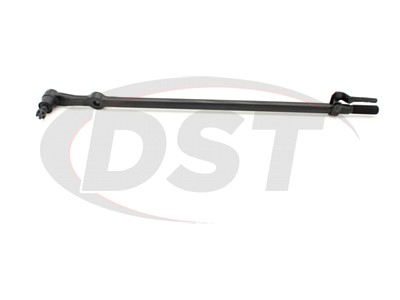
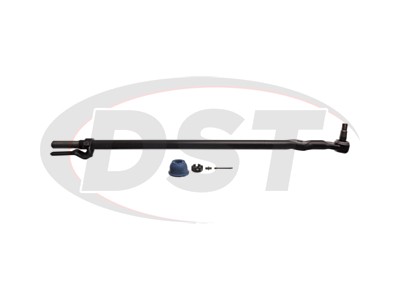
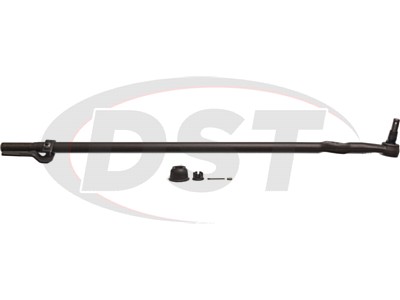
See all Tie Rod Drag Link parts for the 2012 Ford F-250 Super Duty 4WD
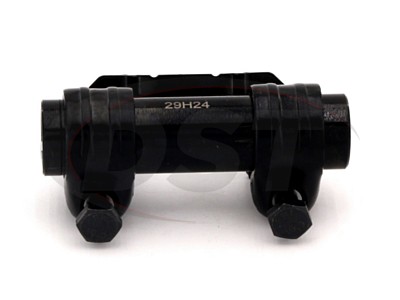
The threaded sleeve that joins the drag link and its outer end. Turning it centers the steering wheel.
Signs of wear: Rusted or stripped threads, or a sleeve that has been bent.
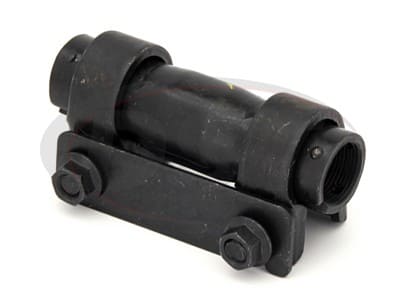
See all Tie Rod Adjusting Sleeve parts for the 2012 Ford F-250 Super Duty 4WD
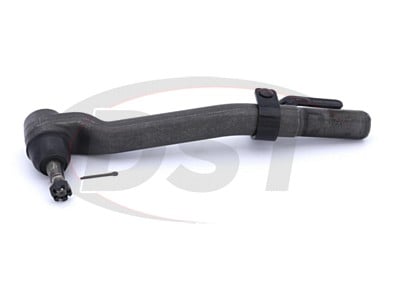
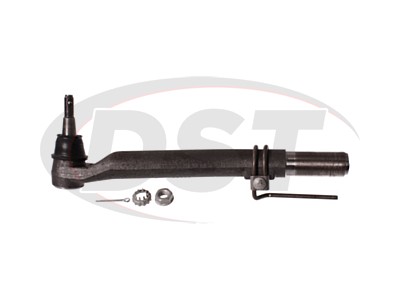
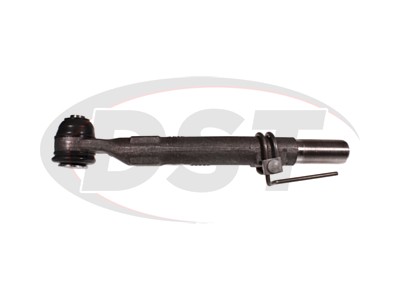
The outer end of the drag link, where it connects to the steering arm on the passenger knuckle. Parts catalogs often list it as a right outer tie rod end.
Signs of wear: Play at the passenger knuckle when the steering wheel is turned back and forth.
Tip: Look for 'Pitman Arm to Steering Arm' in the part name.
See all Front Outer Tie Rod End parts for the 2012 Ford F-250 Super Duty 4WD
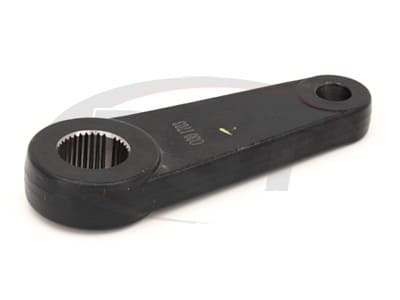
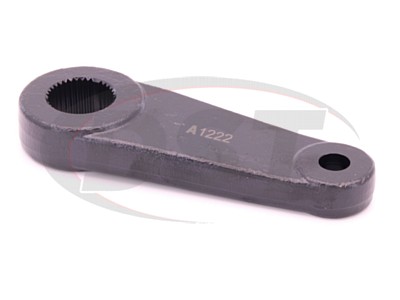
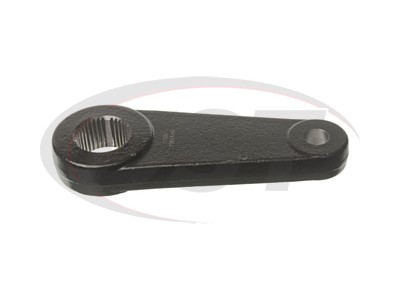
The pitman arm is splined to the steering gear and swings the drag link as you turn the wheel.
Signs of wear: Play between the steering gear and the drag link, or a worn ball stud on arms that have one.
Tip: Use a pitman arm puller. Do not hammer on the steering gear shaft.
See all Pitman Arm parts for the 2012 Ford F-250 Super Duty 4WD
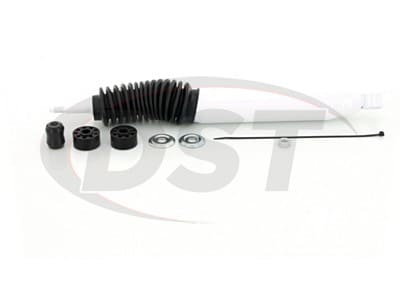
A shock absorber mounted between the drag link and a bracket on the axle. It soaks up kickback from bumps before it reaches the steering wheel.
Signs of wear: Steering wheel shimmy after hitting a bump, or a leaking damper. A new damper can mask worn parts, so check the linkage too.
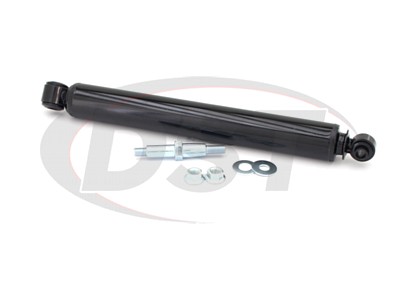
See all Steering Damper parts for the 2012 Ford F-250 Super Duty 4WD
The power steering gear box bolts to the driver side frame rail and turns the pitman arm.
Signs of wear: Leaks at the input or sector shaft seals, or play with the linkage confirmed tight.
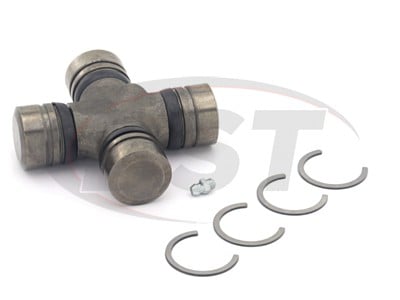
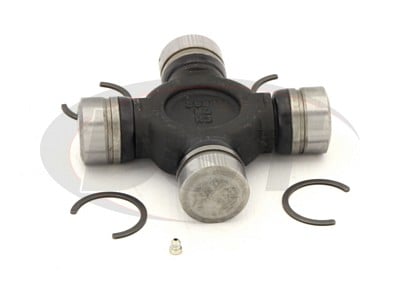
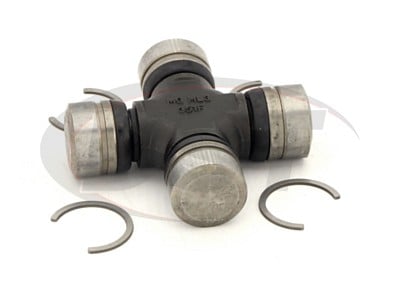
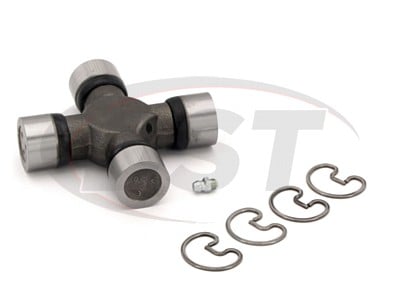
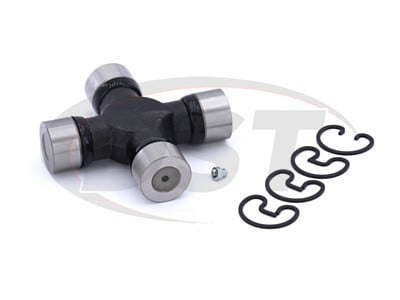
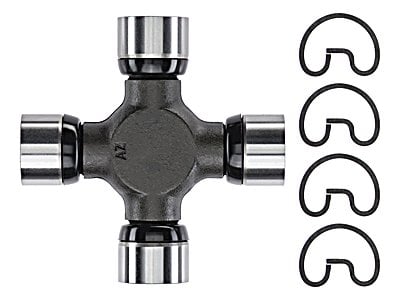
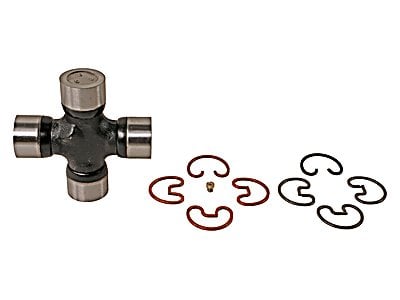
The U-joint at the outer end of each front axle shaft lets the wheel steer while it is driven in 4WD.
Signs of wear: Clicking or binding in tight turns in 4WD, or a rusty, dry joint you can see through the knuckle.
Tip: Greaseable joints can be serviced. Non-greaseable joints are sealed for life.
See all U Joint parts for the 2012 Ford F-250 Super Duty 4WD
The U-joint where the front driveshaft meets the front axle pinion.
Signs of wear: A clunk when 4WD engages, or vibration that only happens in 4WD.
See all U Joint parts for the 2012 Ford F-250 Super Duty 4WD
The double cardan (CV) joint at the transfer case end of the front driveshaft. It handles the steep driveshaft angle.
Signs of wear: Vibration in 4WD, or play in the centering ball.
See all U Joint parts for the 2012 Ford F-250 Super Duty 4WD
The U-joint at the front of the rear driveshaft, at the transfer case output.
Signs of wear: A clunk when shifting into drive or reverse, or a squeak that follows road speed.
See all U Joint parts for the 2012 Ford F-250 Super Duty 4WD
Long wheelbase trucks use a two-piece rear driveshaft with a center support bearing and a U-joint behind it.
Signs of wear: Vibration at 40 to 60 mph, or a torn center bearing rubber.
See all U Joint parts for the 2012 Ford F-250 Super Duty 4WD
The U-joint where the rear driveshaft meets the rear axle pinion.
Signs of wear: A clunk on takeoff, a chirp that follows road speed, or rust dust at the bearing caps.
See all U Joint parts for the 2012 Ford F-250 Super Duty 4WD
The rear leaf springs carry the load and locate the rear axle. The axle is held to them with U-bolts.
Signs of wear: Sagging, a cracked or shifted leaf, or the truck leaning to one side.
The bushing in the front eye of each leaf spring, at the front hanger.
Signs of wear: Squeaks over bumps, or the axle steering the truck (rear wander) when the rubber is gone.
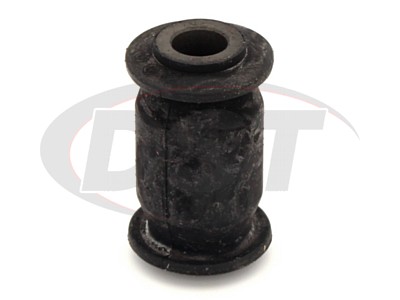
See all Rear Leaf Spring Bushings parts for the 2012 Ford F-250 Super Duty 4WD
The bushing in the rear eye of each leaf spring, where it meets the shackle.
Signs of wear: Squeaks and clunks from the rear over bumps.
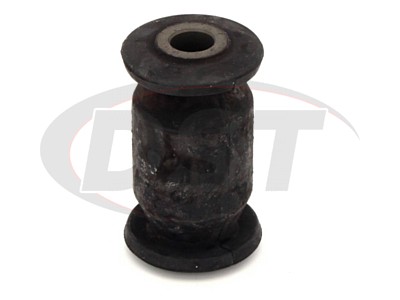
See all Rear Leaf Spring Bushings parts for the 2012 Ford F-250 Super Duty 4WD
The shackle links the rear eye of the spring to the frame so the spring can lengthen as it flexes.
Signs of wear: Rusted, cracked or elongated bolt holes.
Tip: Shackles usually come with new bushings and bolts.
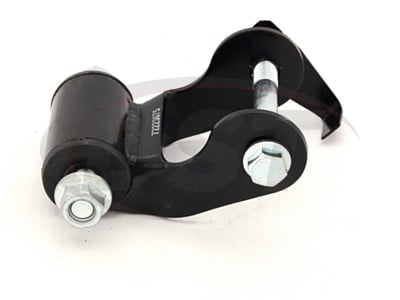
See all Rear Leaf Spring Shackles parts for the 2012 Ford F-250 Super Duty 4WD
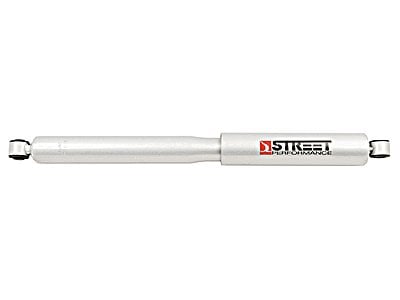
The rear shocks control the leaf springs, which matters most when the bed is loaded or towing.
Signs of wear: Bouncing after bumps, axle hop on rough roads, or a leaking shock.
Tip: Replace in pairs.
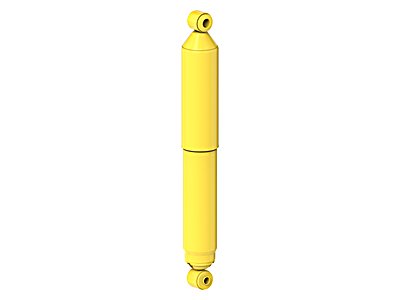
See all Rear Shock Absorber parts for the 2012 Ford F-250 Super Duty 4WD
A stop on the frame above the rear axle that cushions full compression under load.
Signs of wear: Banging over bumps when loaded, or a crumbling stop.
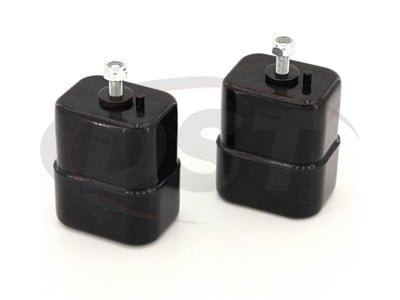
See all Rear Bump Stops parts for the 2012 Ford F-250 Super Duty 4WD
The rear sway bar resists body roll, especially with a camper or trailer.
Signs of wear: The bar itself rarely fails.
Bushings that hold the rear sway bar in its mounts.
Signs of wear: Squeaks or clunks from the rear in turns.
See all Rear Sway Bar Bushings parts for the 2012 Ford F-250 Super Duty 4WD
End links connect the rear sway bar to the frame.
Signs of wear: A rattle from the rear over small bumps.
Tip: Dually trucks use different links. Check the part name.

See all Rear Sway Bar Endlinks parts for the 2012 Ford F-250 Super Duty 4WD
The hub assembly holds the wheel studs and the wheel bearings and bolts to the knuckle. On 4WD trucks it also connects the axle shaft.
Signs of wear: A growl that changes with speed or when weaving, play when the tire is rocked, or an ABS light.
Tip: Some hubs come with the manual locking hub. Check the part name.
See all Front Wheel Bearing and Hub Assembly parts for the 2012 Ford F-250 Super Duty 4WD
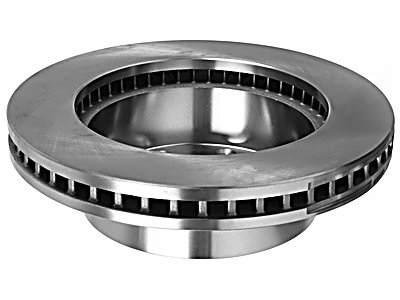
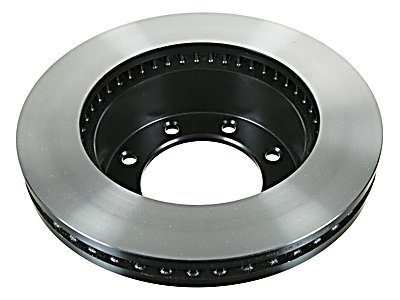
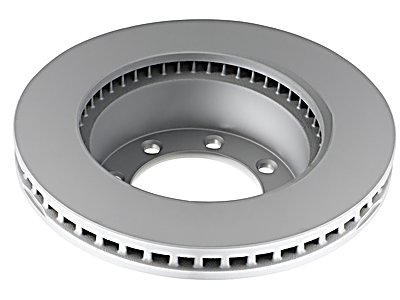
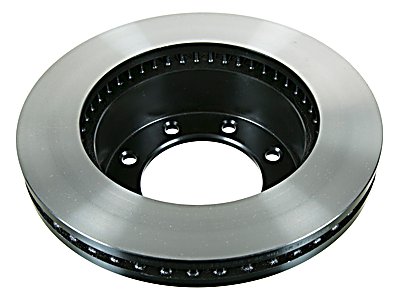
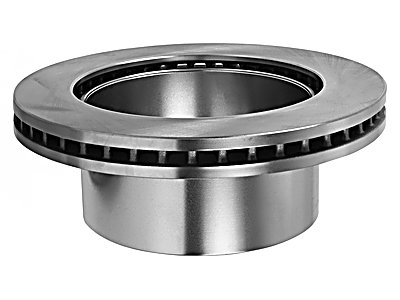
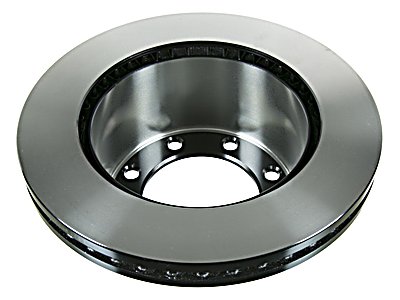
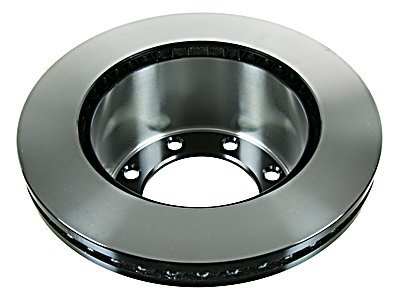
The front rotor is clamped by the caliper to stop the truck. Super Duty front rotors are 347 mm.
Signs of wear: A pulsing brake pedal, grooves you can feel, or blue heat spots.
Tip: Replace rotors in pairs with new pads.
See all Front Brake Rotor parts for the 2012 Ford F-250 Super Duty 4WD
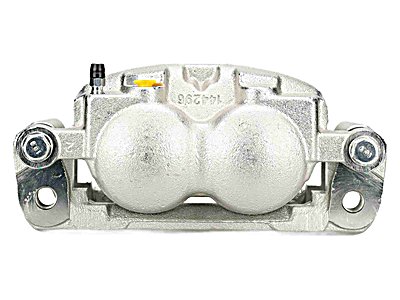
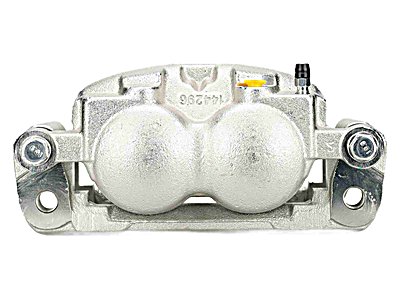
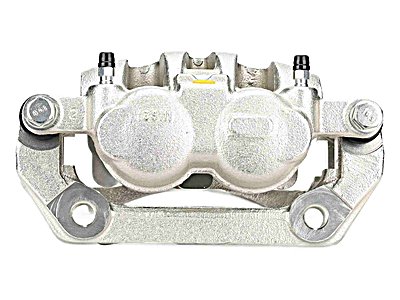
The caliper squeezes the pads against the rotor. Driver and passenger calipers are different parts.
Signs of wear: Pulling when braking, one wheel much hotter or dustier than the other, or a leaking piston seal.
See all Front Brake Caliper parts for the 2012 Ford F-250 Super Duty 4WD
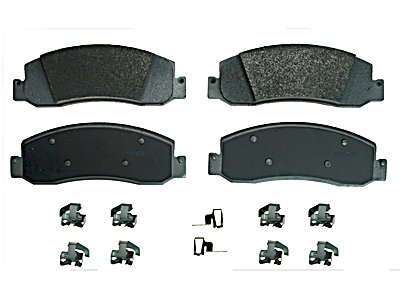
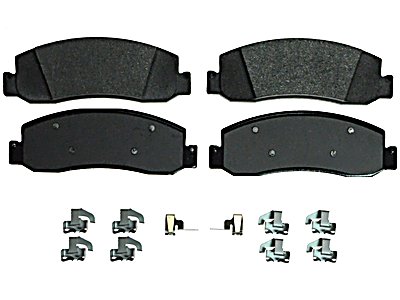
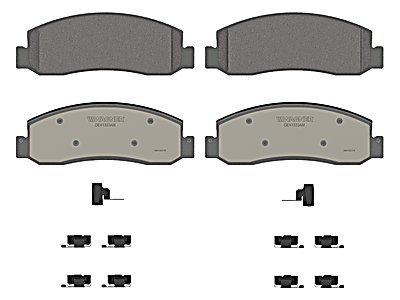
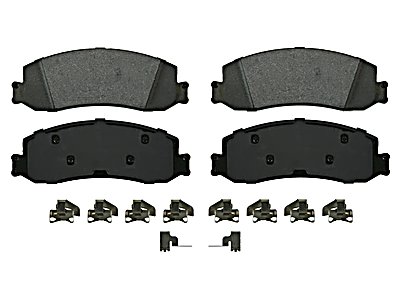
One pad set covers both front wheels.
Signs of wear: Squealing from the wear indicator, grinding, or less than 3 mm of pad left.
Tip: Severe duty pads suit towing and plowing.
See all Front Brake Pads parts for the 2012 Ford F-250 Super Duty 4WD
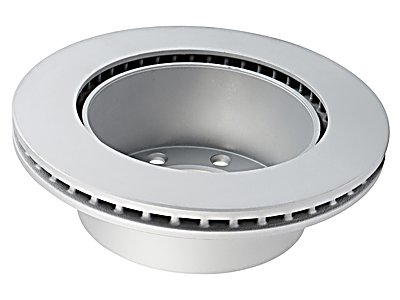
The rear rotor. Its center hat doubles as the drum for the parking brake.
Signs of wear: A pulsing pedal, scoring, or a parking brake that won't hold.
See all Rear Brake Rotor parts for the 2012 Ford F-250 Super Duty 4WD
The rear caliper. The same part fits both rear wheels on this truck.
Signs of wear: A dragging brake, uneven pad wear, or a leaking piston seal.
See all Rear Brake Caliper parts for the 2012 Ford F-250 Super Duty 4WD
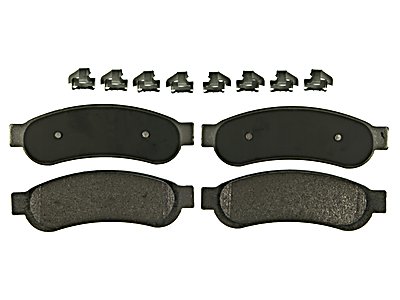
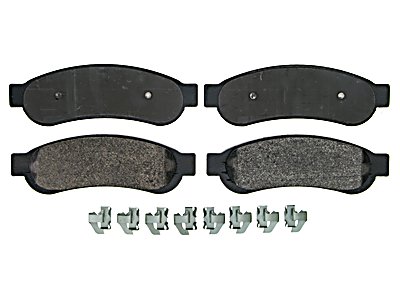
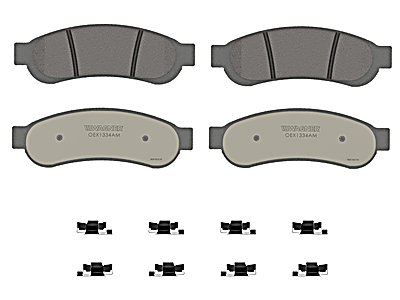
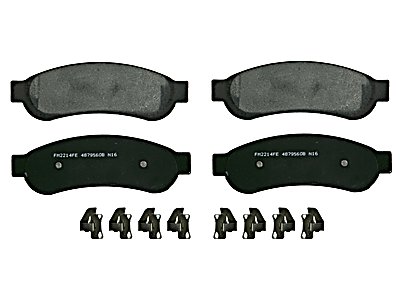
One pad set covers both rear wheels.
Signs of wear: Squealing, grinding, or thin pads.
See all Rear Brake Pads parts for the 2012 Ford F-250 Super Duty 4WD
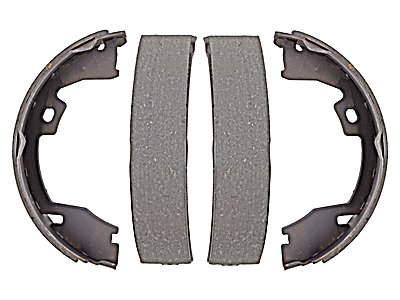
Small brake shoes inside the rear rotor hat (drum in hat) that work the parking brake.
Signs of wear: The parking brake won't hold on a hill, or the lever travels too far.
See all Parking Brake Shoes parts for the 2012 Ford F-250 Super Duty 4WD
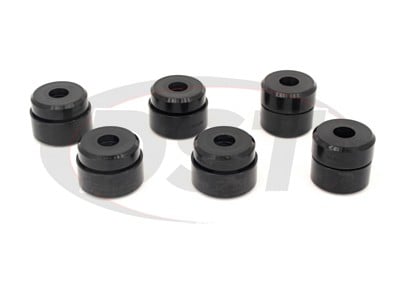
Rubber or polyurethane mounts that isolate the cab from the frame. Crew cab and regular/super cab sets differ.
Signs of wear: Cab movement over bumps, clunks from under the floor, or a cab that sits crooked on the frame.
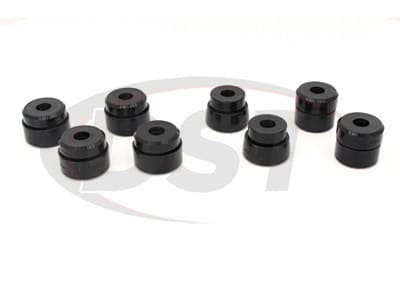
See all Body Mount Bushings Kit parts for the 2012 Ford F-250 Super Duty 4WD
Death wobble is a violent shake of the front end after a bump, usually at 45 to 60 mph. On the Super Duty it is almost always caused by play in the front end: a worn track bar ball joint or bushing, worn ball joints, a loose drag link or tie rod end, or worn radius arm bushings. A steering damper can hide it but does not fix it. Check each joint for play with the truck on the ground and a helper turning the wheel.
No. The 4x4 Super Duty uses a solid front axle located by two radius arms and a track bar instead of upper and lower control arms. The 2WD truck uses a different twin I-beam front suspension with different parts.
No. The driver and passenger outer tie rod ends are different parts, and the passenger knuckle also carries the drag link end. Use the diagram to pick the exact position, or check for 'Driver Side' or 'Passenger Side' in the part name.
Yes. Replacing ball joints, tie rod ends, the drag link or the caster/camber sleeves changes the alignment. Get the toe set, and the caster and camber checked, after any front end work.
The 2011 to 2016 F-250 Super Duty 4WD share this layout. Parts can still change by cab, engine and options, so the parts shown here are the ones listed for the 2012 4WD truck.
Numbered diagrams to print or save for the shop. The numbers match the numbered parts on the interactive diagram.