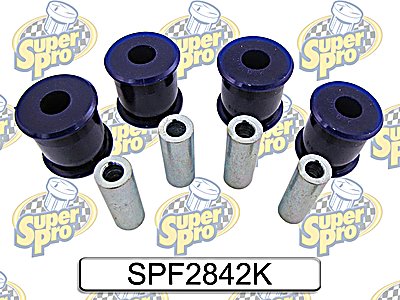
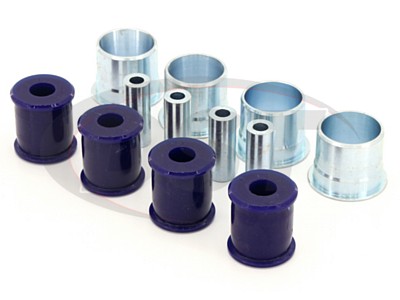
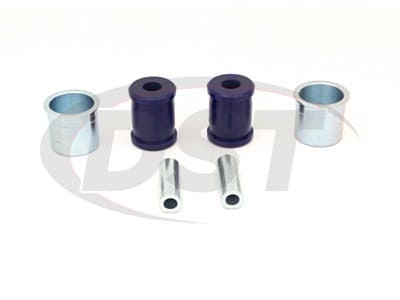
Steering Linkage and Rebuild Kits
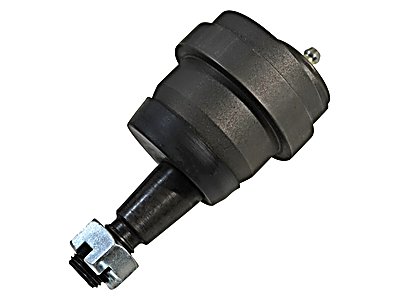
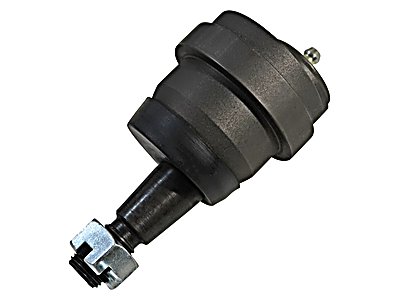
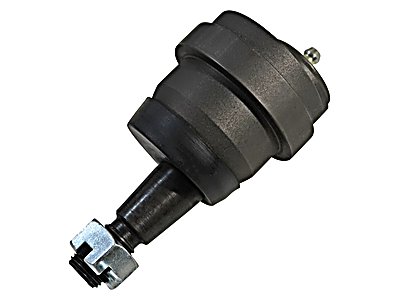
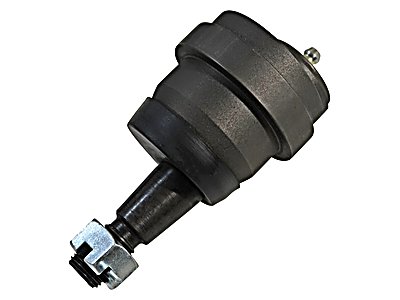
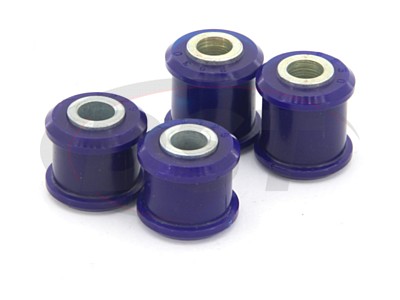
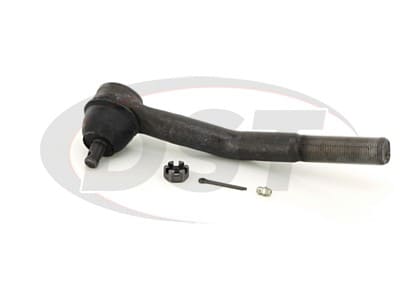
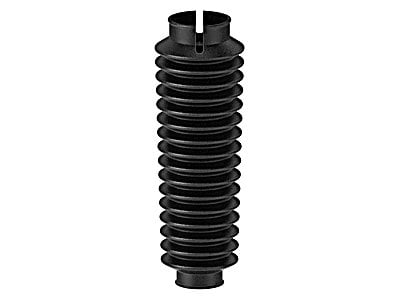
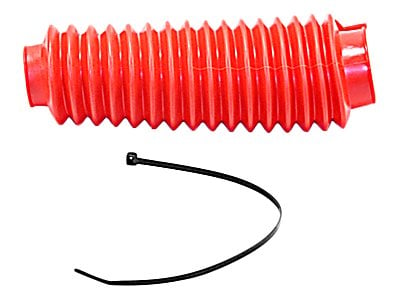
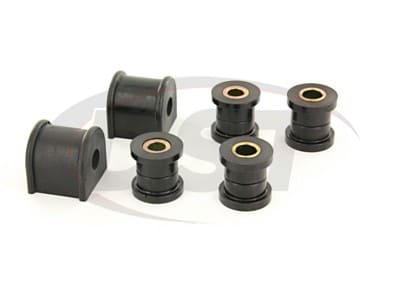
Complete linkage assemblies and rebuild kits for the tie rod and drag link.

This interactive diagram shows the front axle, steering linkage and rear axle of the 2002 Jeep Grand Cherokee. Hover over or tap any part to see what it does, the signs that it is worn, and the replacement parts we carry that fit your Jeep, down to the side and position.
We carry parts for it Not stocked yet Hover or tap any part.
The 1999 to 2004 Grand Cherokee rides on solid axles front and rear, each on coil springs, under a unibody. Two upper and two lower control arms hold the front axle, and a track bar keeps it centered. At the rear, two lower arms and a single A-shaped upper arm with a ball joint on the differential locate the axle, so there is no rear track bar. The steering gear on the driver side swings a pitman arm and drag link to the passenger knuckle, and a tie rod with a steering stabilizer ties both knuckles together. The diagram is drawn from a four wheel drive model without the Up Country package.
We carry replacement parts for 37 of the 45 components on this diagram, 141 parts in all. See every part for the 2002 Jeep Grand Cherokee.
Complete linkage assemblies and rebuild kits for the tie rod and drag link.
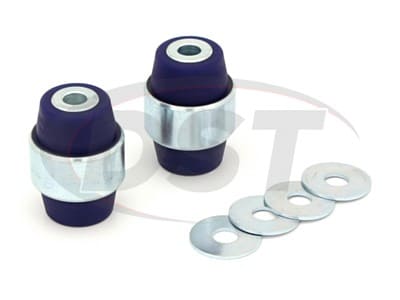
Caster and camber shims and kits for setting the front alignment.
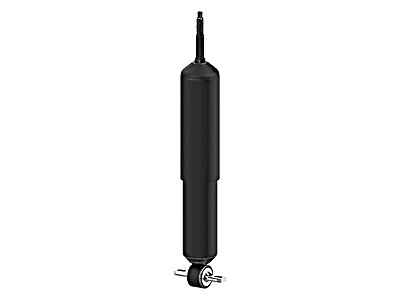
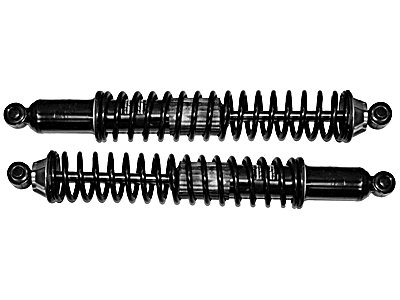
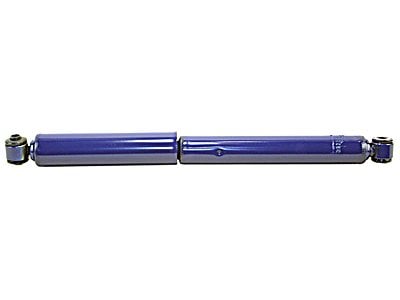
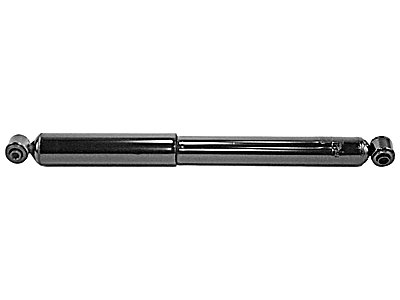
Front and rear shock sets.
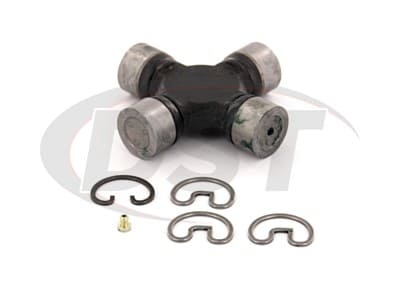
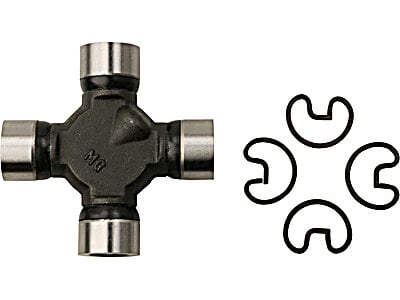
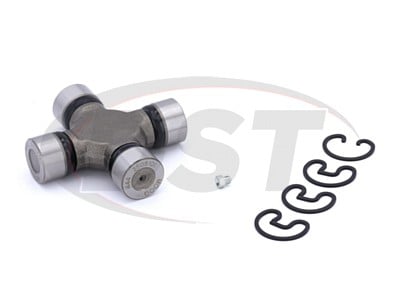
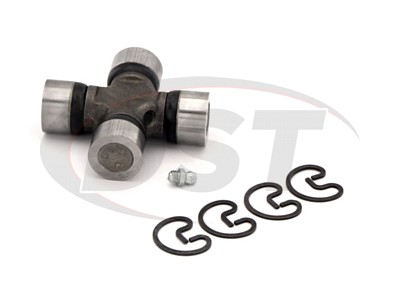
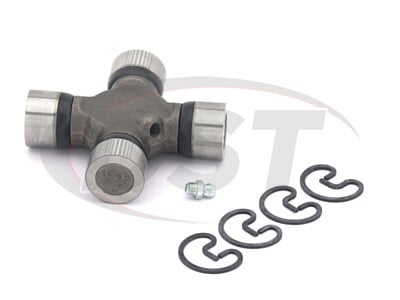
U-joint sets for the driveshafts.
The upper ball joint is the top pivot between the Dana 30 axle yoke and the steering knuckle. It lets the knuckle turn and holds it to the axle.
Signs of wear: Clunks over bumps, vague steering, uneven tire wear, or play when the tire is rocked top to bottom.
Tip: Replace upper and lower joints together. Offset upper joints are sold to correct caster and camber.

See all Front Upper Ball Joint parts for the 2002 Jeep Grand Cherokee
The lower ball joint is the bottom pivot of the steering knuckle and carries much of the front load.
Signs of wear: Knocking when turning or braking, a loose feel at highway speed, or front end shimmy after a bump.
Tip: Oversized lower joints are available when the yoke bore is worn.
See all Front Lower Ball Joint parts for the 2002 Jeep Grand Cherokee
The knuckle pivots on the two ball joints. It carries the wheel hub and brake caliper and has the arm the tie rod pushes on; the passenger knuckle also takes the drag link.
Signs of wear: A bent knuckle shows as alignment that will not set or a pull after an impact.
Tip: Check the knuckle arm whenever a tie rod end is replaced.
Two short upper arms run from the axle back to brackets on the unibody. With the lower arms they hold the axle front to back and set the pinion angle and caster.
Signs of wear: Clunks on acceleration or braking, a worn bushing, or a bent arm.
Tip: Adjustable upper arms let you correct caster and pinion angle after a lift.

See all Front Control Arm parts for the 2002 Jeep Grand Cherokee
The lower arms run from brackets under the axle tubes back to the unibody and carry the braking and driving loads.
Signs of wear: Clunks, a wandering feel, torn bushings, or a bent arm.
Tip: Replace lower arms in pairs and get an alignment.

See all Front Control Arm parts for the 2002 Jeep Grand Cherokee
Rubber bushings at each end of the upper arm. The axle end bushing presses into the bracket on the axle, not into the arm.
Signs of wear: Cracked or torn rubber, clunks, and steering that wanders after bumps.
Tip: Pressing the axle end bushing needs a bushing tool.
See all Front Control Arm Bushings parts for the 2002 Jeep Grand Cherokee
Rubber bushings in both eyes of the lower arm, at the axle (forward) and at the unibody (rearward).
Signs of wear: Clunking, a shift under braking, or rubber pushed out of the eye.
Tip: Polyurethane bushings feel firmer than the factory rubber.
See all Front Control Arm Bushings parts for the 2002 Jeep Grand Cherokee
A coil spring sits on a seat on each front axle tube and pushes up into a pocket in the unibody.
Signs of wear: A front end that sits low or leans, a broken coil, or clunks from the seat.
Tip: Up Country models use their own springs, so match the springs to your Jeep.
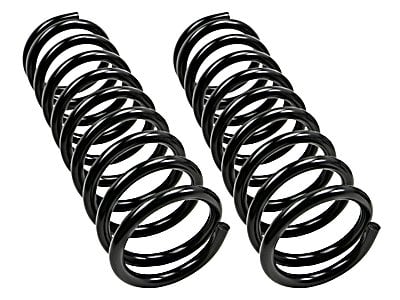
See all Front Coil Springs parts for the 2002 Jeep Grand Cherokee
Rubber isolators at the top and bottom of each front coil keep the spring from rattling against the axle seat and the body.
Signs of wear: Squeaks or clunks over bumps, or a spring that looks cocked in its seat.
Tip: Fit new isolators whenever the springs are out.

See all Front Coil Spring Isolator Pads parts for the 2002 Jeep Grand Cherokee
A urethane jounce bumper under the unibody rail above each axle tube that stops the axle before metal hits metal.
Signs of wear: A harsh bang on big bumps, or a split or missing bumper.
Tip: Lifted Jeeps often need longer bump stops.
Each front shock stands beside the coil spring, from a cross pin on the axle bracket up through a tower in the unibody.
Signs of wear: Bouncing after bumps, nose dive under braking, leaks, or worn bushings.
Tip: Longer shocks are needed after a lift.
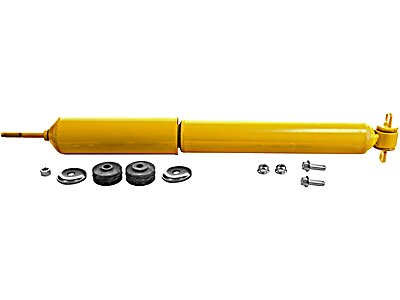
See all Front Shock Absorber parts for the 2002 Jeep Grand Cherokee
The track bar runs from a bracket on the driver side of the unibody across to the passenger side of the axle and keeps the axle centered under the Jeep.
Signs of wear: Steering that moves before the wheels do, clunks at the bracket, and front end shimmy after bumps.
Tip: Adjustable track bars recenter the axle after a lift.


See all Front Track Bar parts for the 2002 Jeep Grand Cherokee
The bushings in the two track bar eyes: the driver side one at the body bracket and the passenger side one at the axle bracket.
Signs of wear: Clunks when turning the wheel at a stop, or a loose feel on center.
Tip: Tighten the track bar bolts with the Jeep on its wheels.
See all Front Track Arm Bar Bushings parts for the 2002 Jeep Grand Cherokee
The front sway bar crosses ahead of the axle on bushings under the unibody rails, and its arms reach back to links on the axle to limit body roll.
Signs of wear: More lean in turns, clunks, or a bent bar.
Tip: The bar size changed during 2003, so match the bushings to your bar.
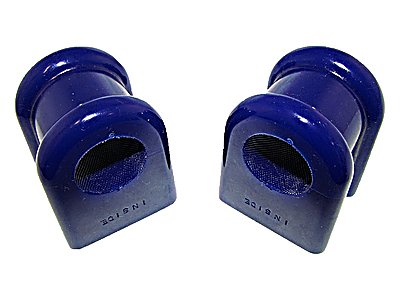
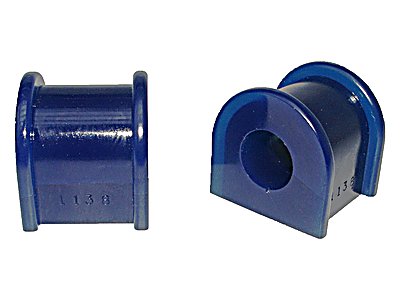
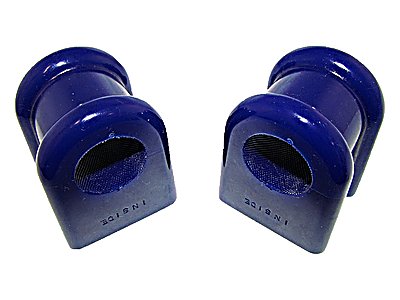
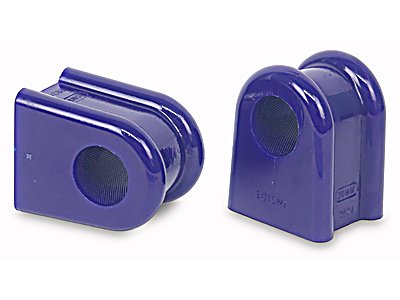
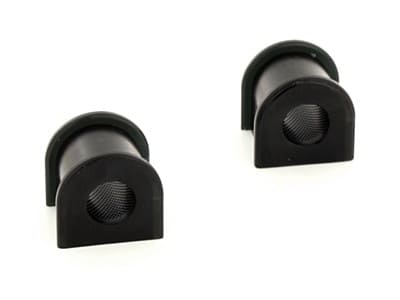
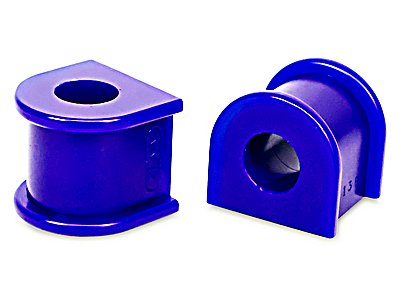
Rubber bushings in clamps under the rails that hold the front sway bar.
Signs of wear: Squeaks or clunks over bumps, or a bar that moves in its clamp.
Tip: Match the bushing size to your bar: 31.75 mm on earlier trucks, 30 mm on later ones.

See all Front Sway Bar Bushings parts for the 2002 Jeep Grand Cherokee
The end links stand just ahead of each coil spring and join the sway bar arm to a U-bracket on the axle tube.
Signs of wear: Rattles over small bumps and broken or loose bolts.
Tip: Quick disconnect links are sold for lifted Jeeps.

See all Front Sway Bar Endlinks parts for the 2002 Jeep Grand Cherokee
The tie rod joins the two knuckle arms ahead of the axle. A bent end threads into each end of the tie rod tube; the passenger end sits below the drag link end.
Signs of wear: Play in the steering, wandering, and wear on the tire edges.
Tip: Count the turns when you remove an end, then get the toe set.
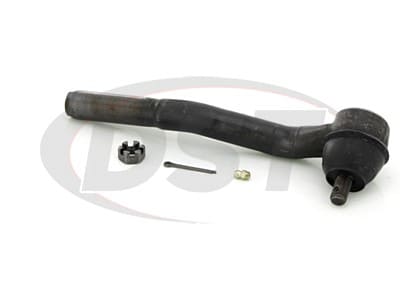
See all Front Outer Tie Rod End parts for the 2002 Jeep Grand Cherokee
The long threaded tube between the two tie rod ends. Turning it sets toe.
Signs of wear: A seized or bent tube, or clamps that will not hold.
Tip: Replace the tube when replacing seized tie rod ends.
See all Tie Rod Adjusting Sleeve parts for the 2002 Jeep Grand Cherokee
The drag link carries the pitman arm's movement across to the passenger knuckle. Its knuckle end sits above the tie rod end on the same knuckle.
Signs of wear: Loose steering, clunks over bumps, and the steering wheel off center.
Tip: Set the steering wheel straight with the drag link tube after alignment.
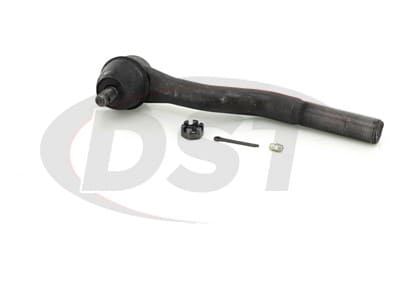
See all Tie Rod Drag Link parts for the 2002 Jeep Grand Cherokee
The bent end that joins the drag link tube to the pitman arm.
Signs of wear: Play at the pitman arm when a helper turns the wheel.
Tip: Replace it with the drag link tube if the threads are rusted.
See all Tie Rod Drag Link parts for the 2002 Jeep Grand Cherokee
The threaded tube between the two drag link ends. It sets the steering wheel straight.
Signs of wear: A seized tube or loose clamps.
Tip: Adjust it after an alignment, not before.
See all Tie Rod Adjusting Sleeve parts for the 2002 Jeep Grand Cherokee
The pitman arm hangs from the steering gear on the driver side and swings the drag link when you turn the wheel.
Signs of wear: Play at the ball stud or a loose arm on the gear shaft.
Tip: Use a puller; never hammer the gear shaft.

A small shock lying along the passenger half of the tie rod, between a bracket on the axle and a clamp on the tie rod, that damps steering kick.
Signs of wear: Leaks, a worn bushing, or more kick through the wheel on rough roads.
Tip: A damper calms shimmy but does not fix worn joints.
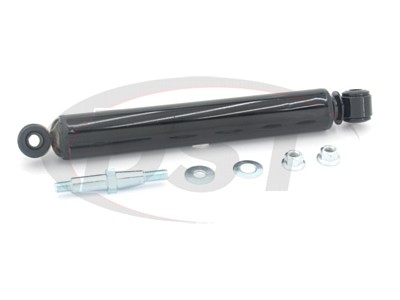
See all Steering Damper parts for the 2002 Jeep Grand Cherokee
The steering gear is bolted to the driver side rail ahead of the axle. Its output shaft turns the pitman arm.
Signs of wear: Leaks, play in the wheel, or a loose mount.
Tip: Check the gear mount bolts when chasing steering play.
Each front axle shaft runs out of the axle tube to a constant velocity joint at the steering pivot, which drives the hub while the knuckle turns. Quadra-Drive axles with Vari-Lok use their own shafts.
Signs of wear: Clicking when turning in four wheel drive, a torn boot, or grease thrown on the knuckle.
Tip: Pick the shaft for your axle: with or without Vari-Lok.
See all CV Joint Parts - Front parts for the 2002 Jeep Grand Cherokee
U-joints at each end of the driveshafts. The front shaft has a double cardan joint at the transfer case and a single joint at the front axle; the rear shaft has a joint at each end.
Signs of wear: Clunks when shifting into gear, a squeak at low speed, vibration, or rust dust at the caps.
Tip: Mark the shaft and yoke before removing a driveshaft so it goes back in phase.
A single A-shaped upper arm runs from a ball joint on top of the rear differential forward to two brackets on the unibody. It locates the axle side to side, so there is no rear track bar.
Signs of wear: Clunks on acceleration, a rear end that steers on bumps, or torn body bushings.
Tip: Check the ball joint and both body bushings together.

See all Rear Control Arm parts for the 2002 Jeep Grand Cherokee
The ball joint at the point of the rear upper arm. Its stud bolts into the bracket on top of the differential.
Signs of wear: A clunk from the rear over bumps or on acceleration, or play at the differential.
Tip: It can be replaced without removing the whole arm.

See all Rear Upper Ball Joint parts for the 2002 Jeep Grand Cherokee
The bushings in the two forward ends of the rear upper arm, where it bolts to the unibody.
Signs of wear: Clunks and a loose feel in the rear.
Tip: Replace both sides together.
See all Rear Control Arm Bushings parts for the 2002 Jeep Grand Cherokee
The lower arms run from brackets under the rear axle tubes forward to the unibody and carry the driving and braking loads. Their bushings come with the arm.
Signs of wear: Clunks, a rear end that shifts, or a bent arm.
Tip: Replace in pairs.

See all Rear Control Arm parts for the 2002 Jeep Grand Cherokee
A coil spring sits on a seat on each rear axle tube under a pocket in the unibody.
Signs of wear: A rear that sags, a broken coil, or clunks from the seat.
Tip: Towing and Up Country models use their own springs.
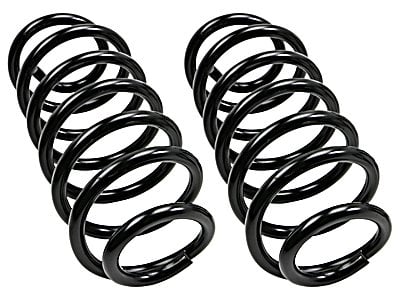
See all Rear Coil Springs parts for the 2002 Jeep Grand Cherokee
Rubber isolators at the top and bottom of each rear coil. Spacer pads that raise the rear sit in the same place.
Signs of wear: Squeaks or clunks from the rear over bumps.
Tip: Fit new isolators whenever the springs are out.

See all Rear Coil Spring Isolator Pads parts for the 2002 Jeep Grand Cherokee
A rubber jounce bumper inside each rear coil spring, on the lower seat on the axle, that stops the axle at full bump.
Signs of wear: A harsh bang on big bumps.
Tip: Check it whenever the springs are changed.
Each rear shock runs from a bracket low on the axle near the wheel, back and up to a mount on the body beside the fuel tank.
Signs of wear: Bouncing, leaks, or worn eye bushings.
Tip: Longer shocks are needed after a lift.
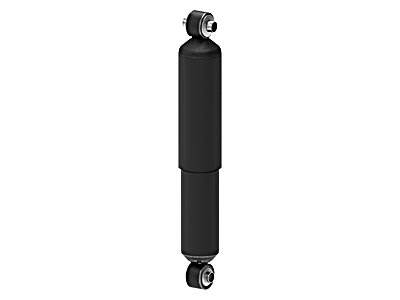
See all Rear Shock Absorber parts for the 2002 Jeep Grand Cherokee
The rear sway bar runs just behind the axle on bushings clamped to brackets on the axle tubes, dipping under the differential; its turned-up ends join links that run up to the body.
Signs of wear: More body roll, clunks, or a bent bar.
Tip: Check the links whenever you change ride height.
Bushings in clamps on the axle brackets that hold the rear sway bar.
Signs of wear: Squeaks and clunks.
Tip: Match the bushing size to your bar.
See all Rear Sway Bar Bushings parts for the 2002 Jeep Grand Cherokee
Links join each end of the rear sway bar to a bracket on the body beside the coil spring.
Signs of wear: Rattles and loose bolts.
Tip: Fit longer links after a lift.

See all Rear Sway Bar Endlinks parts for the 2002 Jeep Grand Cherokee
A sealed unit bearing and hub bolted to the knuckle. The wheel studs are in its flange and the front axle shaft drives it through a splined center.
Signs of wear: Humming or growling that changes with speed or in turns, play at the wheel, or an ABS light.
Tip: Torque the axle nut and the hub bolts to the specified values.

See all Front Wheel Bearing and Hub Assembly parts for the 2002 Jeep Grand Cherokee
The vented front disc the pads clamp.
Signs of wear: Pulsing in the brake pedal, grooves, or a lip at the outer edge.
Tip: Replace rotors in pairs and fit new pads at the same time.
See all Front Brake Rotor parts for the 2002 Jeep Grand Cherokee
The caliper sits behind the rotor and squeezes the pads when you brake. Early trucks used two caliper designs, so match the one on your Jeep.
Signs of wear: A pull to one side when braking, a dragging wheel, uneven pad wear, or fluid at the caliper.
Tip: Bleed the brakes after replacing a caliper.
Friction pads inside the caliper, one on each side of the rotor. The pad shape changed for 2003, so pick pads by year.
Signs of wear: Squealing, grinding, a low pedal, or less than 3 mm of friction left.
Tip: Replace pads on both sides of the axle together.
See all Front Brake Pads parts for the 2002 Jeep Grand Cherokee
The rear disc. Its deep hat also serves as the drum for the parking brake shoes.
Signs of wear: Pulsing, grooves, or a parking brake that will not hold.
Tip: Back off the parking brake shoes to remove a worn rotor.
See all Rear Brake Rotor parts for the 2002 Jeep Grand Cherokee
The rear caliper sits behind the rear rotor.
Signs of wear: A dragging wheel or uneven pad wear.
Tip: Bleed the brakes after replacing a caliper.
Friction pads inside the rear caliper.
Signs of wear: Squealing or less than 3 mm of friction left.
Tip: Replace both sides together.
See all Rear Brake Pads parts for the 2002 Jeep Grand Cherokee
Small brake shoes inside the rear rotor hat that hold the Jeep when parked.
Signs of wear: A parking brake lever that pulls high or a Jeep that rolls.
Tip: Adjust the shoes before fitting the rotor.
See all Parking Brake Shoes parts for the 2002 Jeep Grand Cherokee
A violent shake after a bump usually starts with play in the front end: a worn track bar bushing or loose track bar bolt, worn ball joints, loose tie rod or drag link ends, or worn control arm bushings. A new steering stabilizer can hide it but does not fix it. Check every joint for play with a helper turning the wheel.
No. The 1999 to 2004 Grand Cherokee uses one A-shaped upper control arm at the rear. Its ball joint on top of the differential locates the axle side to side, so the rear needs no track bar. A clunk from the rear often comes from that ball joint or the arm's two body bushings.
The front axle shafts have constant velocity joints at the wheels. Jeeps with Quadra-Drive and Vari-Lok axles use different shafts from the others, so check which axle your Jeep has before ordering.
Yes. Trucks built through part of 2003 use a 31.75 mm front bar and later trucks a 30 mm bar, so the bushings differ. Measure the bar or check the build date before buying bushings.
Yes. Replacing ball joints, tie rod ends, the drag link or the control arms changes the alignment. Have caster and toe checked after the work, and center the steering wheel with the drag link tube.
Numbered diagrams to print or save for the shop. The numbers match the numbered parts on the interactive diagram.