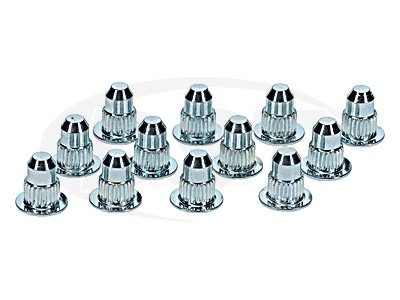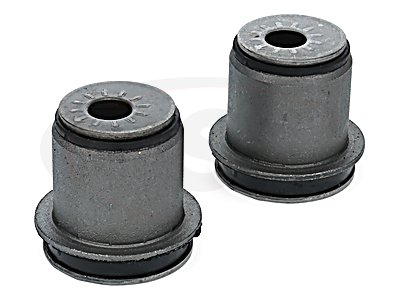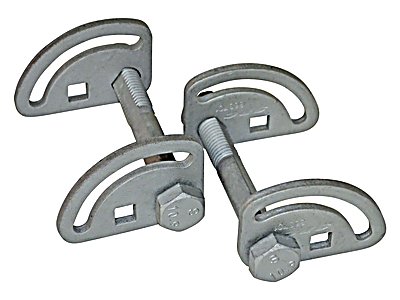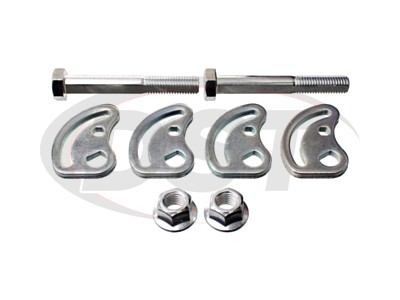


Front End Steering Rebuild Kits
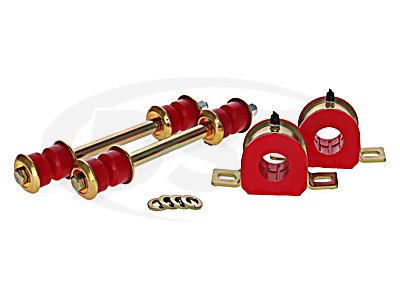
Package kits bundle the wearing front end parts for this truck in one order, usually for less than buying them one by one.
This interactive diagram shows the front suspension, steering, driveline and rear suspension of the 2002 GMC Sierra 1500 2WD. Hover over or tap any part to see what it does, the signs that it is worn, and the replacement parts we carry that fit your truck, down to the side and position.
We carry parts for it Not stocked yet Hover or tap any part.
The 1999 to 2006 Silverado and Sierra 1500 2WD uses independent front suspension with upper and lower control arms. The lower arm is a stamped steel arm with a round cup that holds the coil spring, and the ball joints carry the knuckle. Rack and pinion steering with rubber bellows moves the tie rods. The rear is a solid axle on leaf springs with a shock at each side, and the extended cab has a two piece driveshaft with a center support bearing. The front shock stands inside each coil spring, bolted to the lower arm by a cross bar and to the frame coil pocket by its stem.
We carry replacement parts for 38 of the 46 components on this diagram, 262 parts in all. See every part for the 2002 GMC Sierra 1500 2WD.
Package kits bundle the wearing front end parts for this truck in one order, usually for less than buying them one by one.
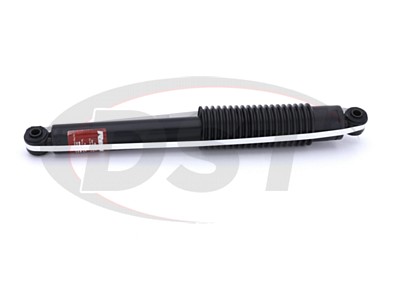
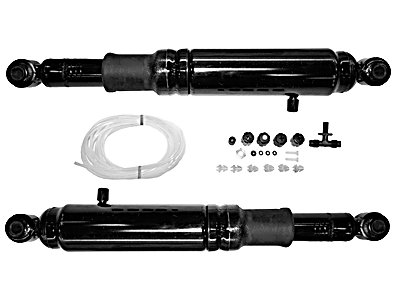
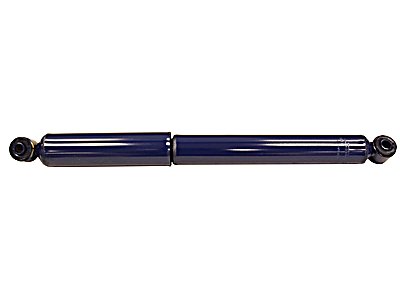
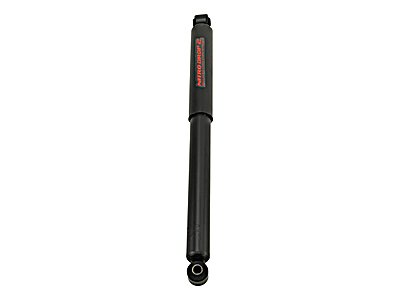
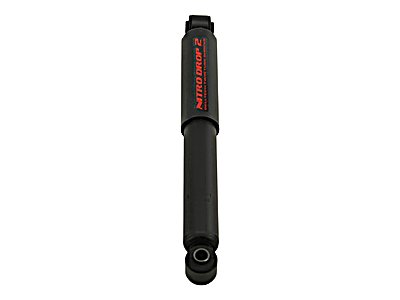
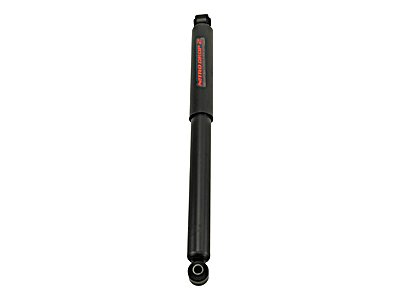
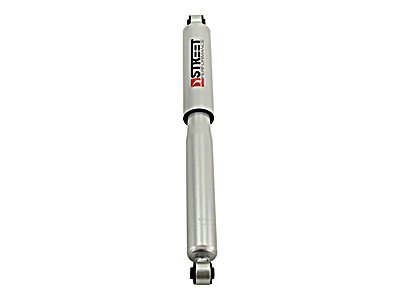
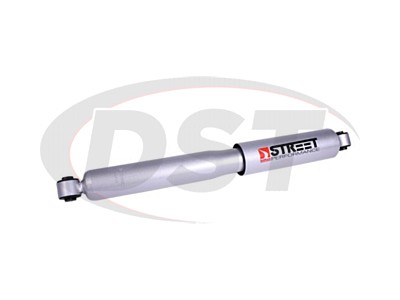
Front and rear shock sets for the whole truck.
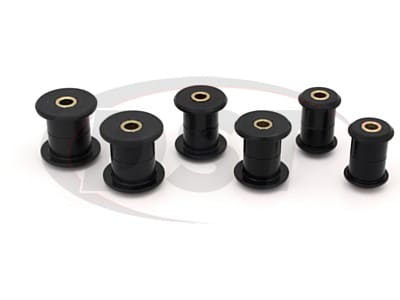
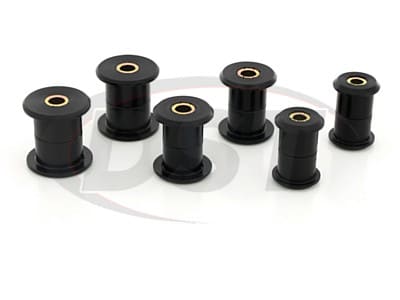
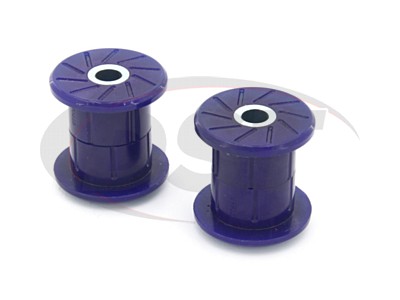
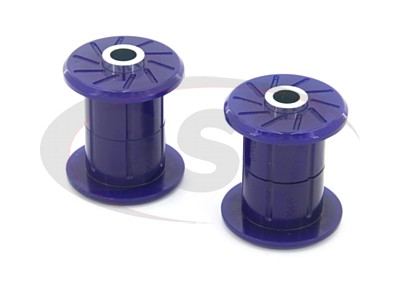
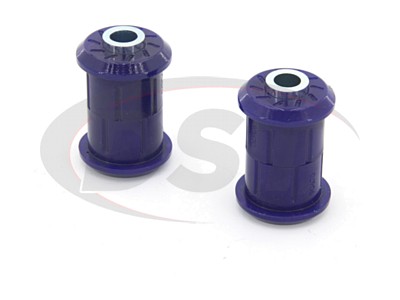
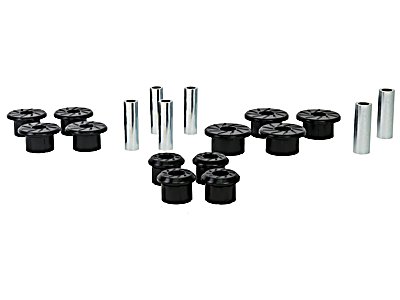
One kit with the suspension bushings for the whole truck.
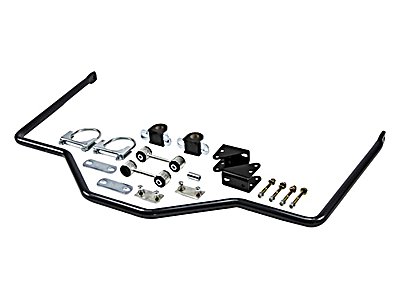
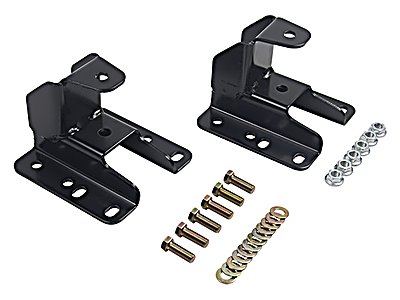
An add-on rear sway bar that clamps to the axle and bolts to new frame brackets, to reduce body roll when towing or loaded.
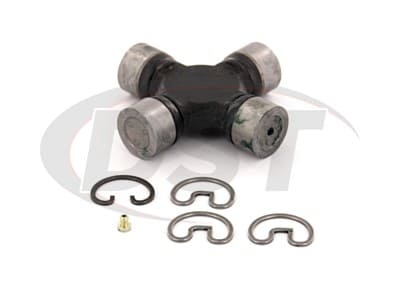
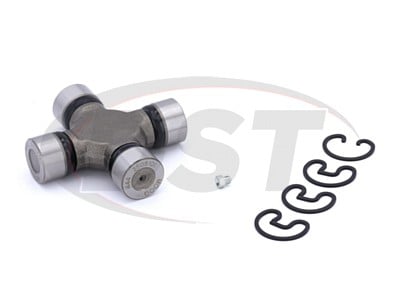
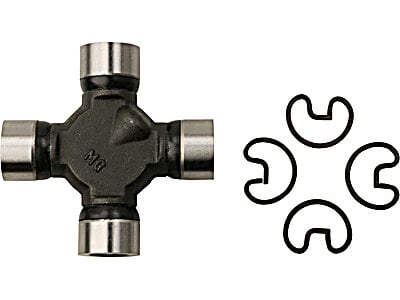
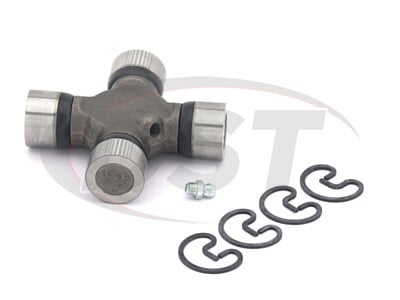
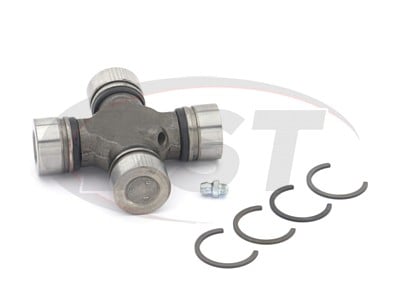
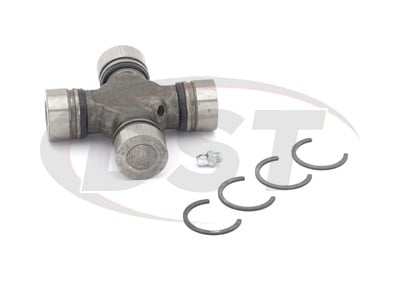
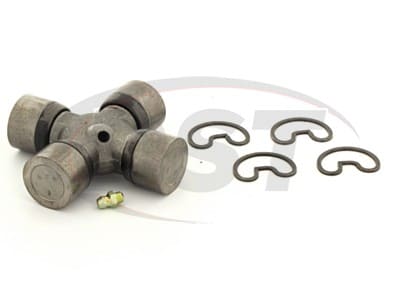
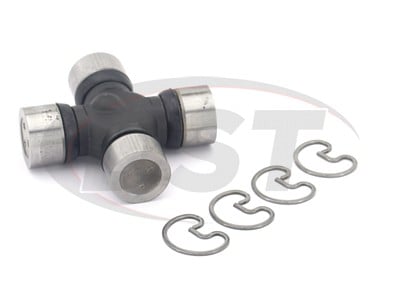
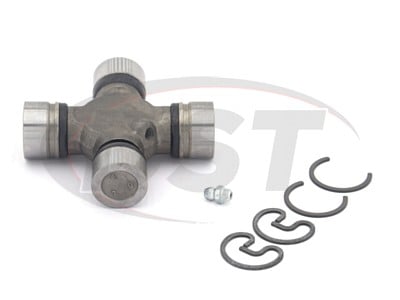
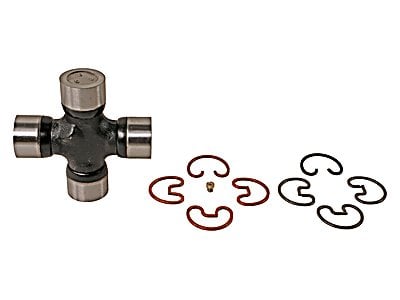
All the U-joints for the driveline in one order. Packages differ by cab and by Quadrasteer, so check the title.
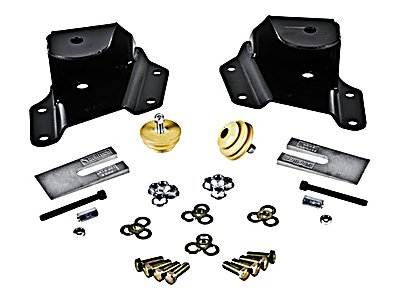
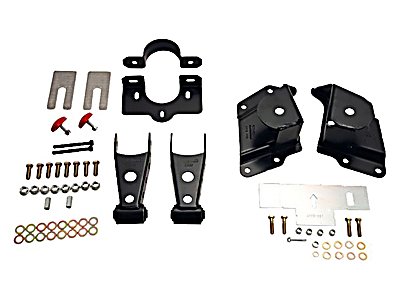
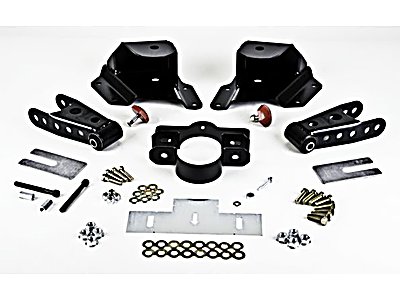
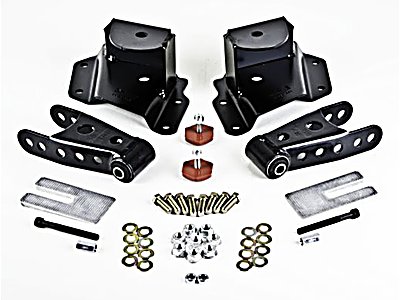
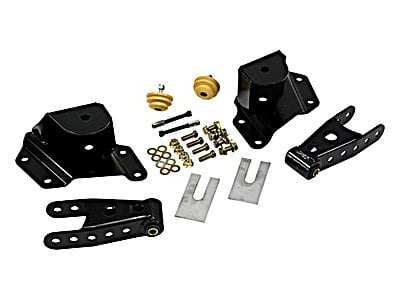
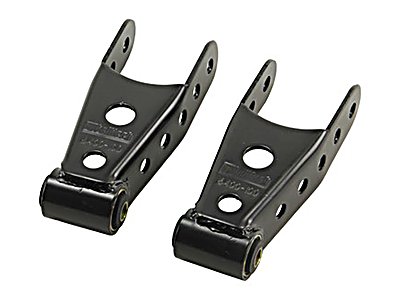
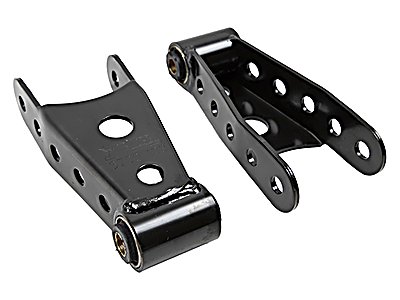
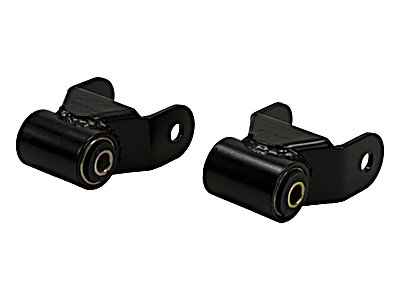
Hanger, shackle and key sets that change ride height at both ends of the truck.
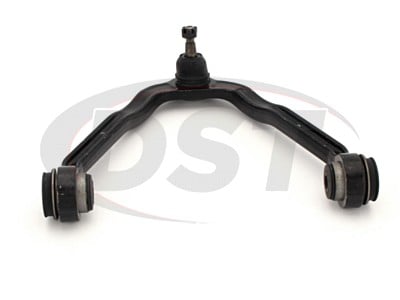
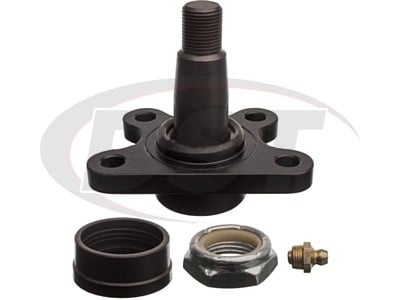
The upper ball joint is the top pivot between the upper control arm and the steering knuckle. It lets the knuckle turn and move with the suspension.
Signs of wear: Clunking over bumps, wandering steering, uneven tire wear, or play when the wheel is rocked top to bottom.
Tip: The joint is pressed into the arm, with its stud pointing down into the knuckle. Many owners replace the whole arm with a new joint already fitted.
See all Front Upper Ball Joint parts for the 2002 GMC Sierra 1500 2WD
The lower ball joint is pressed into the lower control arm, with its stud pointing down into the knuckle and the nut underneath. It carries the weight of the front of the truck.
Signs of wear: Clunks over bumps, a loose feel in the front end, or play when the wheel is rocked top to bottom with the truck on a jack.
Tip: Support the lower arm before separating the joint, because the coil spring is still loading it. Get an alignment afterward.
See all Front Lower Ball Joint parts for the 2002 GMC Sierra 1500 2WD
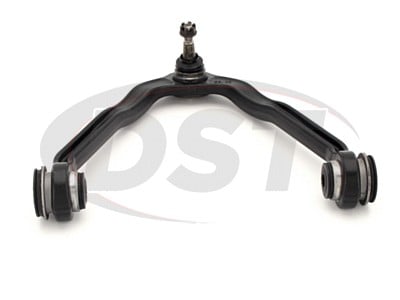
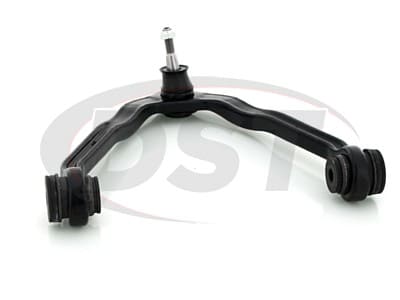
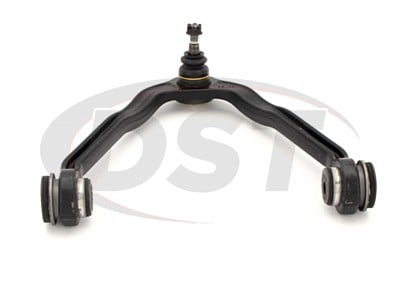
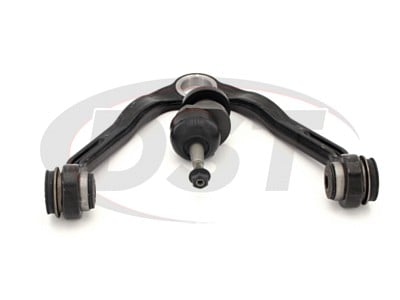
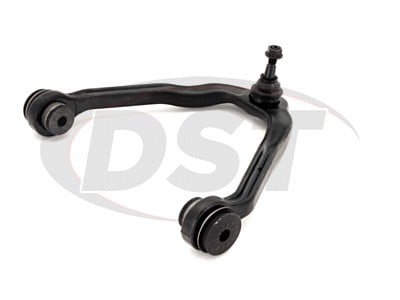
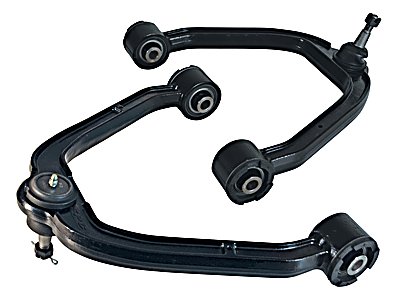
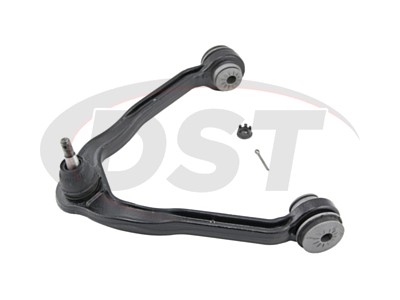
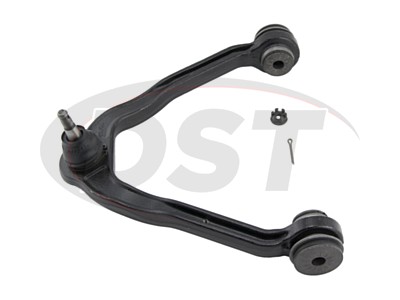
A forged, forked arm that holds the top of the knuckle. Its two inner bushings pivot on cam bolts at the frame, and the ball joint is at the outer end.
Signs of wear: Clunks, torn inner bushings, a worn ball joint, or an alignment that will not hold.
Tip: An assembly with new bushings and a new ball joint saves pressing each one.
See all Front Control Arm parts for the 2002 GMC Sierra 1500 2WD
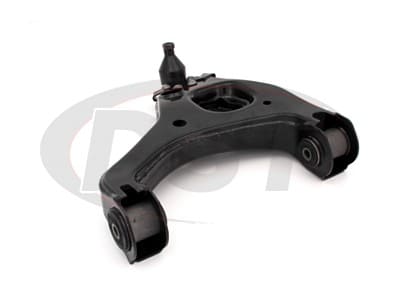
The stamped steel arm that carries the load. A round cup in the arm holds the coil spring, the shock bolts to it, and the sway bar link passes through it.
Signs of wear: Clunks over bumps, torn bushings, a loose ball joint, or uneven tire wear.
Tip: Left and right lower arms are different parts. Compress or support the coil spring before removing one.
See all Front Control Arm parts for the 2002 GMC Sierra 1500 2WD
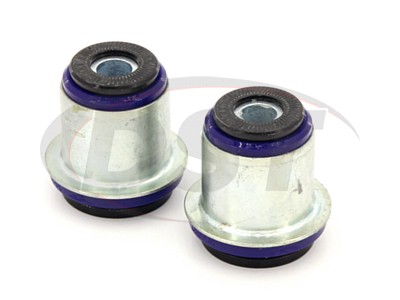
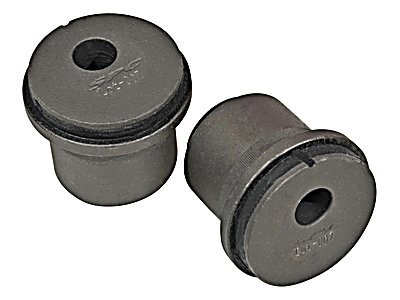
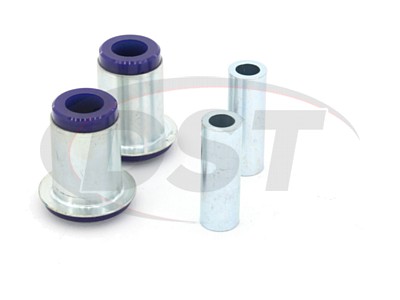
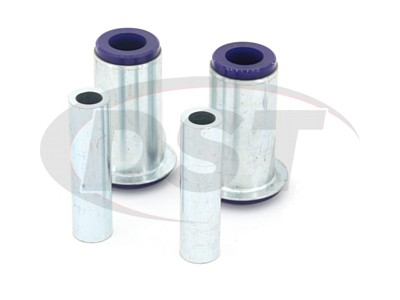
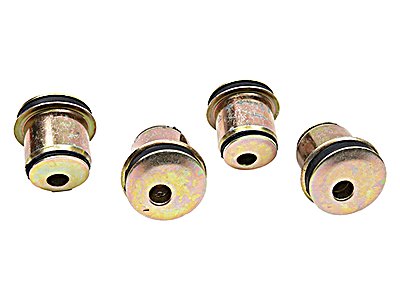
Rubber bushings pressed into the inner ends of the upper arm. They let the arm pivot on its bolts without metal to metal contact.
Signs of wear: Clunks on braking or over bumps, visible cracks in the rubber, or caster and camber that drift out of spec.

See all Front Control Arm Bushings parts for the 2002 GMC Sierra 1500 2WD
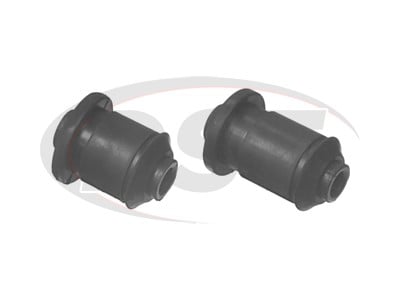
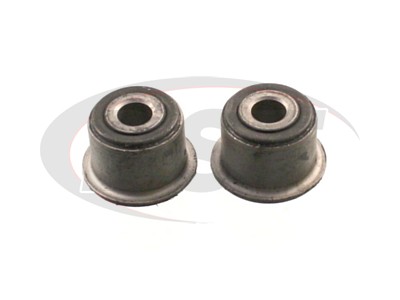
Two different bushings in the lower arm, a forward one and a larger rearward one. They locate the arm and take braking and bump loads.
Signs of wear: Clunks when braking or turning, wandering, or torn rubber at the arm pivots.
Tip: The forward and rearward bushings are not the same size. Check which one you need.
See all Front Control Arm Bushings parts for the 2002 GMC Sierra 1500 2WD
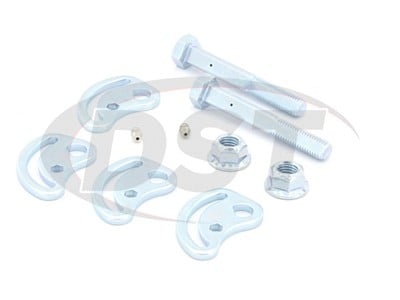
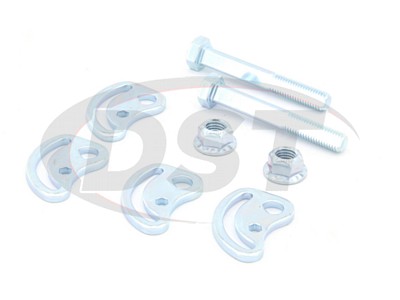
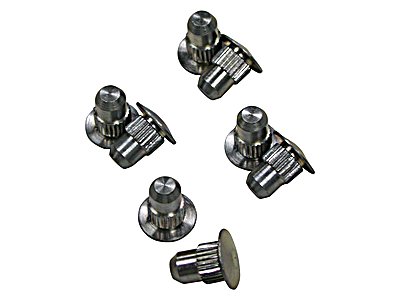
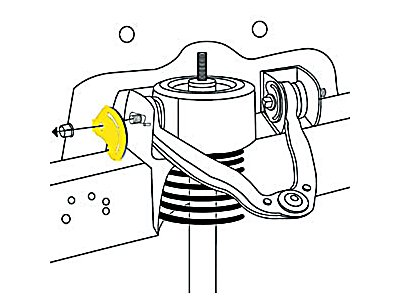
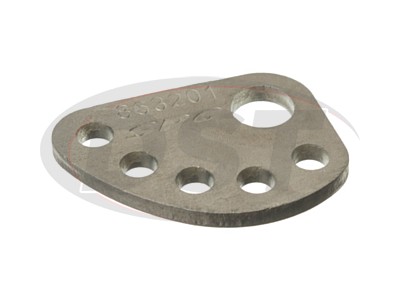
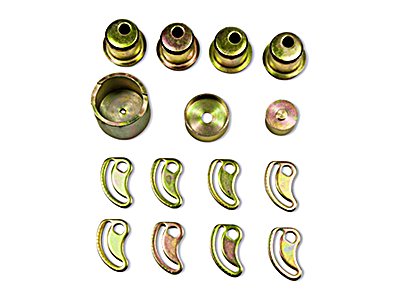
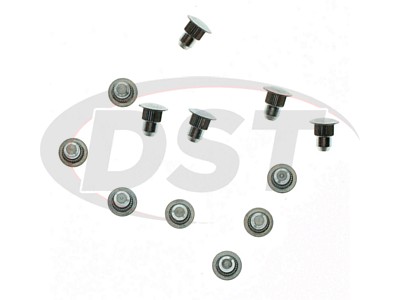
The upper control arms mount on cam bolts and plates. Turning them moves the arm to set caster and camber.
Signs of wear: An alignment shop cannot reach spec, or the truck pulls after front end work or a lift.
Tip: Adjustable kits add range for leveled trucks.
See all Front End Alignment Kit parts for the 2002 GMC Sierra 1500 2WD
The casting that joins the upper and lower ball joints, holds the hub and takes the tie rod on its steering arm.
Signs of wear: Rarely wears out. Replace it after accident damage, or if a tapered ball joint hole is worn.
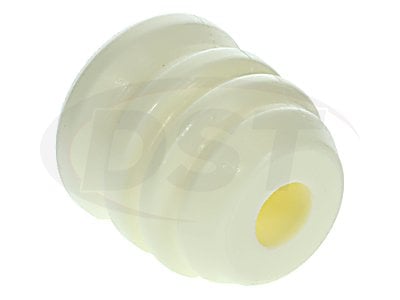
A round rubber bumper on a frame bracket. The flat paddle on the rear leg of the lower control arm lands on it at full compression.
Signs of wear: A harsh bang when the suspension bottoms out, or a cracked or missing bumper.
See all Front Bump Stops parts for the 2002 GMC Sierra 1500 2WD
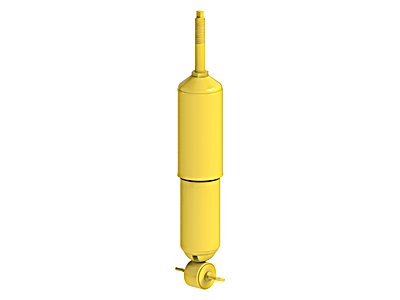
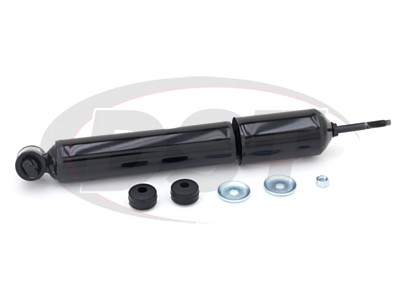
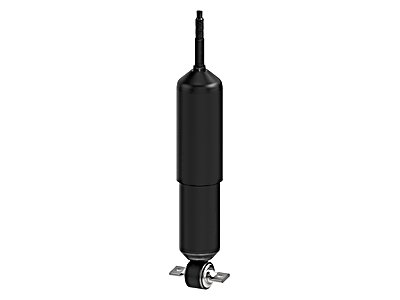
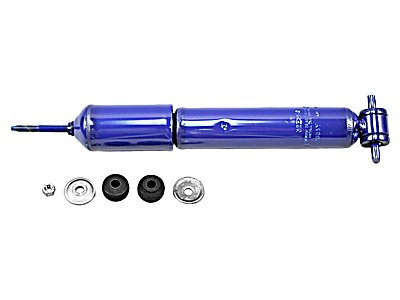
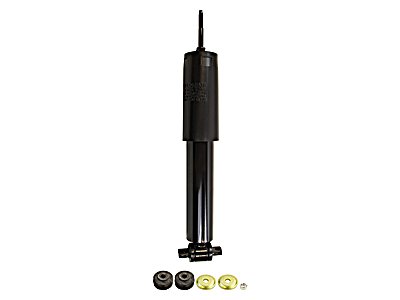
The front shock runs from the lower control arm up through the upper arm to a frame bracket. A fork at its lower end straddles the arm on a small bushing.
Signs of wear: Bouncing after bumps, nose dive on braking, leaking fluid, or cupped tires.
Tip: Replace in pairs, and check the small bushing in the arm while you are there. A leveling kit may call for a longer shock.
See all Front Shock Absorber parts for the 2002 GMC Sierra 1500 2WD
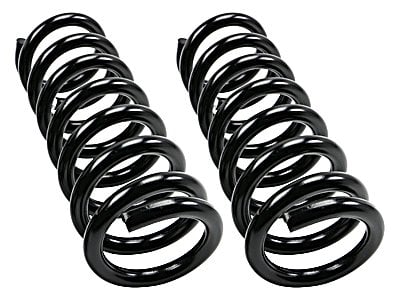
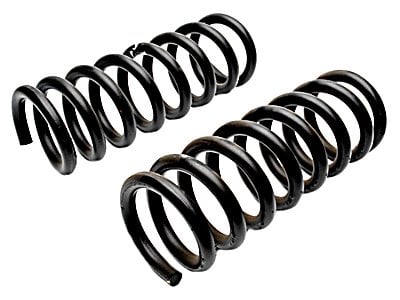
The coil spring is the front spring on the 2WD truck. It sits in a round cup pressed into the lower control arm and pushes up against a pocket on the frame.
Signs of wear: A front end that sags, sits lower on one side, or bottoms out over bumps.
Tip: Replace springs in pairs so the truck sits level, and get an alignment afterward. Some 2004 to 2006 2WD trucks list a torsion bar front end instead, so check yours first.
See all Front Coil Springs parts for the 2002 GMC Sierra 1500 2WD
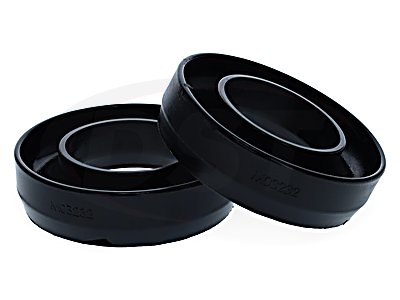
A rubber seat between the top of the coil spring and its frame pocket, and another under the spring in the arm cup.
Signs of wear: A clunk or squeak from the front end over bumps, or a spring that has shifted in its seat.
Tip: Fit new seats whenever the coil spring is out.

See all Front Coil Spring Isolator Pads parts for the 2002 GMC Sierra 1500 2WD
A steel bar across the front of the truck, ahead of the steering, that links the two lower arms to reduce body roll.
Signs of wear: Extra body roll, or a bar that is bent or loose.
See all Front Sway Bar parts for the 2002 GMC Sierra 1500 2WD
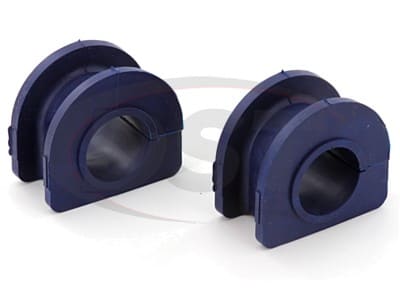
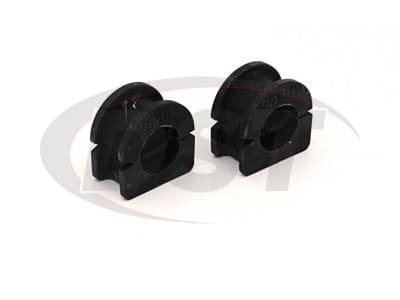
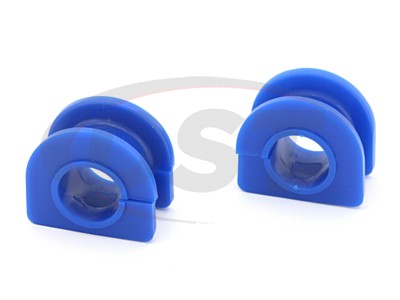
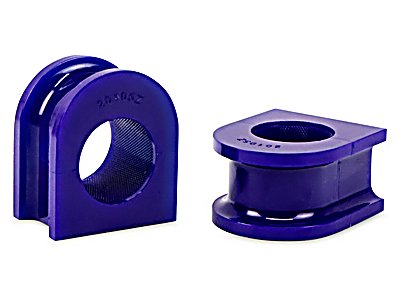
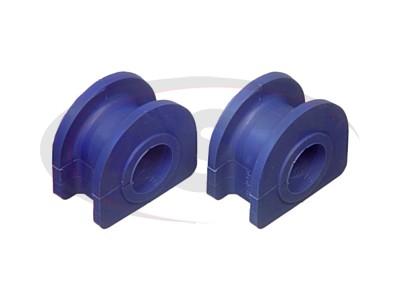
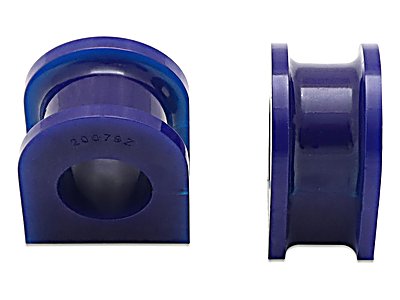
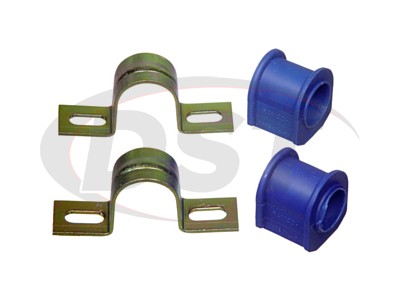
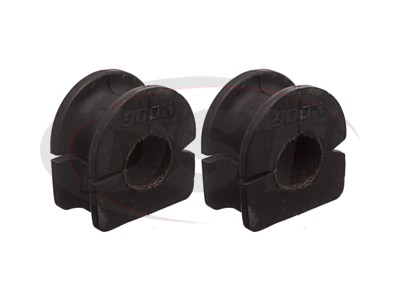
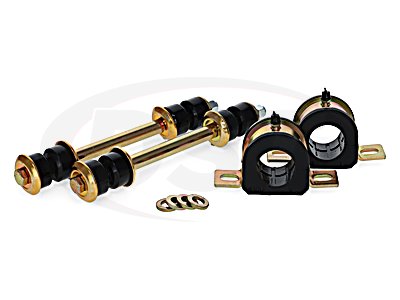
Two rubber or polyurethane bushings clamp the sway bar to the frame.
Signs of wear: Clunks or squeaks over bumps, or a bar that shifts side to side.
Tip: Bar size varies by truck. Measure yours before you order.
See all Front Sway Bar Bushings parts for the 2002 GMC Sierra 1500 2WD
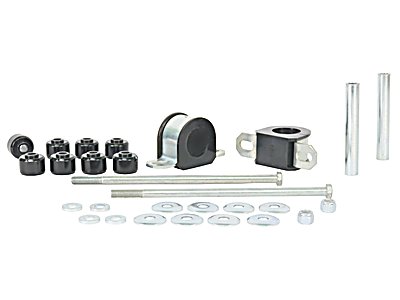
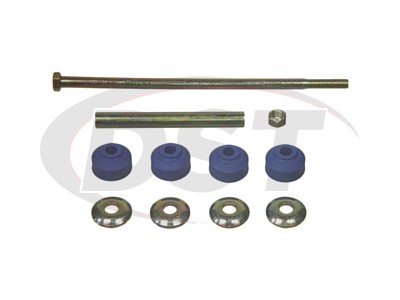
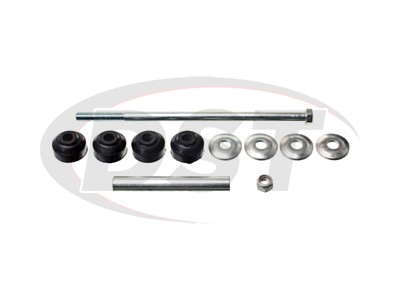
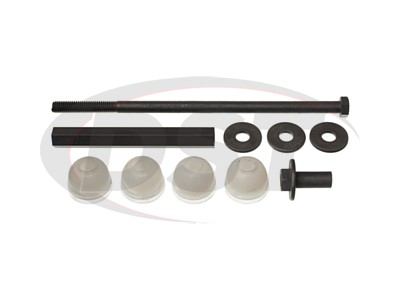
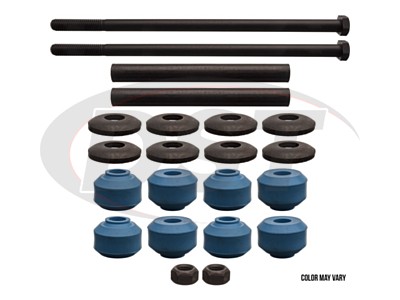
A long bolt, spacer sleeve and stack of bushings that connects the end of the sway bar to the lower control arm.
Signs of wear: Rattles over small bumps, torn bushings, or a broken bolt.
Tip: Replace both sides together.
See all Front Sway Bar Endlinks parts for the 2002 GMC Sierra 1500 2WD
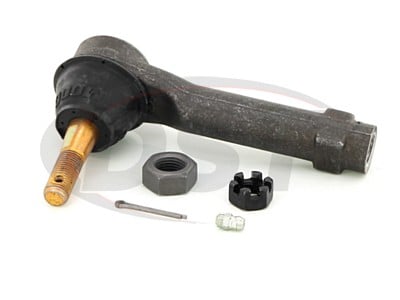
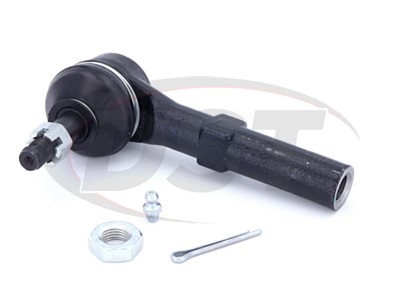
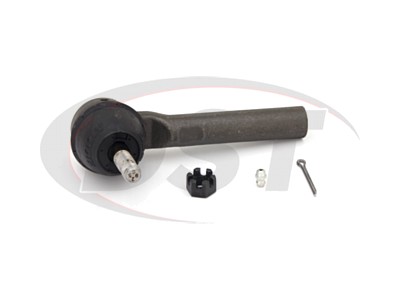
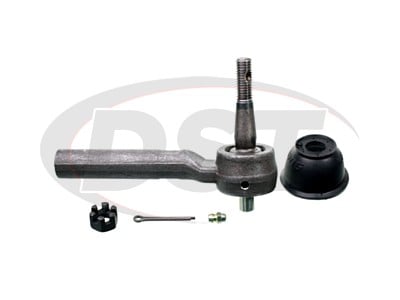
The outer tie rod end connects the tie rod to the steering arm on the knuckle, with its stud pointing down. It threads straight onto the inner tie rod, with no adjusting sleeve.
Signs of wear: Loose steering, tire wear on the inner or outer edge, or play when the wheel is shaken side to side.
Tip: Count the threads when you remove it, then get an alignment. Replace in pairs. Rack steering parts are for 2WD trucks and do not fit here.
See all Front Outer Tie Rod End parts for the 2002 GMC Sierra 1500 2WD
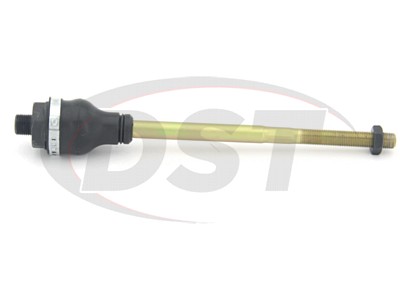
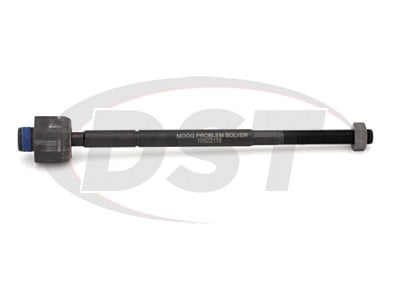
The inner tie rod threads into the end of the center link and carries steering movement out toward the wheel.
Signs of wear: Clunks or looseness in the steering, or wandering at highway speed.
Tip: Rack steering inner rods are for 2WD trucks and do not fit here.
See all Front Inner Tie Rod End parts for the 2002 GMC Sierra 1500 2WD
The steering rack sits across the truck behind the front axle line. The steering shaft turns a pinion that slides the rack, and an inner tie rod at each end carries the motion out to the steering arms.
Not on every vehicle: Drawn from the extended cab 2WD truck in NHTSA test 4472. A gear steered truck (pitman and idler arms) is listed in our parts data for the same years and is not drawn.
Signs of wear: Loose or wandering steering, fluid on the bellows, or a clunk when the wheel turns.
A ribbed rubber boot over each end of the rack keeps dirt out of the rack and the inner tie rod joint.
Signs of wear: A torn boot, grease on the inside of the wheel, or a rack that leaks.
Tip: Replace a torn boot at once. Dirt in the rack ruins it.
See all Steering Rack Bellow parts for the 2002 GMC Sierra 1500 2WD
Rubber bushings hold the rack to the crossmember.
Signs of wear: A clunk when the steering turns, or loose, vague steering at center.
Tip: Replace the bushings when you replace the tie rods or the bellows.
See all Steering Rack Bushings parts for the 2002 GMC Sierra 1500 2WD
On a Quadrasteer truck the rear wheels steer. The rear outer tie rod end joins the rear tie rod to the steering arm on each rear knuckle.
Not on every vehicle: Trucks with Quadrasteer rear wheel steering (GM option NYS), offered on 2002 to 2005 extended cab short box trucks. Most trucks have a fixed rear axle without these parts.
Signs of wear: A rear wheel that sits crooked, rear tire wear, a clunk from the rear when turning, or a torn boot.
Tip: Fits only trucks with Quadrasteer. Listed here, not drawn: the steering rear axle is not shown on this diagram.
See all Rear Tie Rod End parts for the 2002 GMC Sierra 1500 2WD
The rear inner tie rod end joins the rear tie rod to the Quadrasteer steering actuator on the rear axle.
Not on every vehicle: Trucks with Quadrasteer rear wheel steering (GM option NYS), offered on 2002 to 2005 extended cab short box trucks. Most trucks have a fixed rear axle without these parts.
Signs of wear: Play or a clunk in the rear steering, or rear tire wear.
Tip: Fits only trucks with Quadrasteer. Listed here, not drawn: the steering rear axle is not shown on this diagram.
See all Rear Tie Rod End parts for the 2002 GMC Sierra 1500 2WD
The U-joint at the front of the rear driveshaft.
Signs of wear: A clunk when shifting from park to drive, or a vibration that rises with speed.
Tip: Joint size depends on the driveline and the shaft material. Check your truck, because more than one size was fitted.
On the extended cab 2WD truck the rear driveshaft is in two pieces. A center support bearing holds the middle of the shaft under the cab, with a U-joint just behind it.
Not on every vehicle: Not on every truck. The regular cab has a one-piece shaft with no support bearing.
Signs of wear: A vibration at highway speed, a rumble under the cab, or a torn bearing mount.
The U-joint at the rear differential.
Signs of wear: A clunk when taking off, or a vibration under load.
The rear springs are multi leaf packs that sit on top of the axle, outboard of the frame rails, and locate the axle as well as carry the load.
Signs of wear: A sagging rear end, cracked or shifted leaves, or a clunk from a broken center bolt.
Tip: Spring packs vary with capacity.
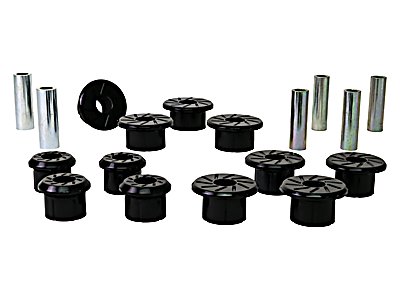
Bushings in the eyes of the leaf spring, at the front hanger and at the shackle.
Signs of wear: Squeaks over bumps, clunks when taking off, or rear steer.
See all Rear Leaf Spring Bushings parts for the 2002 GMC Sierra 1500 2WD
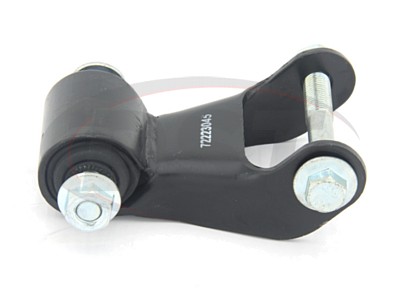
The shackle links the rear eye of the spring to the frame bracket, so the spring can change length as it flexes.
Signs of wear: Squeaks, worn bolt holes, or a shackle at an odd angle.
Tip: Longer and shorter shackles change rear ride height a little.
See all Rear Leaf Spring Shackles parts for the 2002 GMC Sierra 1500 2WD
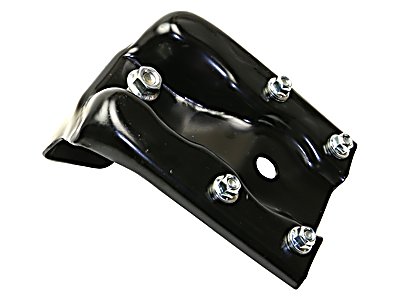
The bracket bolted to the side of the frame rail that carries the upper end of the shackle.
Signs of wear: Rust through, cracks at the bolts, or a shackle that sits crooked.
Tip: Replace in pairs.
See all Rear Leaf Spring Shackles parts for the 2002 GMC Sierra 1500 2WD
U-bolts clamp the leaf spring and spring pad to the axle tube.
Signs of wear: A clunk on take off, or an axle that has shifted on the spring.
Tip: Fit new U-bolts when the old ones are removed.
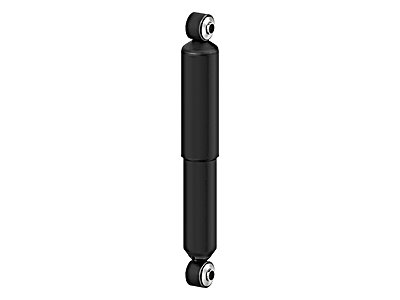
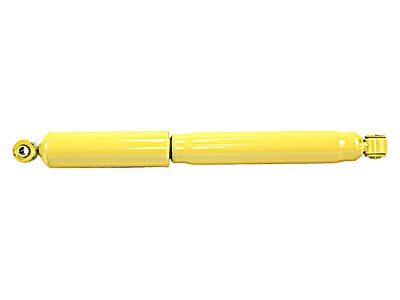
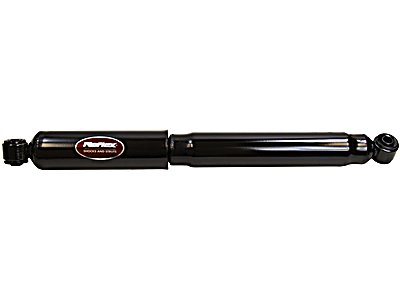
The rear shocks are staggered. The passenger shock leans forward from the axle to a frame crossmember and the driver shock leans rearward to the next crossmember, which helps control axle wrap.
Signs of wear: Bouncing, a loose rear end under load, leaks, or cupped rear tires.
Tip: Replace in pairs.
See all Rear Shock Absorber parts for the 2002 GMC Sierra 1500 2WD
A rubber bumper under the frame rail that the axle reaches at full compression.
Signs of wear: A hard bang over big bumps when loaded.
Quadrasteer rear knuckles pivot on an upper and a lower ball joint at each end of the rear axle, the way a front knuckle does.
Not on every vehicle: Trucks with Quadrasteer rear wheel steering (GM option NYS), offered on 2002 to 2005 extended cab short box trucks. Most trucks have a fixed rear axle without these parts.
Signs of wear: A clunk from the rear over bumps or when turning, or play when the rear wheel is rocked top to bottom.
Tip: Fits only trucks with Quadrasteer. Listed here, not drawn: the steering rear axle is not shown on this diagram.
See all Rear Upper Ball Joint parts for the 2002 GMC Sierra 1500 2WD
The lower pivot of the Quadrasteer rear knuckle at each end of the rear axle.
Not on every vehicle: Trucks with Quadrasteer rear wheel steering (GM option NYS), offered on 2002 to 2005 extended cab short box trucks. Most trucks have a fixed rear axle without these parts.
Signs of wear: A clunk from the rear over bumps or when turning, or play when the rear wheel is rocked top to bottom.
Tip: Fits only trucks with Quadrasteer. Listed here, not drawn: the steering rear axle is not shown on this diagram.
A sealed bearing and hub bolted to the knuckle with three bolts. The CV axle splines through it and the wheel bolts to its six studs.
Signs of wear: A growl that changes when you swerve, play at the wheel, or a wheel speed sensor fault.
See all Front Wheel Bearing and Hub Assembly parts for the 2002 GMC Sierra 1500 2WD
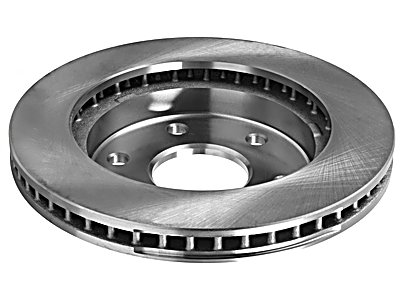
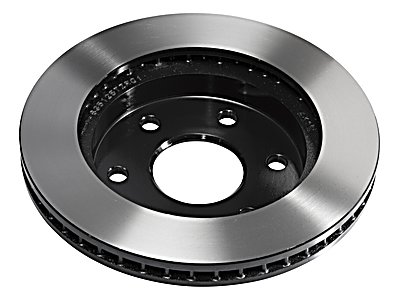
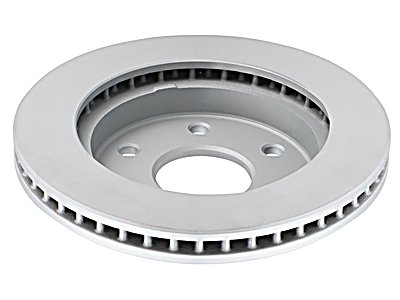
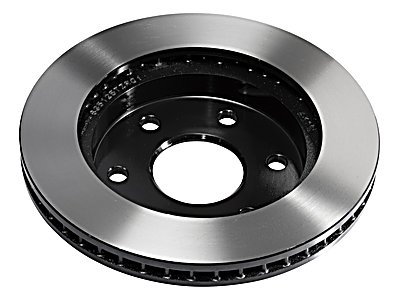
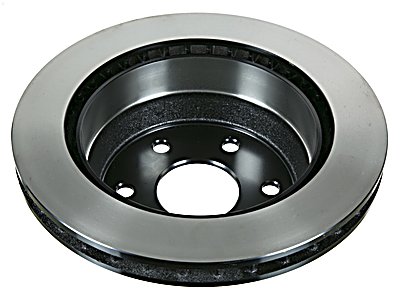
The 12 inch vented front rotor. It slips over the hub and is held on by the wheel.
Signs of wear: Pulsing in the pedal, grooves, or a shake when braking.
Tip: Replace in pairs. Some 2005 to 2007 trucks with rear drums use a larger 13 inch front rotor, so check before ordering.
See all Front Brake Rotor parts for the 2002 GMC Sierra 1500 2WD
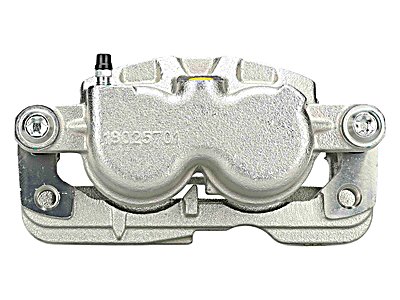
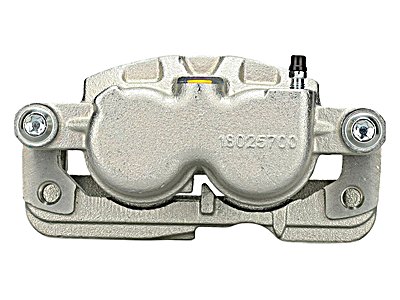
The caliper squeezes the pads against the rotor.
Signs of wear: Pull to one side when braking, uneven pad wear, or a brake fluid leak.
See all Front Brake Caliper parts for the 2002 GMC Sierra 1500 2WD
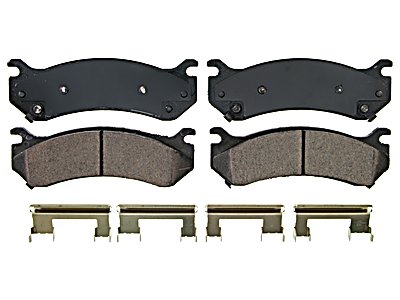
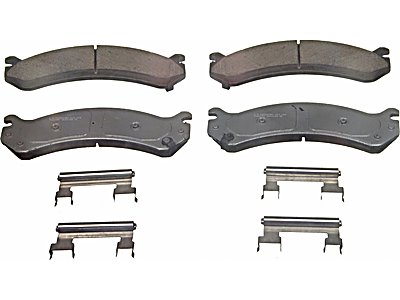
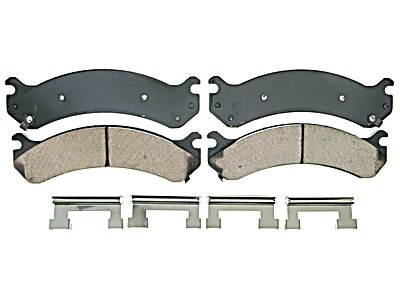
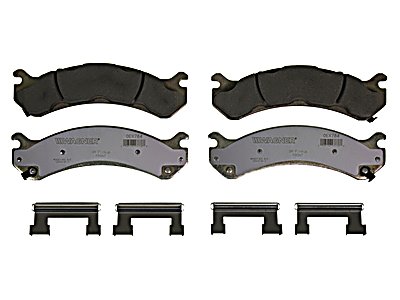
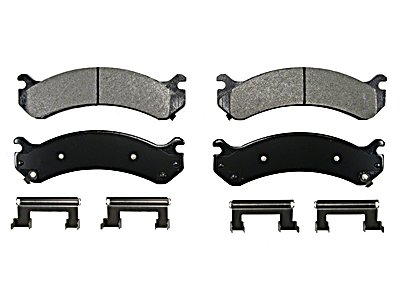
Friction pads on either side of the rotor, shown lifted out of the caliper.
Signs of wear: Squealing, grinding, or a longer stopping distance.
See all Front Brake Pads parts for the 2002 GMC Sierra 1500 2WD
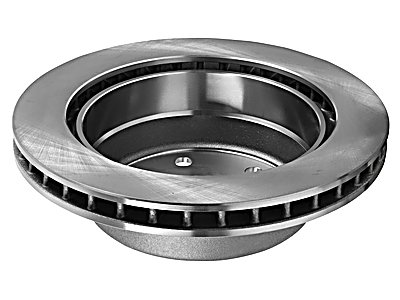
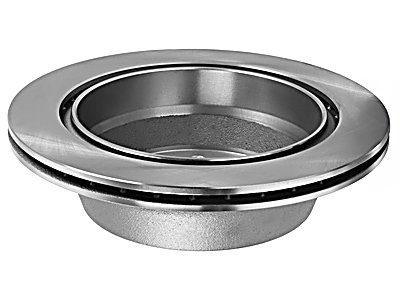
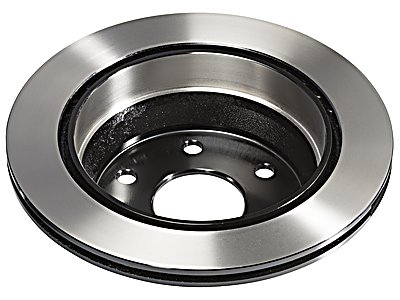
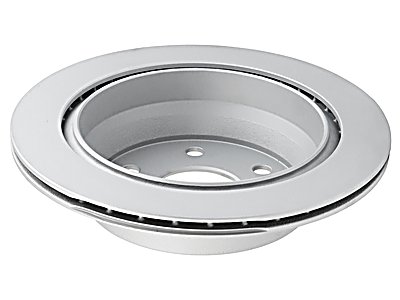
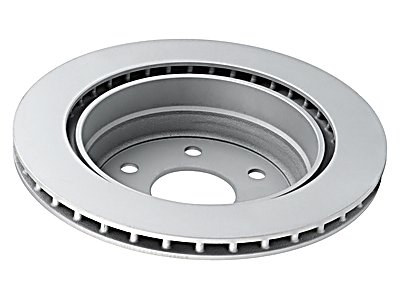
The 325 mm vented rear rotor, with the parking brake drum inside its hat. Some 2005 to 2007 trucks use a rear drum in place of this disc, and those drums are listed here too.
Not on every vehicle: Fitted to trucks with rear disc brakes. Some 2005 to 2007 trucks have rear drum brakes instead, with a 330 mm front rotor.
Signs of wear: Pulsing when braking, or scoring on the surface.
See all Rear Brake Rotor parts for the 2002 GMC Sierra 1500 2WD
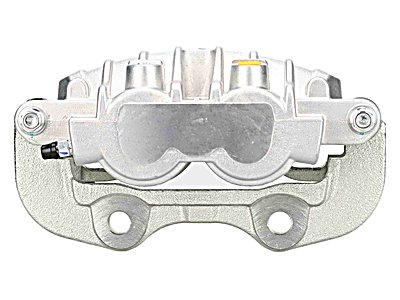
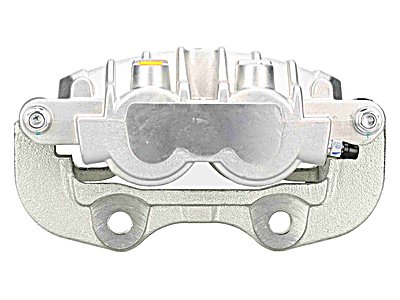
The rear caliper squeezes the rear pads against the rotor. It has one piston on the inboard side.
Not on every vehicle: Fitted to trucks with rear disc brakes. Some 2005 to 2007 trucks have rear drum brakes instead, with a 330 mm front rotor.
Signs of wear: Dragging, uneven pad wear, or a leak.
See all Rear Brake Caliper parts for the 2002 GMC Sierra 1500 2WD
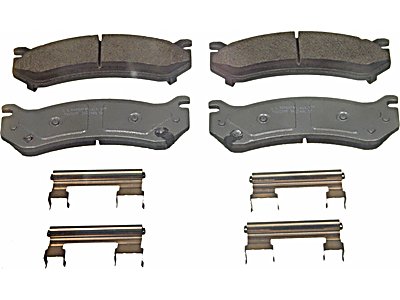
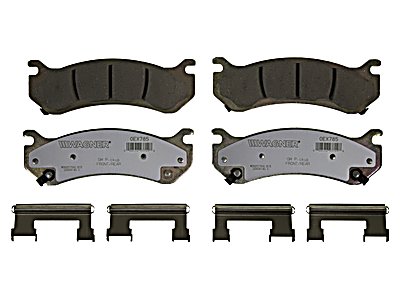
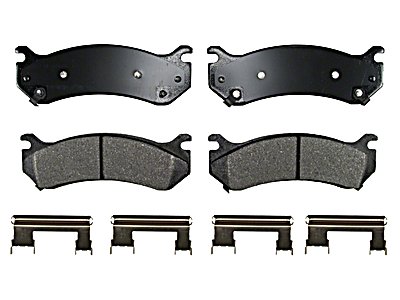
Rear friction pads, shown lifted out of the caliper.
Not on every vehicle: Fitted to trucks with rear disc brakes. Some 2005 to 2007 trucks have rear drum brakes instead, with a 330 mm front rotor.
Signs of wear: Squealing, grinding, or a soft pedal.
See all Rear Brake Pads parts for the 2002 GMC Sierra 1500 2WD
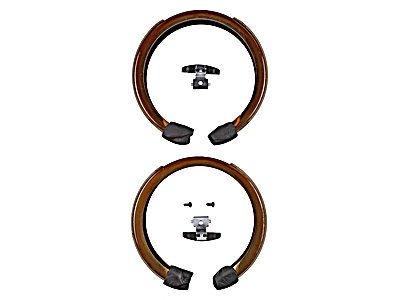
Small shoes inside the hat of the rear rotor, shown pulled out past the axle flange. They hold the truck when parked. Trucks with rear drums use the full size shoes listed here.
Not on every vehicle: Fitted to trucks with rear disc brakes. Some 2005 to 2007 trucks have rear drum brakes instead, with a 330 mm front rotor.
Signs of wear: The parking brake will not hold, or the lever travels too far.
See all Parking Brake Shoes parts for the 2002 GMC Sierra 1500 2WD
A Quadrasteer truck carries each rear wheel on a sealed bearing and hub in the steering rear knuckle. Trucks without Quadrasteer have no rear hub: the wheel bolts to the axle shaft flange.
Not on every vehicle: Trucks with Quadrasteer rear wheel steering (GM option NYS), offered on 2002 to 2005 extended cab short box trucks. Most trucks have a fixed rear axle without these parts.
Signs of wear: A growl from the rear that changes when you swerve, or play at the rear wheel.
Tip: Fits only trucks with Quadrasteer. Listed here, not drawn: the steering rear axle is not shown on this diagram.
Listed here, not drawn: some trucks have rear drum brakes instead of the discs drawn here, with two shoes inside each rear drum.
Not on every vehicle: Some 2005 to 2007 trucks have rear drum brakes. The drawing shows the rear disc brakes.
Signs of wear: A weak parking brake, grinding from the rear, or a pedal that sinks lower than before.
Tip: Check whether your truck has rear discs or drums before ordering.
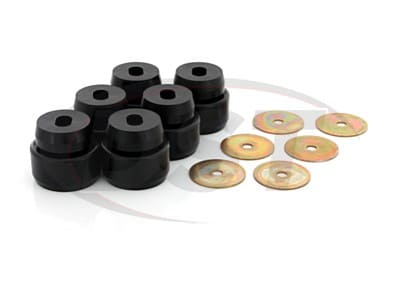
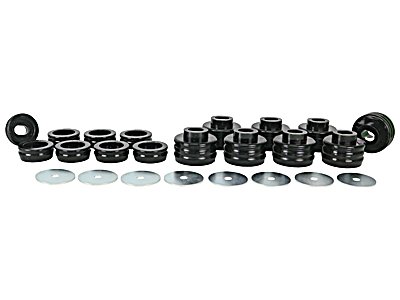
Rubber cushions between the frame and the body, on outriggers for the cab and on the rails for the pickup box.
Signs of wear: A clunk or shift from the body over bumps, or a cab that sits unevenly.
See all Body Mount Bushings Kit parts for the 2002 GMC Sierra 1500 2WD
A rubber mount between the transmission and its crossmember.
Signs of wear: A clunk on shifts, or a vibration at idle in gear.
See all Transmission Mount parts for the 2002 GMC Sierra 1500 2WD
Lower ball joints and tie rod ends wear first, then the control arm bushings and the sway bar links. Check them with the wheels off the ground, because a worn joint shows up as play you can feel by hand.
Coil springs. Every 2002 2WD truck has a coil spring in a cup on each lower control arm, with the shock inside the spring. The torsion bar 2WD front in our parts data is the 2004 to 2006 crew cab, not this year.
The extended cab 2WD truck drawn here does, with a rubber bellows over each end of the rack. Our parts data also lists a steering box with pitman and idler arms for the same years, so match your steering parts to your truck.
No. The 1500 HD uses the heavier front end from the 2500 HD, and its control arms, ball joints and hubs are different parts. Use the 1500 HD listing for that truck.
The drawing is built for the 1999 to 2006 Silverado and Sierra 1500 2WD. The 2007 Classic and the 2007 new body truck are not included. Parts can still change by cab, brakes and options, so the parts shown are the ones listed for the 2002 GMC Sierra 1500 2WD.
Rear disc brakes, with the parking brake shoes inside the hat of each rear rotor. The drawing shows the single piston rear caliper, Wagner CN11035SC on the left and CN11036SC on the right, with OEX792A pads, the 325 mm BD125655E rotor and Z781 parking brake shoes. Our parts data also lists a two piston caliper (CN11169SC and CN11170SC) for some trucks, and a larger 330 mm rotor (BD126032E), so check the caliper and measure the rotor before ordering.
The extended cab truck drawn here has a two piece driveshaft with three U-joints: at the transmission, behind the center support bearing and at the rear axle. Our parts data lists two sizes at each joint: joints with 1.063 in bearing caps (MOOG 354, 444, 254 or 270 with a steel driveshaft yoke, and the 355 or 290 combination joint at the axle) and joints with 1.125 in caps (MOOG 534G, 234 or 235). Measure the bearing caps before ordering.
The front hub and bearing is MOOG 515175 or 515054, a three bolt hub with six studs. The common front sway bar is 1-5/16 in, with MOOG K6439 or K201177 frame bushings; some trucks have a 1-1/8 or 1-3/16 in bar, so measure the bar before ordering bushings. The rack and pinion mount bushing is MOOG K100187.
Numbered diagrams to print or save for the shop. The numbers match the numbered parts on the interactive diagram.