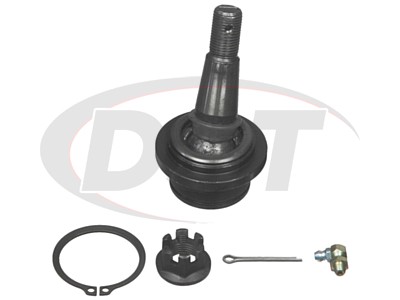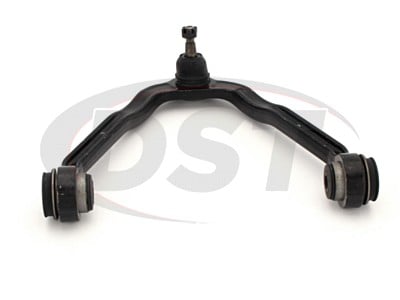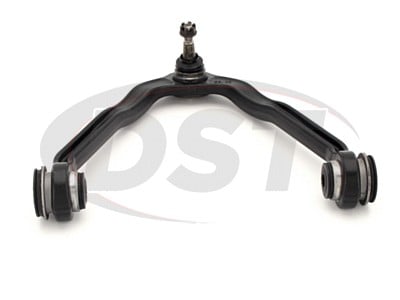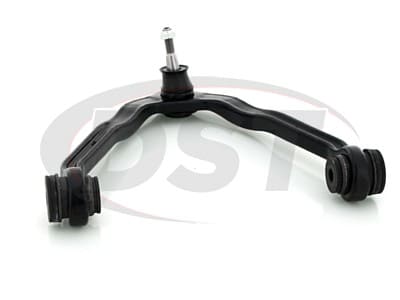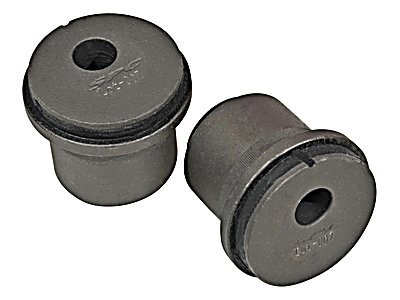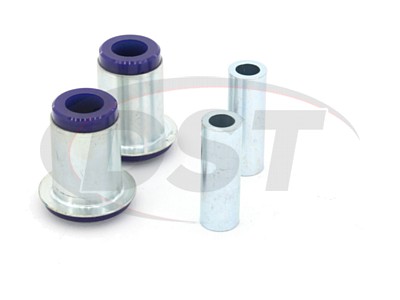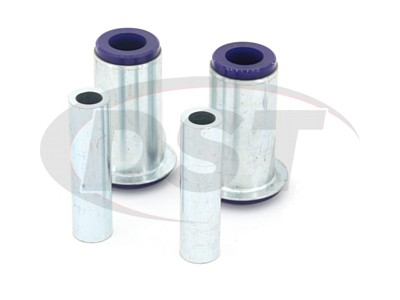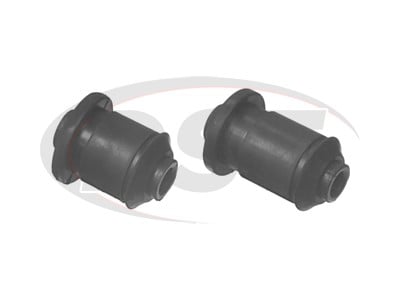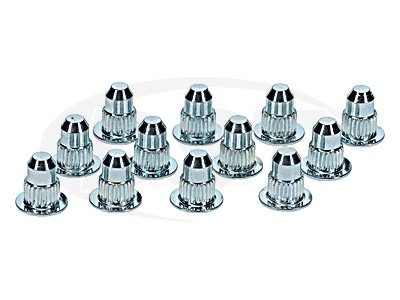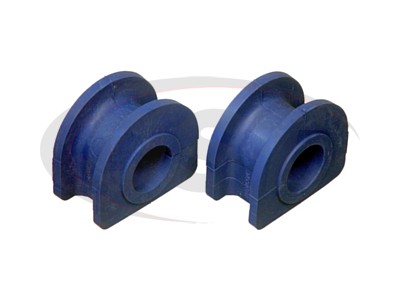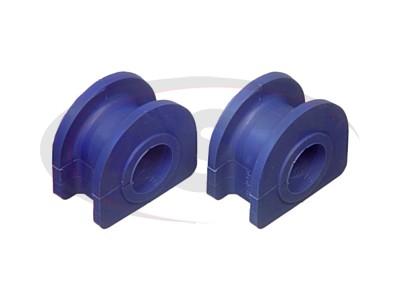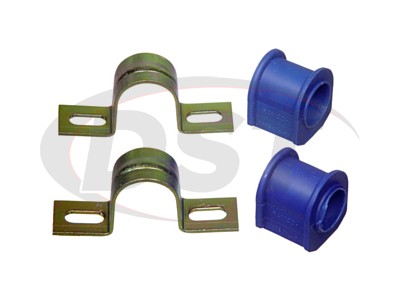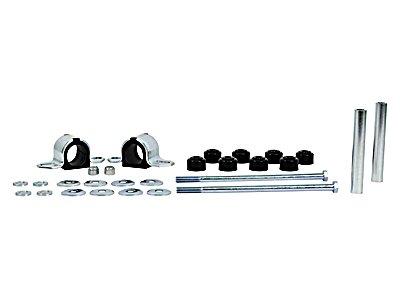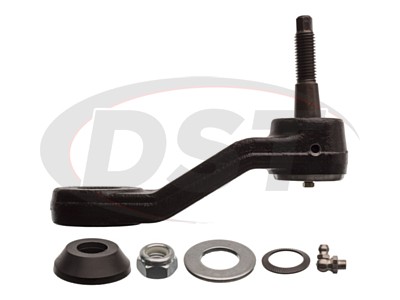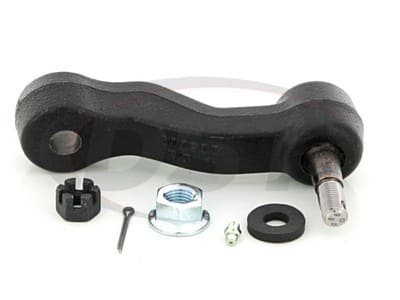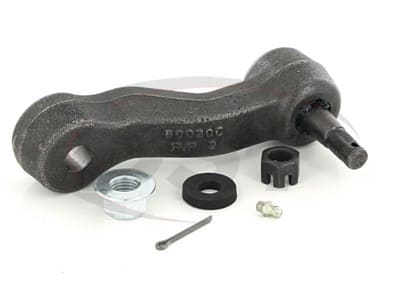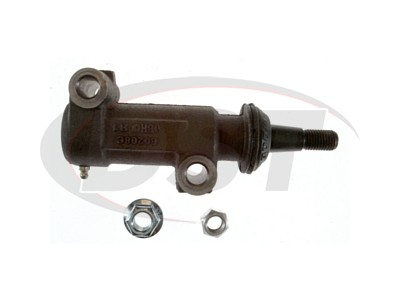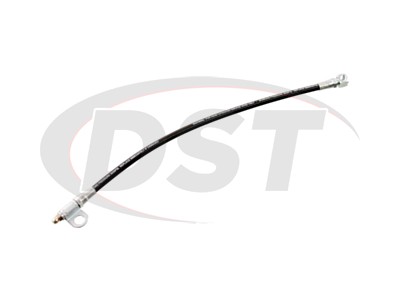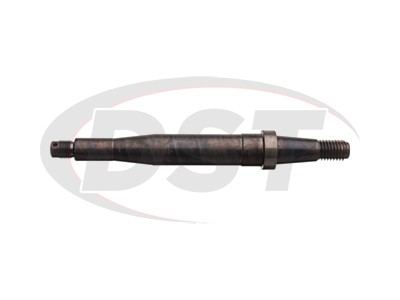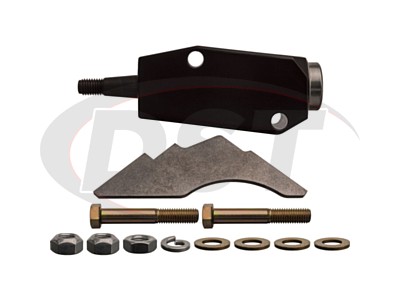


Front End Steering Rebuild Kits
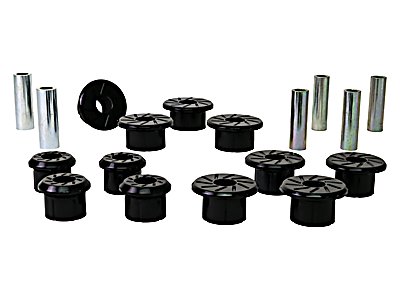
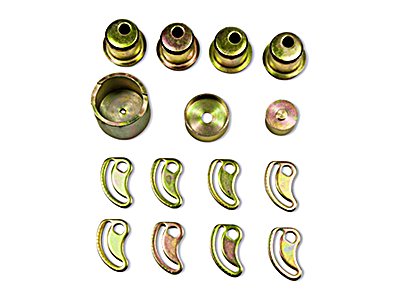
Package kits bundle the wearing front end parts for this truck in one order, usually for less than buying them one by one.
This interactive diagram shows the front suspension, steering linkage, driveline and rear suspension of the 2005 GMC Yukon 4x4. Hover over or tap any part to see what it does, the signs that it is worn, and the replacement parts we carry that fit, down to the side and position.
We carry parts for it Not stocked yet Hover or tap any part.
The 2000 to 2006 Tahoe and Yukon 4WD share their front end with the Silverado 1500 4WD of the same years: forged upper and lower control arms, torsion bars that run back from the lower arms to keys in a crossmember, CV axles from a frame mounted differential, and one straight center link between the pitman arm and the idler arm. The rear is a solid axle on coil springs, located by two lower control arms, two upper control arms and a track bar, with a sway bar bushed to the axle and a one piece driveshaft.
We carry replacement parts for 47 of the 51 components on this diagram, 205 parts in all. See every part for the 2005 GMC Yukon 4WD.
Package kits bundle the wearing front end parts for this truck in one order, usually for less than buying them one by one.
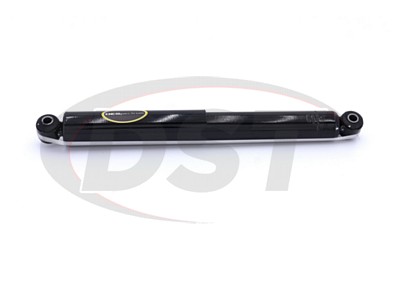
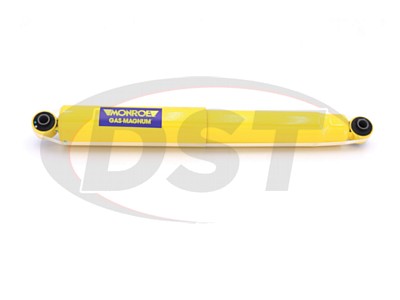
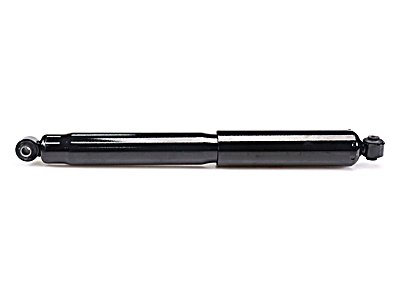
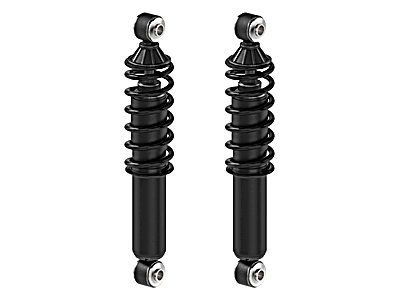
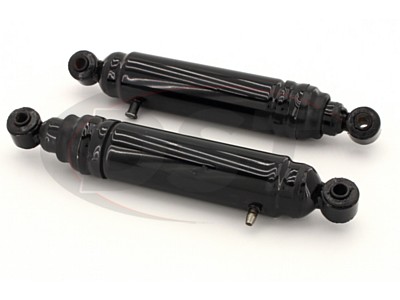
Front and rear shock sets for the whole truck.
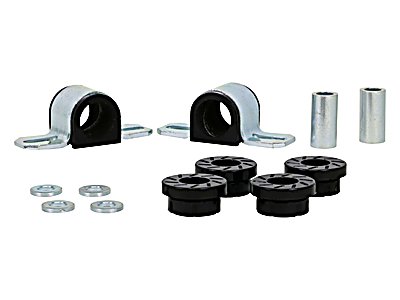
One kit with the suspension bushings for the whole truck.
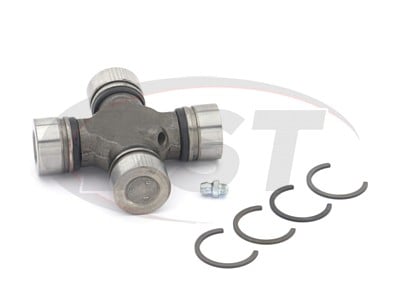
All the U-joints for the driveline in one order.

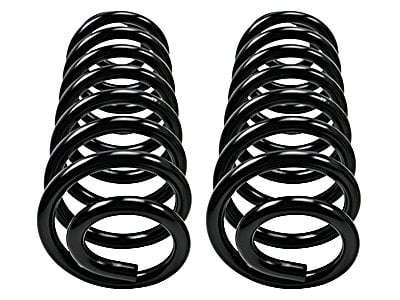
Spring, key and shock sets that change ride height at both ends.
Kits that replace Autoride or self leveling shocks with conventional ones, or shock and spring sets for lowering.
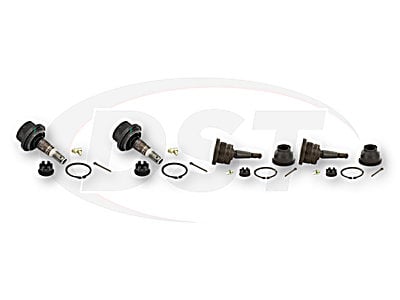
The upper ball joint is the top pivot between the upper control arm and the steering knuckle. It lets the knuckle turn and move with the suspension.
Signs of wear: Clunking over bumps, wandering steering, uneven tire wear, or play when the wheel is rocked top to bottom.
Tip: The joint is pressed into the arm, with its stud pointing down into the knuckle. Many owners replace the whole arm with a new joint already fitted.
See all Front Upper Ball Joint parts for the 2005 GMC Yukon 4WD
The lower ball joint is pressed into the lower control arm, with its stud pointing down into the knuckle and the nut underneath. It carries the weight of the front of the vehicle.
Signs of wear: Clunks over bumps, a loose feel in the front end, or play when the wheel is rocked top to bottom with the vehicle on a jack.
Tip: Support the lower arm before separating the joint, because the torsion bar is still loading it. Get an alignment afterward.
See all Front Lower Ball Joint parts for the 2005 GMC Yukon 4WD
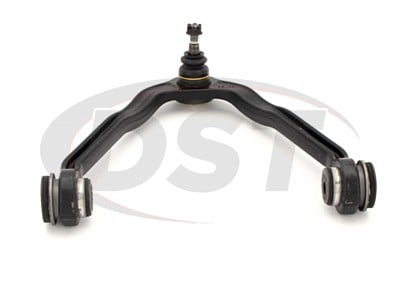
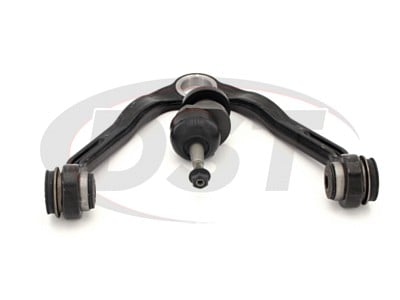
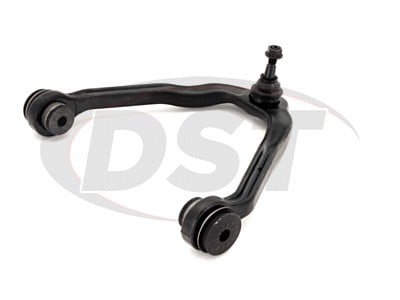
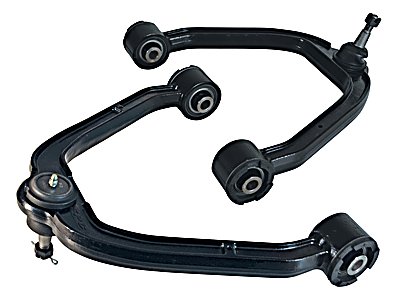
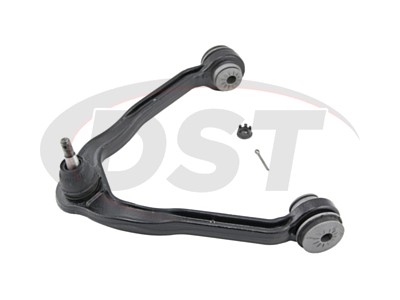
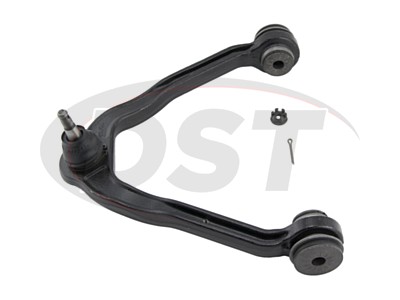
A forged, forked arm that holds the top of the knuckle. Its two inner bushings pivot on cam bolts at the frame, and the ball joint is at the outer end.
Signs of wear: Clunks, torn inner bushings, a worn ball joint, or an alignment that will not hold.
Tip: An assembly with new bushings and a new ball joint saves pressing each one.
The large forged arm that carries the load. The torsion bar twists against its rear pivot, the shock bolts to its rear leg, and the sway bar link passes through it.
Signs of wear: Clunks over bumps, torn bushings, a loose ball joint, or uneven tire wear.
Tip: Left and right lower arms are different parts. Unload the torsion bar before removing one.

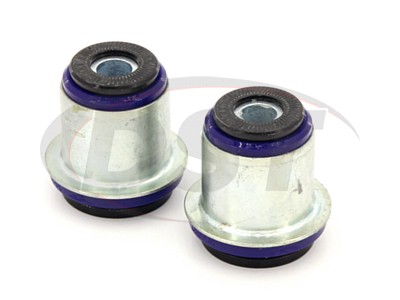
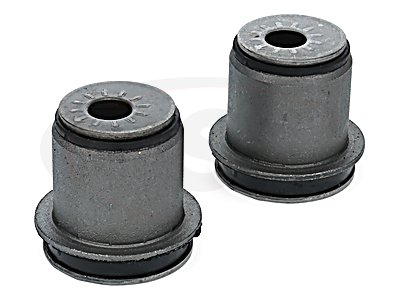
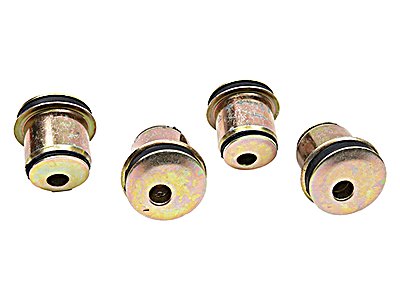
Rubber bushings pressed into the inner ends of the upper arm. They let the arm pivot on its bolts without metal to metal contact.
Signs of wear: Clunks on braking or over bumps, visible cracks in the rubber, or caster and camber that drift out of spec.
See all Front Control Arm Bushings parts for the 2005 GMC Yukon 4WD
Two different bushings in the lower arm, a forward one and a larger rearward one. They locate the arm and take braking and bump loads.
Signs of wear: Clunks when braking or turning, wandering, or torn rubber at the arm pivots.
Tip: The forward and rearward bushings are not the same size. Check which one you need.
See all Front Control Arm Bushings parts for the 2005 GMC Yukon 4WD
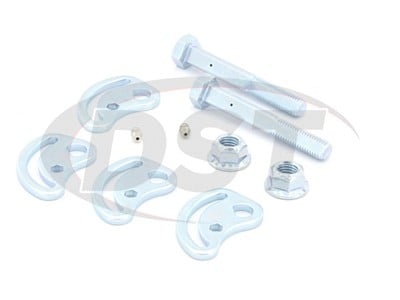
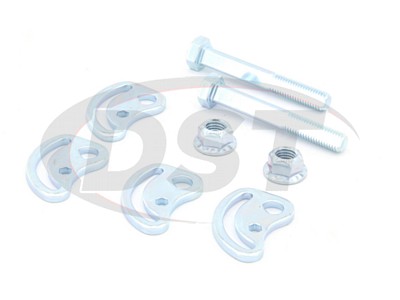
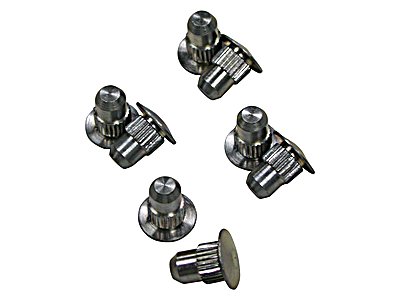
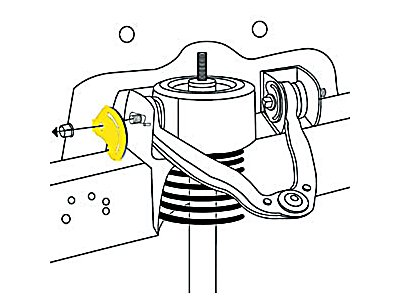
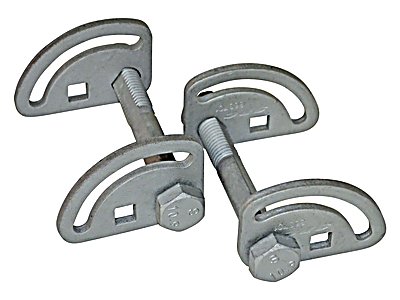
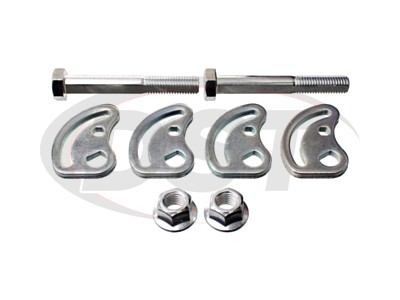
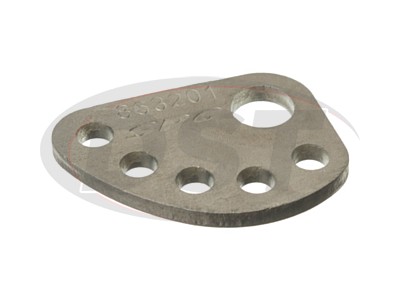
The upper control arms mount on cam bolts and plates. Turning them moves the arm to set caster and camber.
Signs of wear: An alignment shop cannot reach spec, or the vehicle pulls after front end work or a lift.
Tip: Adjustable kits add range for leveled or lifted vehicles.
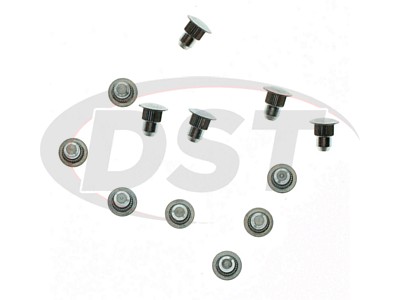
See all Front End Alignment Kit parts for the 2005 GMC Yukon 4WD
The casting that joins the upper and lower ball joints, holds the hub and takes the tie rod on its steering arm.
Signs of wear: Rarely wears out. Replace it after accident damage, or if a tapered ball joint hole is worn.
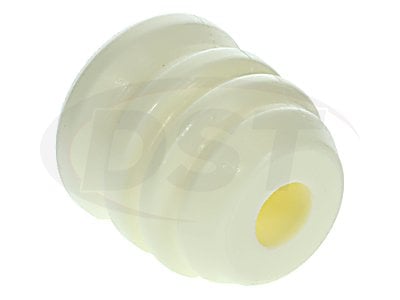
A round rubber bumper on a frame bracket. The flat paddle on the rear leg of the lower control arm lands on it at full compression.
Signs of wear: A harsh bang when the suspension bottoms out, or a cracked or missing bumper.
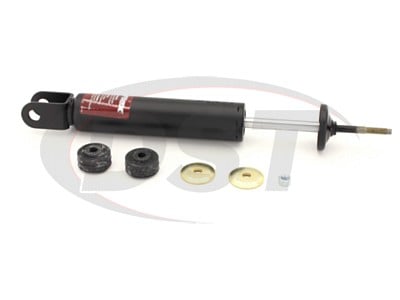
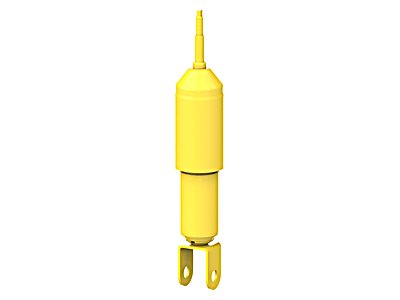
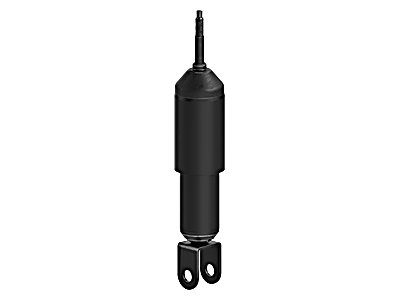
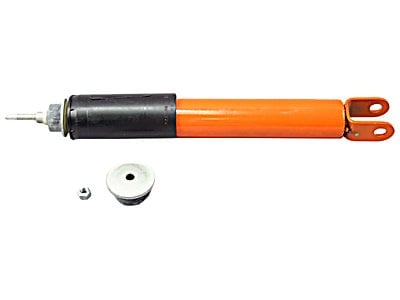
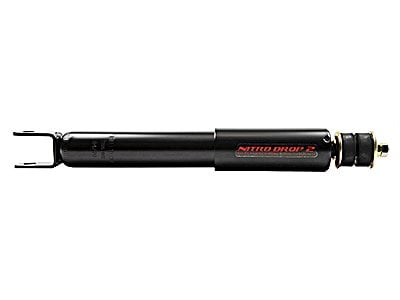
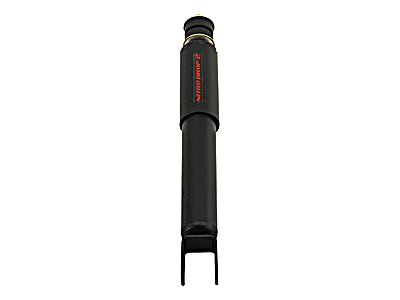
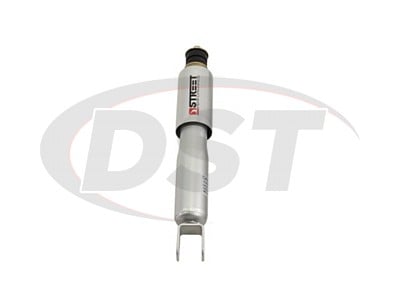
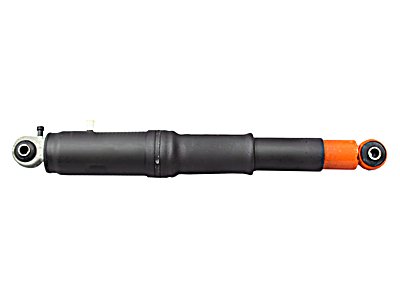
The front shock runs from the lower control arm up through the upper arm to a frame bracket. A fork at its lower end straddles the arm on a small bushing.
Not on every vehicle: Vehicles with Autoride (electronic adjustable suspension) use their own front and rear shocks; the standard shock is drawn.
Signs of wear: Bouncing after bumps, nose dive on braking, leaking fluid, or cupped tires.
Tip: Replace in pairs, and check the small bushing in the arm while you are there. A leveling kit may call for a longer shock.
See all Front Shock Absorber parts for the 2005 GMC Yukon 4WD
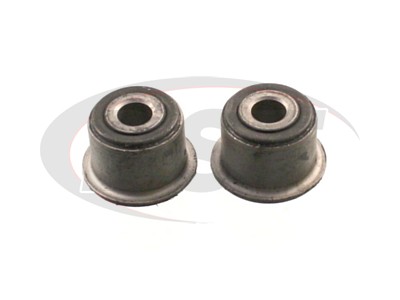
A small rubber bushing pressed through the rear leg of the lower control arm. The fork at the bottom of the front shock bolts through it.
Signs of wear: A knock from the front over small bumps, or a shock that moves on its bolt.
Tip: It stays in the arm when you change the shock, so check it then.
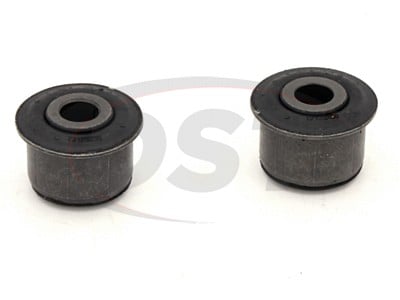
See all Front Shock Bushings parts for the 2005 GMC Yukon 4WD
The torsion bar is the front spring on this vehicle. It runs from the rear of the lower control arm back to a key in a crossmember under the front seats, and it twists as the suspension moves.
Signs of wear: Front ride height that sags and cannot be corrected at the adjuster.
Tip: Each bar is stored under heavy load. Unload it with the right tool before touching the key or the lower arm.
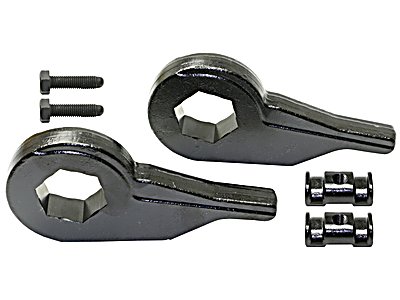
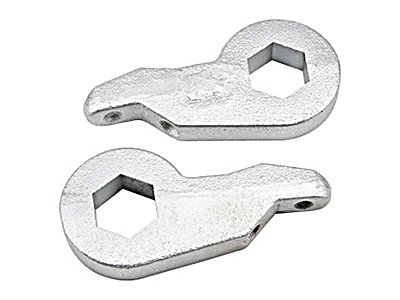
The key holds the rear end of the torsion bar in the crossmember. A bolt under it sets the front ride height, and leveling keys raise the front further.
Signs of wear: Front end sits low or uneven, the adjuster bolt is seized or at the end of its travel.
Tip: Use a torsion bar load tool to take the pressure off the key. Get an alignment after changing ride height.
See all Torsion Bar Key Lift Kit parts for the 2005 GMC Yukon 4WD
A steel bar across the front, ahead of the steering, that links the two lower arms to reduce body roll.
Signs of wear: Extra body roll, or a bar that is bent or loose.
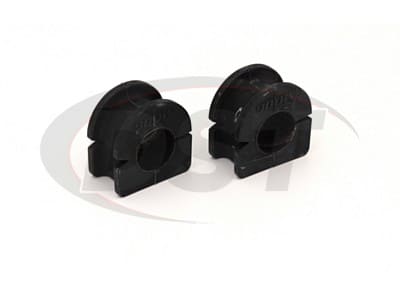
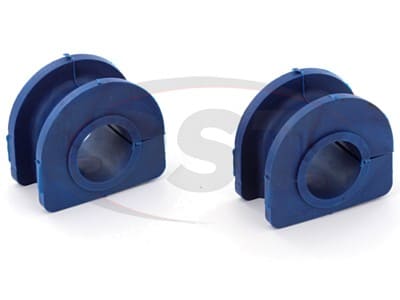
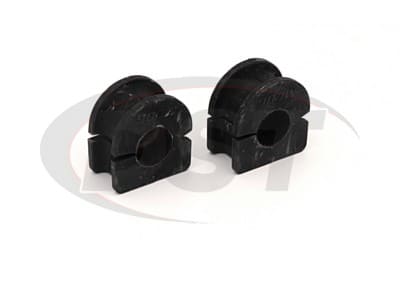
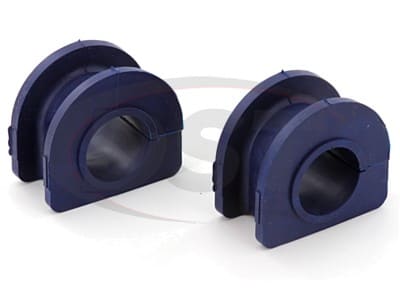
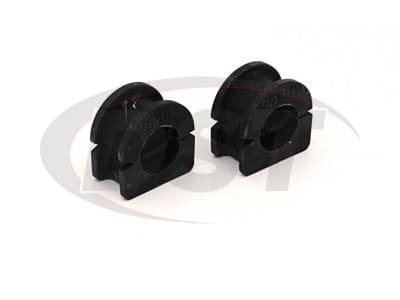
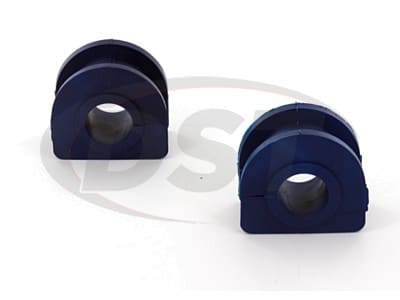
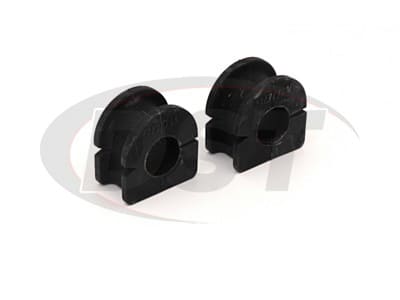
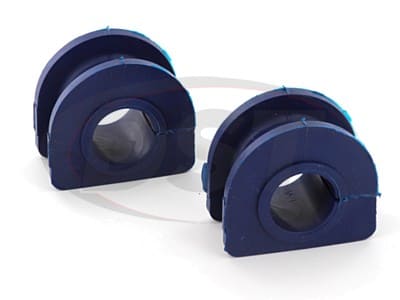
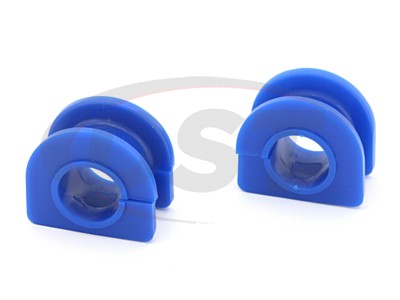
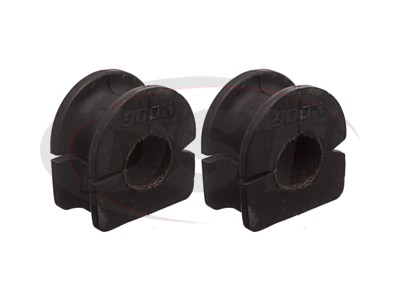
Two rubber or polyurethane bushings clamp the sway bar to the frame.
Signs of wear: Clunks or squeaks over bumps, or a bar that shifts side to side.
Tip: Bar size varies with the option package: 1-1/8, 1-3/16, 1-1/4 and 1-5/16 inch bars are all listed for these years. Measure yours.
See all Front Sway Bar Bushings parts for the 2005 GMC Yukon 4WD
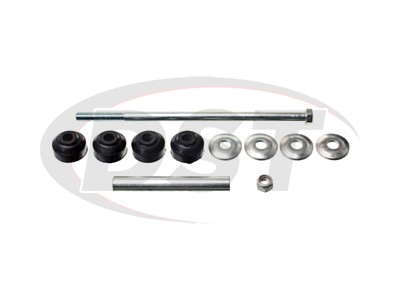
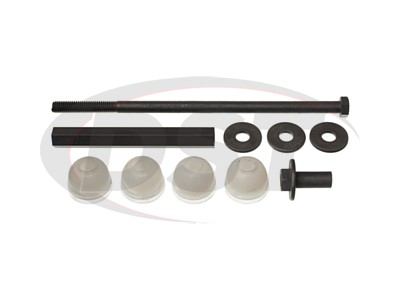
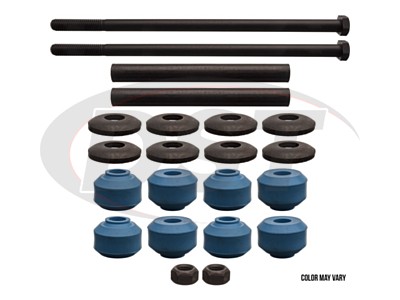
A long bolt, spacer sleeve and stack of bushings that connects the end of the sway bar to the lower control arm.
Signs of wear: Rattles over small bumps, torn bushings, or a broken bolt.
Tip: Replace both sides together.
See all Front Sway Bar Endlinks parts for the 2005 GMC Yukon 4WD
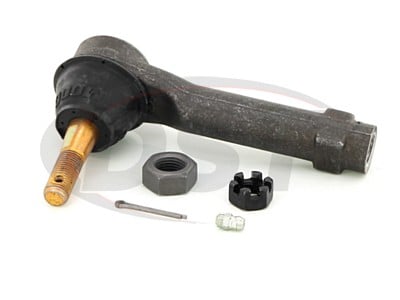
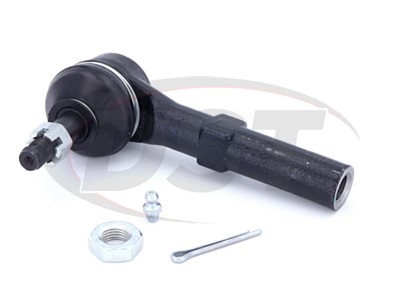
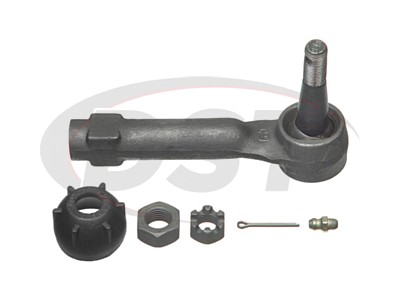
The outer tie rod end connects the tie rod to the steering arm on the knuckle, with its stud pointing down. It threads straight onto the inner tie rod, with no adjusting sleeve.
Signs of wear: Loose steering, tire wear on the inner or outer edge, or play when the wheel is shaken side to side.
Tip: Count the threads when you remove it, then get an alignment. Replace in pairs. Rack steering parts are for 2WD models and do not fit here.
See all Front Outer Tie Rod End parts for the 2005 GMC Yukon 4WD
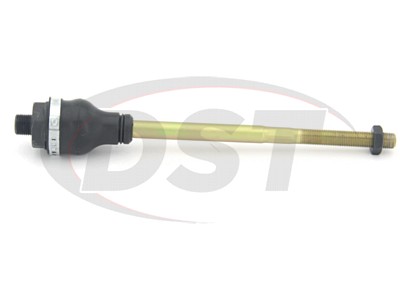
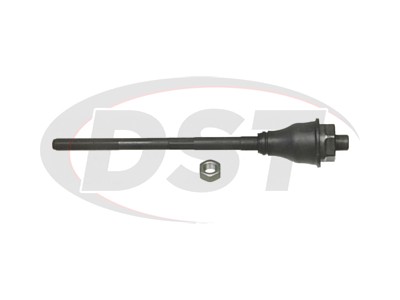
The inner tie rod threads into the end of the center link and carries steering movement out toward the wheel.
Signs of wear: Clunks or looseness in the steering, or wandering at highway speed.
Tip: Rack steering inner rods are for 2WD models and do not fit here.
See all Front Inner Tie Rod End parts for the 2005 GMC Yukon 4WD
One straight link across the front. The pitman arm moves it side to side, the idler arm holds up the other end, and the tie rods run from each end. It is the 28.9 inch link with two tapered holes.
Signs of wear: Loose steering, wandering, or play at the studs.
Tip: A worn idler arm wears the center link faster, so check them together.


See all Tie Rod Center Link parts for the 2005 GMC Yukon 4WD
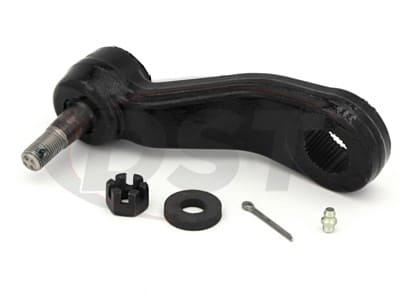
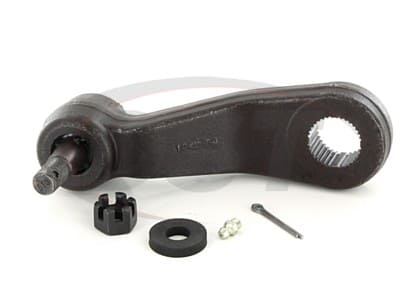
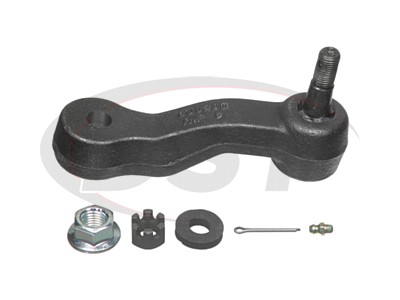
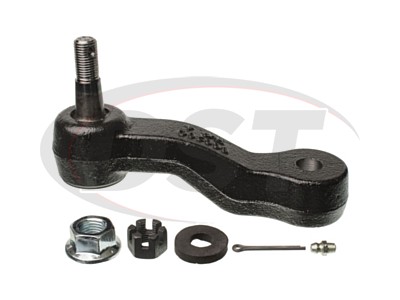
The pitman arm turns the steering gear output into side to side movement of the center link.
Signs of wear: Loose steering, or play at the stud when someone turns the wheel.
Tip: The 4WD Tahoe and Yukon use the 4 groove pitman arm. Heavy duty versions fit the same gear.
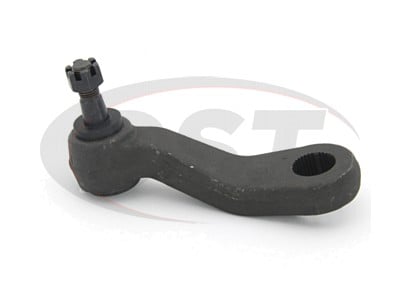
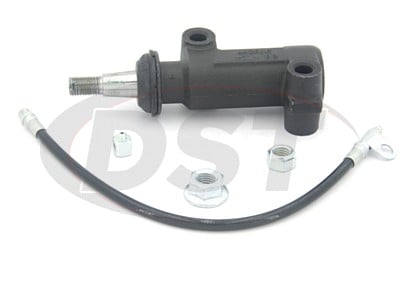
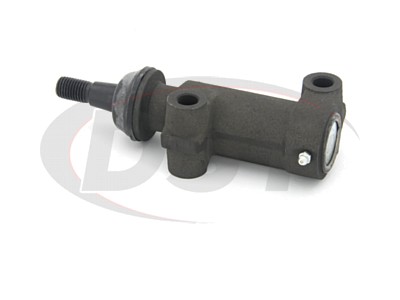
The idler arm mirrors the pitman arm on the passenger side and holds up that end of the center link. It is a well known wear item on these vehicles.
Signs of wear: Loose or wandering steering, play when you lift the center link by hand, or a clunk when turning.
Tip: Upgraded greaseable idlers and brackets are available. Keep it greased.
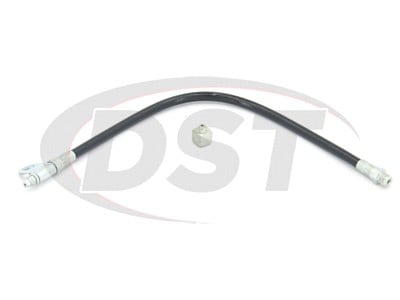
The bracket that bolts the idler arm to the passenger frame rail, with a grease hose that reaches the arm from the wheel well.
Signs of wear: A worn or wobbling idler pivot, or a loose stud at the frame.
The power steering gear on the driver side frame rail. It turns the steering shaft into the swing of the pitman arm.
Signs of wear: Free play in the wheel, or a power steering leak.
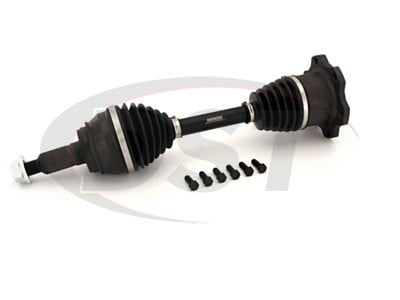
The independent front suspension drives each front wheel through a CV axle. It bolts to the differential by a six bolt flange and splines into the hub.
Signs of wear: Clicking when turning in four wheel drive, grease thrown from a torn boot, or a vibration.
Tip: Both sides use the same part.
See all CV Joint Parts - Front parts for the 2005 GMC Yukon 4WD
Bushings between the front differential and the frame. The differential hangs from the frame, not from the wheels.
Signs of wear: A clunk from the front on take off, or a vibration in four wheel drive.
The U-joint at the front differential end of the front driveshaft. Straps hold it to the yoke.
Signs of wear: Clunks when shifting into four wheel drive, or a vibration in four wheel drive.
The U-joint at the transfer case end of the front driveshaft.
Signs of wear: Clunks or a vibration in four wheel drive.
The U-joint at the front of the one piece rear driveshaft, behind the transfer case.
Signs of wear: A clunk when shifting from park to drive, or a vibration that rises with speed.
Tip: The same 1-1/8 inch cap joint is used at both ends of the rear shaft and on the front shaft.
The U-joint at the rear differential.
Signs of wear: A clunk when taking off, or a vibration under load.
Tip: Straps or U-bolts hold this joint to the pinion yoke. Replace them with the joint.
A boxed steel arm under each frame rail. It runs forward from a bracket under the axle tube to a bracket that hangs from the rail, and carries the drive and braking loads.
Signs of wear: A clunk on take off or braking, or rear steer when cornering.
Tip: Replace the bushings with the arm, and tighten the bolts with the weight on the wheels.
A shorter arm above each lower arm, from an ear on top of the axle bracket forward to the frame. With the lower arm it keeps the axle square and controls pinion angle.
Signs of wear: A clunk from the rear, or a vibration on take off.
Tip: Tighten the bolts with the vehicle at ride height.
One bar across the vehicle behind the axle, from a bracket on the axle to a bracket at the opposite frame rail. It keeps the axle centered under the body.
Signs of wear: The rear moves side to side over bumps, or a clunk when changing lanes.
Tip: Check both bushings and the bolts at each end. A lift kit may need a relocation bracket.
A steel-shelled rubber bushing pressed into the eye at each end of the track bar. A steel sleeve through the middle takes the mounting bolt.
Signs of wear: A clunk when changing lanes or over bumps, or a rear axle that shifts sideways.
Tip: Replace both bushings together, and tighten the bolts with the vehicle at ride height.
See all Rear Track Arm Bar Bushings parts for the 2005 GMC Yukon 4WD
Rubber or polyurethane bushings in both eyes of each rear control arm.
Signs of wear: Clunks over bumps or on take off, or cracked rubber at the eyes.
Tip: Combined kits for this rear also include the track bar bushings, which are listed under Rear Track Bar Bushing.
See all Rear Control Arm Bushings parts for the 2005 GMC Yukon 4WD
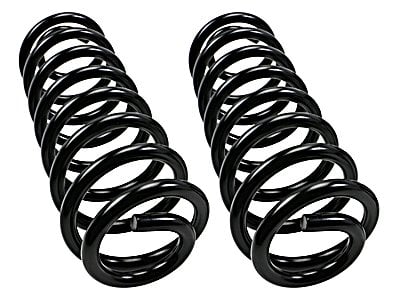
A coil spring on each side, between a seat on the axle bracket and a pocket inside the frame rail. It carries the rear of the vehicle.
Signs of wear: A sagging rear, uneven ride height side to side, or a broken coil.
Tip: Z71 and standard vehicles use different springs. Replace in pairs.
Rubber pads at the top and bottom of each rear coil spring.
Signs of wear: Squeaks or clunks from the springs over bumps.
Tip: Fit new insulators whenever the springs are out.

See all Rear Coil Spring Isolator Pads parts for the 2005 GMC Yukon 4WD
A steel bar across the vehicle behind the axle, bushed to the axle housing, with end links up to the frame. It reduces body roll.
Signs of wear: Extra body roll, or clunks from the rear on uneven roads.
Tip: Upgraded bars bolt to the original axle mounts and reuse the end links.
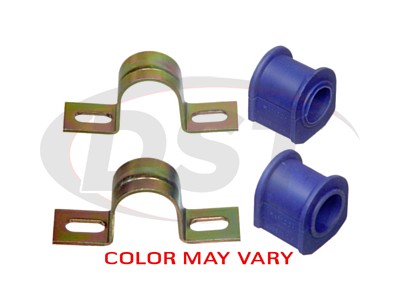
Two bushings in U straps that hold the rear sway bar to the axle housing.
Signs of wear: Clunks or squeaks over bumps.
Tip: The stock bar is 1-1/8 inch (28 to 29 mm).

See all Rear Sway Bar Bushings parts for the 2005 GMC Yukon 4WD
A link with a ball stud at each end, from the end of the rear sway bar up to the frame.
Signs of wear: A rattle or clunk from the rear over small bumps.
Tip: Hold the stud with a wrench while turning the nut.

See all Rear Sway Bar Endlinks parts for the 2005 GMC Yukon 4WD
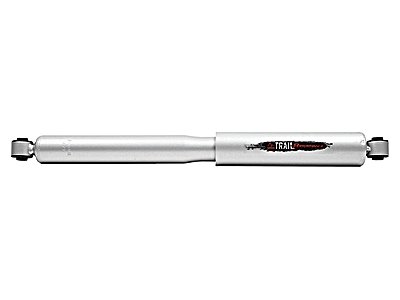
Each rear shock runs from a bracket on the axle, outboard and behind the tube, up to a bracket on the frame rail behind the axle.
Not on every vehicle: Vehicles with Autoride or rear self leveling use their own rear shocks; the standard shock is drawn.
Signs of wear: Bouncing after bumps, a leak, or cupped rear tires.
Tip: Autoride and self leveling vehicles use their own shocks or a conversion kit. Check your vehicle.
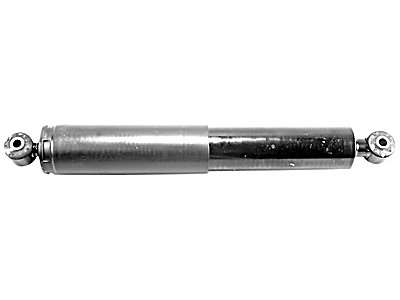
See all Rear Shock Absorber parts for the 2005 GMC Yukon 4WD
A rubber bumper under the frame rail just ahead of the axle. The axle bracket reaches it at full compression.
Signs of wear: A hard bang over big bumps when loaded.
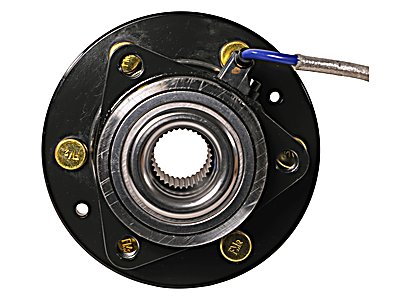
A sealed bearing and hub bolted to the knuckle with three bolts. The CV axle splines through it and the wheel bolts to its six studs.
Signs of wear: A growl that changes when you swerve, play at the wheel, or a wheel speed sensor fault.

See all Front Wheel Bearing and Hub Assembly parts for the 2005 GMC Yukon 4WD
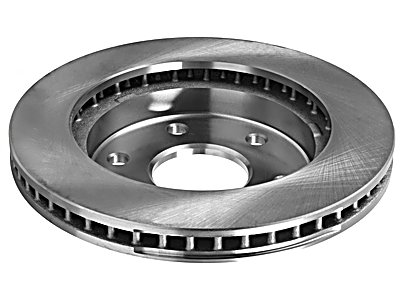
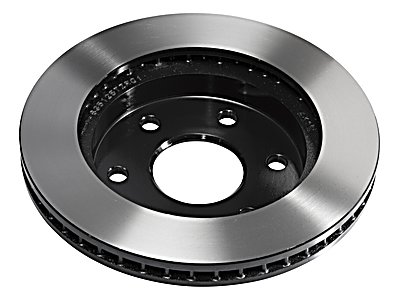
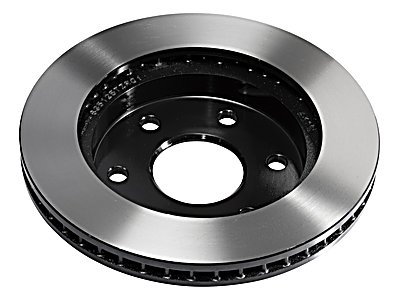
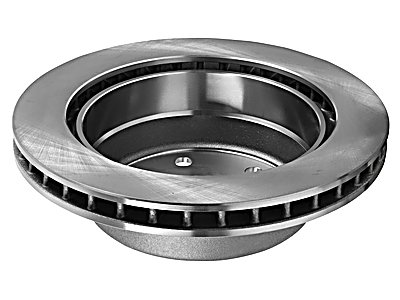
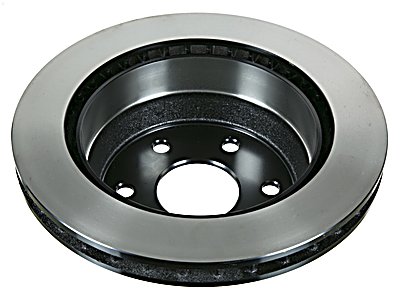
The 12 inch vented front rotor. It slips over the hub and is held on by the wheel.
Signs of wear: Pulsing in the pedal, grooves, or a shake when braking.
Tip: Replace in pairs.
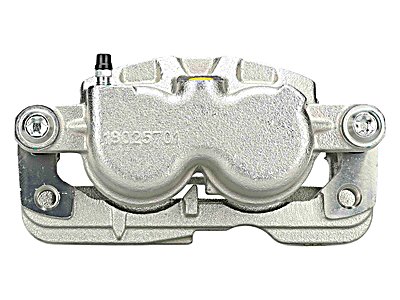
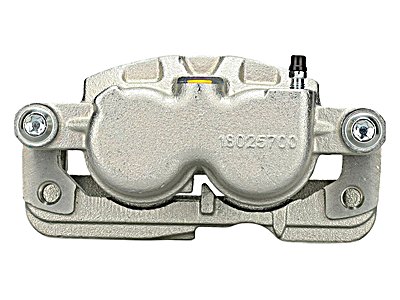
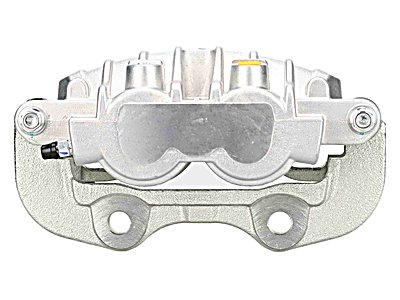
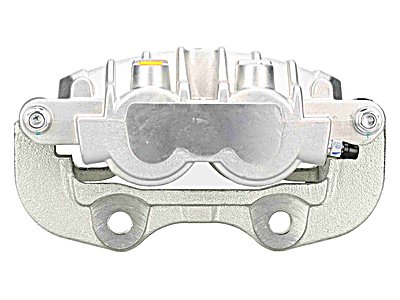
The caliper squeezes the pads against the rotor.
Signs of wear: Pull to one side when braking, uneven pad wear, or a brake fluid leak.
See all Front Brake Caliper parts for the 2005 GMC Yukon 4WD
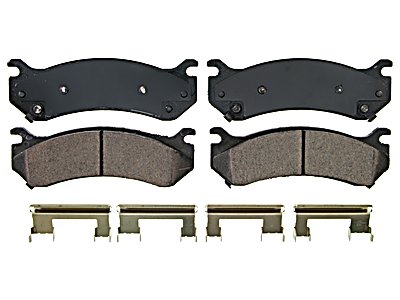
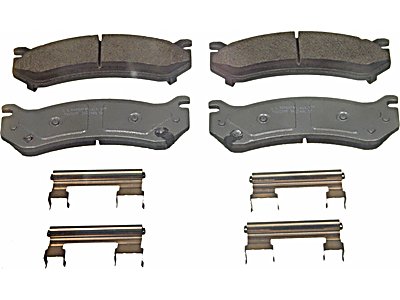
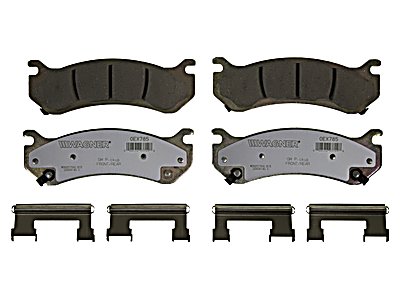
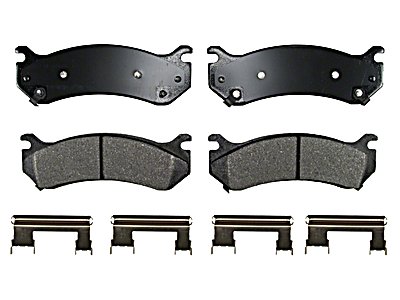
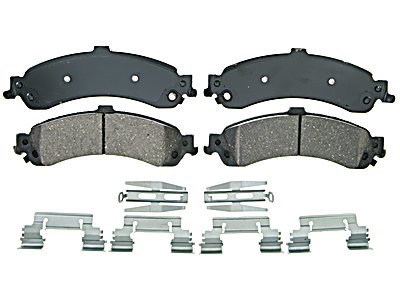
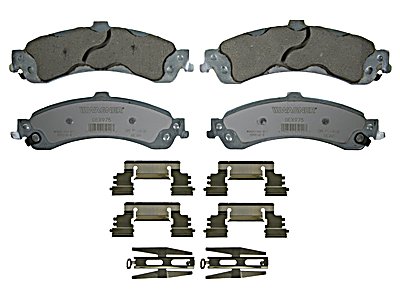
Friction pads on either side of the rotor, shown lifted out of the caliper.
Signs of wear: Squealing, grinding, or a longer stopping distance.
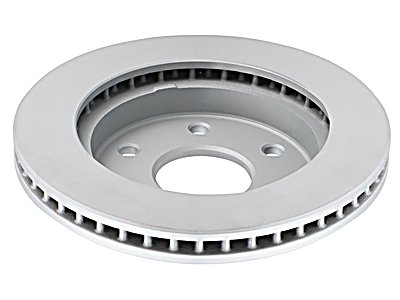
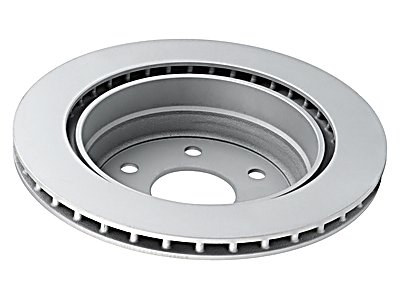
The vented rear rotor, with the parking brake drum inside its hat. Two sizes are listed for these years, 325 mm and 330 mm, so check yours.
Signs of wear: Pulsing when braking, or scoring on the surface.
The rear caliper squeezes the rear pads against the rotor.
Signs of wear: Dragging, uneven pad wear, or a leak.
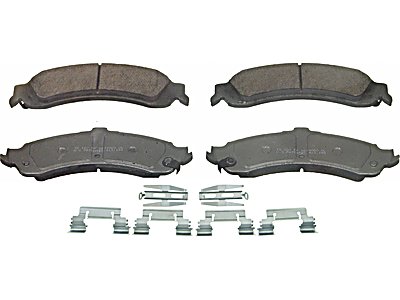
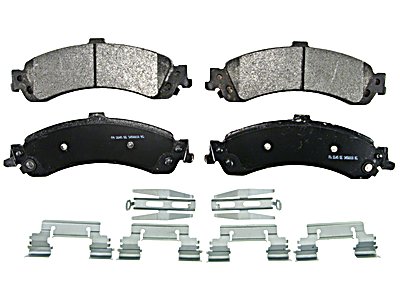
Rear friction pads, shown lifted out of the caliper.
Signs of wear: Squealing, grinding, or a soft pedal.
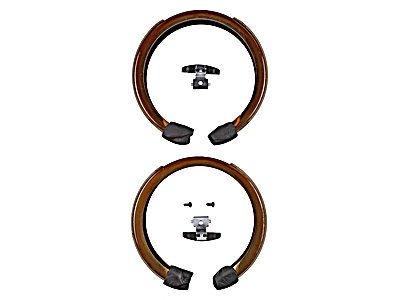
Small shoes inside the hat of the rear rotor, shown pulled out past the axle flange in the exploded view. They hold the vehicle when parked.
Signs of wear: The parking brake will not hold, or the lever travels too far.
See all Parking Brake Shoes parts for the 2005 GMC Yukon 4WD
Rubber cushions between the frame and the body, on outriggers along both rails.
Signs of wear: A clunk or shift from the body over bumps, or a body that sits unevenly.
See all Body Mount Bushings Kit parts for the 2005 GMC Yukon 4WD
A rubber mount between the transmission and its crossmember.
Signs of wear: A clunk on shifts, or a vibration at idle in gear.

The idler arm is the best known one. Ball joints, tie rod ends and the center link follow it. Check them with the wheels off the ground, because a worn idler or tie rod end shows up as play you can feel by hand.
At the rear, yes. The front uses torsion bars, adjusted by a bolt under each torsion bar key. The rear axle sits on a coil spring at each side, not on leaf springs as the Silverado pickup does.
Two lower control arms and two upper control arms keep the axle square, and a track bar across the back of the axle keeps it centered under the body. Worn bushings in any of them cause clunks and a loose feel at the rear.
Yes. The 2001 to 2006 Tahoe and Yukon 4WD use the same suspension and steering parts. Vehicles with Autoride or rear self leveling use their own shocks, so check for those before ordering shocks.
The 2000 to 2006 Tahoe and Yukon 4WD on this body share this layout. The 2000 Tahoe Limited and Z71 were built on the older body and differ, and the 2007 Tahoe is a new design. Parts can still change with options, so the parts shown here are the ones listed for the 2005 4WD Yukon.
Numbered diagrams to print or save for the shop. The numbers match the numbered parts on the interactive diagram.