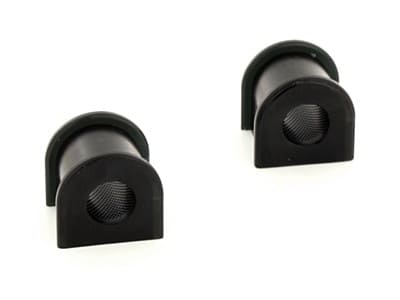
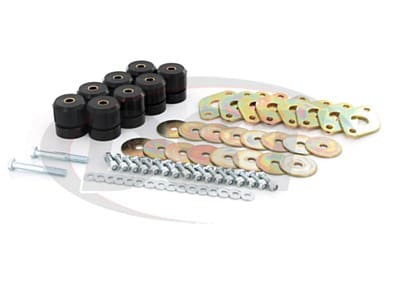
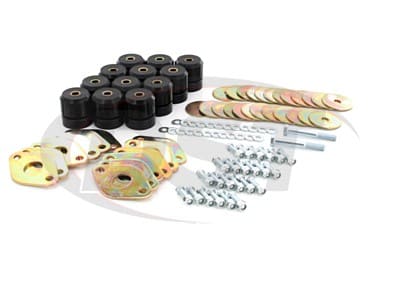
Steering Linkage and Rebuild Kits
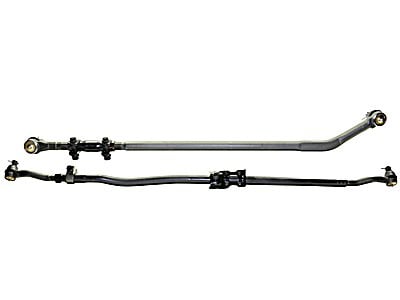
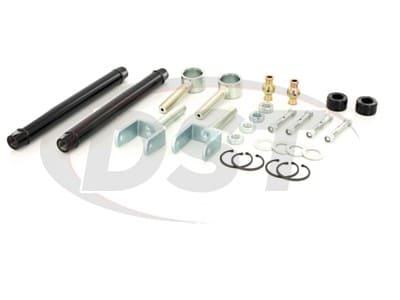
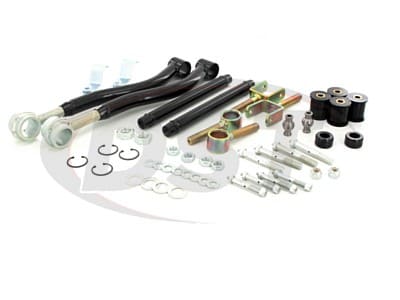
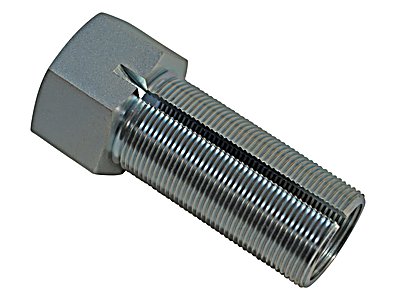
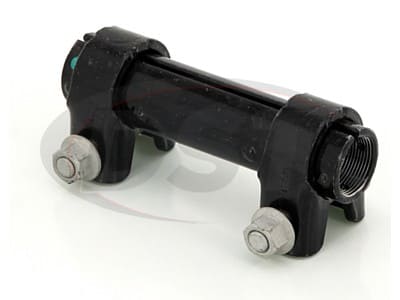
Complete linkage assemblies and rebuild kits for the tie rod and drag link.
This interactive diagram shows the front axle, steering linkage and rear axle of the 2012 Jeep Wrangler JK. Hover over or tap any part to see what it does, the signs that it is worn, and the replacement parts we carry that fit your Jeep, down to the side and position.
We carry parts for it Not stocked yet Hover or tap any part.
The JK rides on solid axles front and rear, each on coil springs. Two upper and two lower control arms hold each axle front to back, and a track bar keeps it centered side to side. The steering gear on the frame swings a pitman arm and drag link to the passenger knuckle, and a tie rod with a steering stabilizer ties both knuckles together. The diagram is drawn from a four door Unlimited with the Dana 30 front axle; two door models share the control arms and steering but use their own springs and body mounts.
We carry replacement parts for 46 of the 48 components on this diagram, 227 parts in all. See every part for the 2012 Jeep Wrangler JK.
Complete linkage assemblies and rebuild kits for the tie rod and drag link.
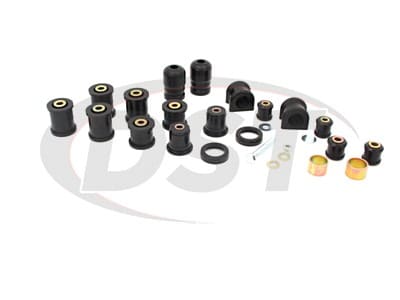
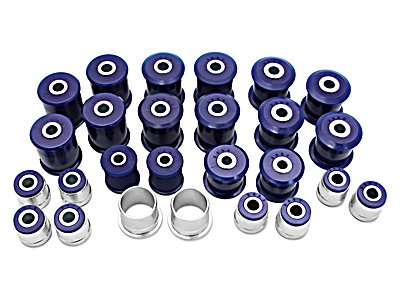
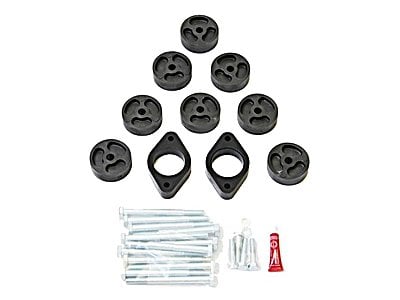
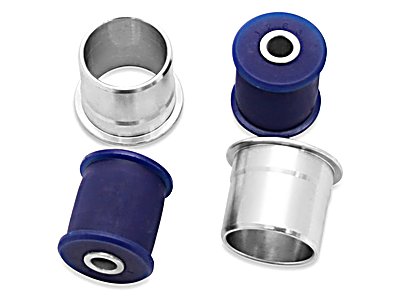
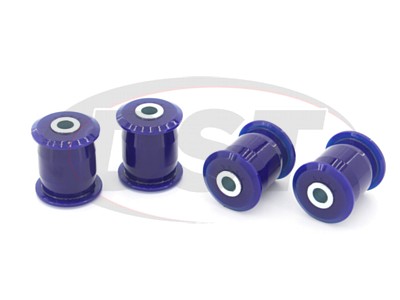
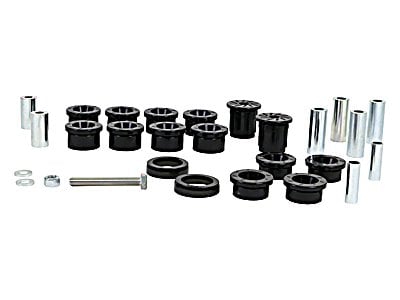
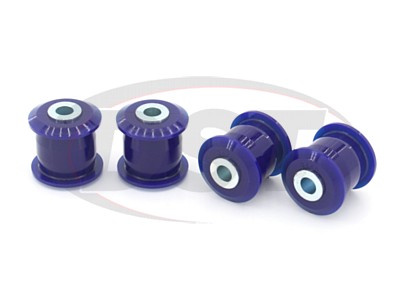
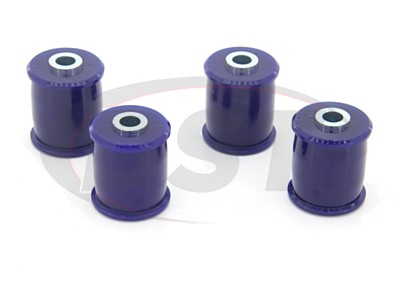
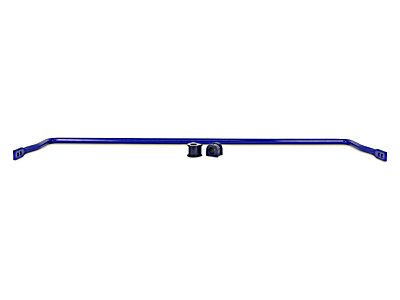
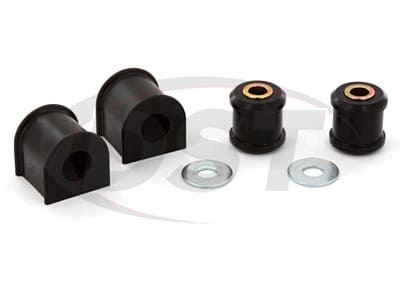
Bushing kits for the front, the rear, or the whole Jeep. Two door and four door kits differ.

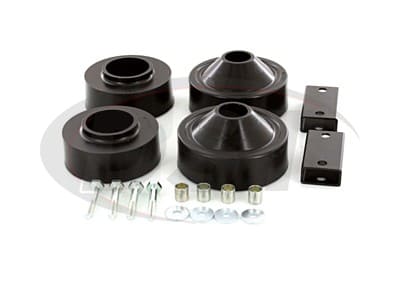
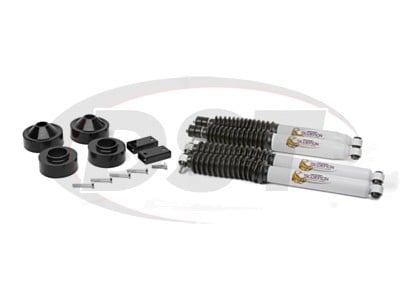
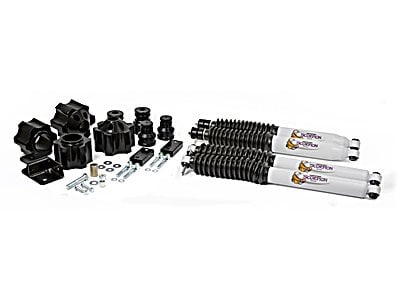
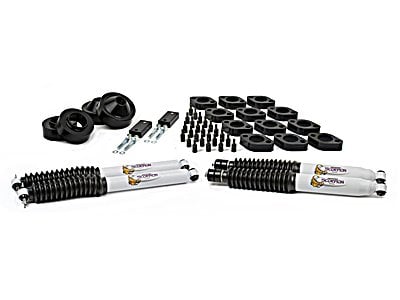
Spacer, spring and shock kits that raise the front or the whole Jeep.
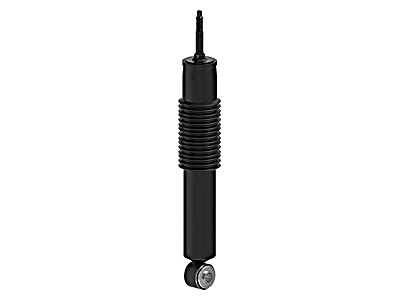
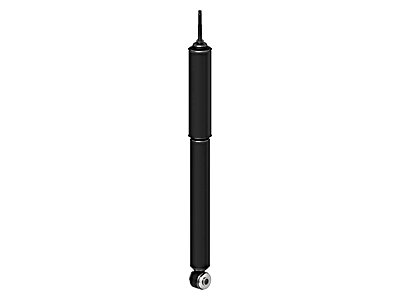
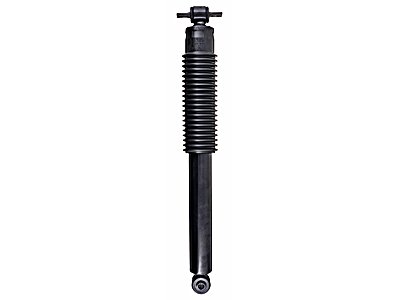
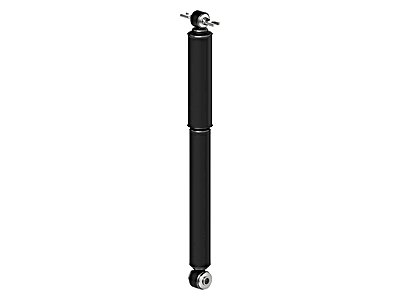
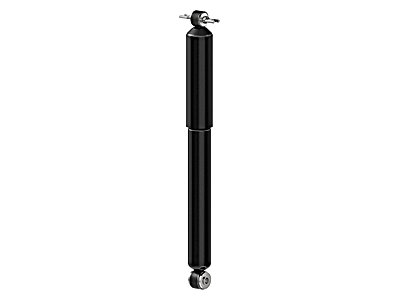
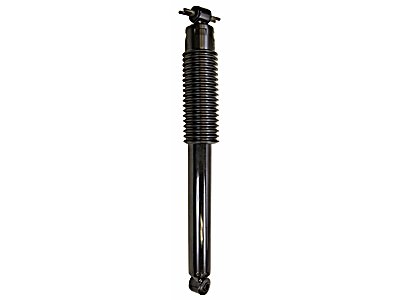
Front and rear shock sets.
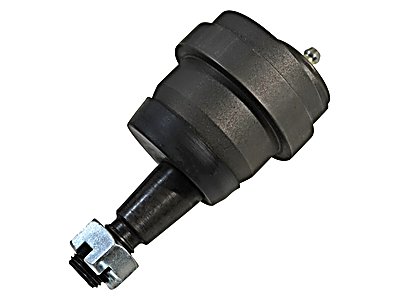
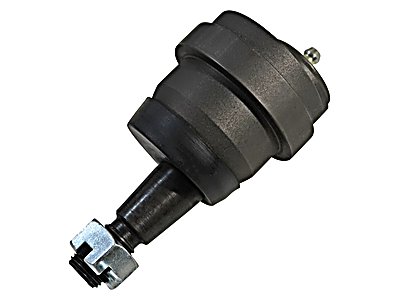
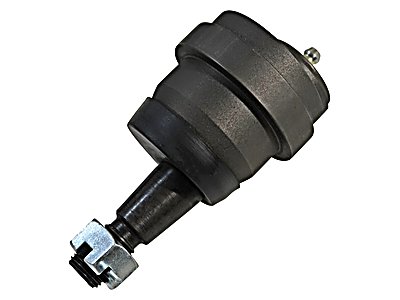
The upper ball joint is the top pivot between the axle yoke and the steering knuckle. It lets the knuckle turn and holds it to the axle.
Signs of wear: Clunks over bumps, vague steering, uneven tire wear, or play when the tire is rocked top to bottom.
Tip: Replace upper and lower joints together on both sides. Offset upper joints are sold to correct caster and camber after a lift.

See all Front Upper Ball Joint parts for the 2012 Jeep Wrangler JK
The lower ball joint is the bottom pivot of the steering knuckle on the Dana axle and carries much of the front load.
Signs of wear: Knocking when turning or braking, a loose feel at highway speed, and the front end shake many owners call death wobble.
Tip: Oversized lower joints are available when the yoke bore is worn.

See all Front Lower Ball Joint parts for the 2012 Jeep Wrangler JK
The knuckle pivots on the two ball joints. It carries the wheel hub and brake caliper and has the arm the tie rod pushes on.
Signs of wear: A bent knuckle shows as alignment that will not set or a pull after an impact.
Tip: Check the knuckle arm whenever a tie rod end is replaced.
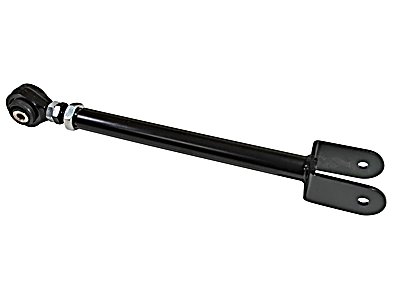
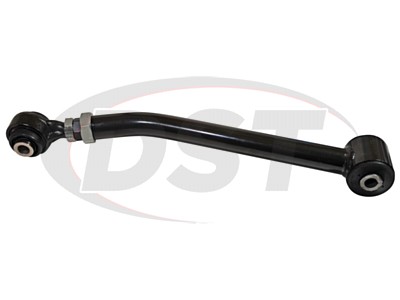
Two upper arms run from brackets on the axle back to the frame. With the lower arms they hold the axle in place front to back and set the pinion angle and caster.
Signs of wear: Clunks on acceleration or braking, a worn bushing, or a bent arm after off road use.
Tip: Adjustable upper arms let you correct caster and pinion angle after a lift.
See all Front Control Arm parts for the 2012 Jeep Wrangler JK
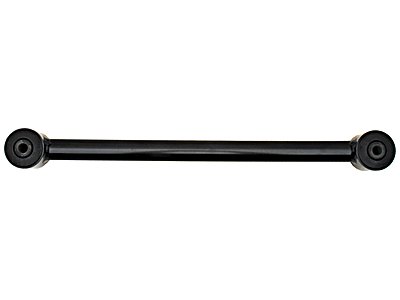
The lower arms run from brackets under the axle tubes back to the frame and carry the braking and driving loads.
Signs of wear: Clunks, a wandering feel, torn bushings, or a bent arm from rock contact.
Tip: Replace lower arms in pairs and get an alignment.

See all Front Control Arm parts for the 2012 Jeep Wrangler JK
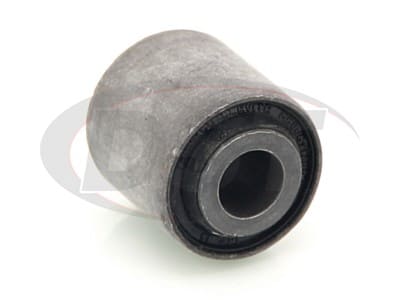
Rubber bushings at each end of the upper arm. The axle end bushing is pressed into the bracket on the axle, not into the arm.
Signs of wear: Cracked or torn rubber, clunks, and steering that wanders after bumps.
Tip: Pressing the axle end bushing needs a bushing tool; the axle stays on the Jeep.

See all Front Control Arm Bushings parts for the 2012 Jeep Wrangler JK
Rubber bushings in both eyes of the lower arm, at the axle and at the frame.
Signs of wear: Clunking, a shift under braking, or rubber pushed out of the eye.
Tip: Polyurethane bushings feel firmer than the factory rubber.

See all Front Control Arm Bushings parts for the 2012 Jeep Wrangler JK
The eccentric bolt and washer at the axle end of each lower arm. Turning it moves the axle to set caster and pinion angle.
Not on every vehicle: Fitted after an alignment or a lift. From the factory the front lower arm has a plain bolt, and the cam goes in once the bracket's knock-out tabs are removed.
Signs of wear: A pull, wander, or alignment that will not hold after a lift or an impact.
Tip: Mark the cam position before removing a lower arm.
See all Front End Alignment Kit parts for the 2012 Jeep Wrangler JK
A coil spring sits on a seat on each front axle tube and pushes up into a tower on the frame. The rubber isolator and lift spacers sit on top of it.
Signs of wear: A front end that sits low or leans, a broken coil, or clunks from the seat.
Tip: Two door and four door Jeeps use different spring rates, so pick the springs for your body.

See all Front Coil Springs parts for the 2012 Jeep Wrangler JK
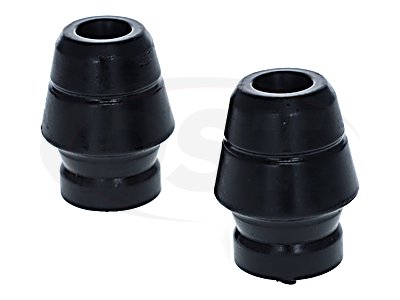
A rubber jounce bumper hangs inside the coil spring from the frame tower and stops the axle before metal hits metal.
Signs of wear: A harsh bang on big bumps, or a split or missing bumper.
Tip: Lifted Jeeps often need extended bump stops to keep the tires out of the fenders.
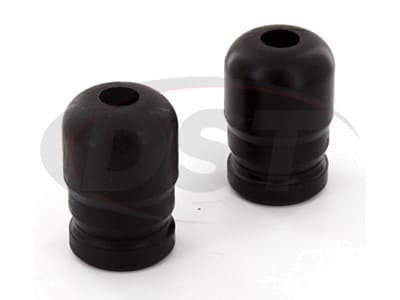
See all Front Bump Stops parts for the 2012 Jeep Wrangler JK
Each front shock runs from a bracket behind the axle tube up to a tower on the frame and damps the spring.
Signs of wear: Bouncing after bumps, nose dive under braking, leaks, or a worn bushing.
Tip: Longer shocks are needed after a lift.

See all Front Shock Absorber parts for the 2012 Jeep Wrangler JK
The track bar runs from a bracket on the driver frame rail across to the passenger side of the axle and keeps the axle centered under the Jeep.
Signs of wear: Steering that moves before the wheels do, clunks at the bracket, and front end shake after bumps.
Tip: Adjustable track bars recenter the axle after a lift.

The bushings in the two track bar eyes: the driver side one at the frame bracket and the passenger side one at the axle bracket.
Signs of wear: Clunks when turning the wheel at a stop, or a loose feel on center.
Tip: Tighten the track bar bolts with the Jeep on its wheels.

See all Front Track Arm Bar Bushings parts for the 2012 Jeep Wrangler JK
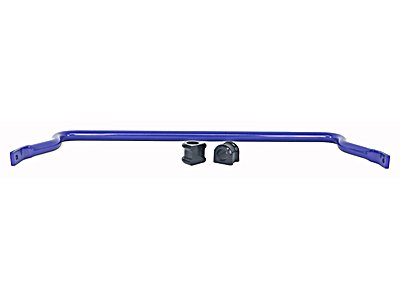
The front sway bar crosses ahead of the axle on bushings under the frame, and its arms reach back to links on the axle to limit body roll.
Signs of wear: More lean in turns, clunks, or a bent bar.
Tip: Rubicon models use a bar that can be disconnected for off road use.
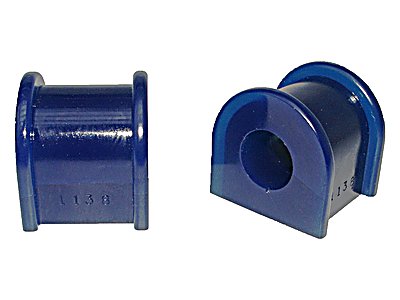
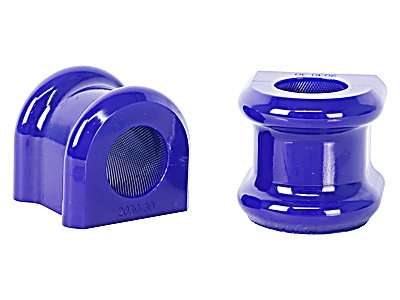
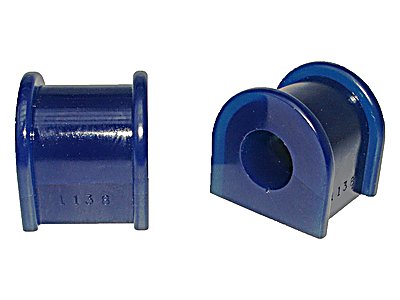
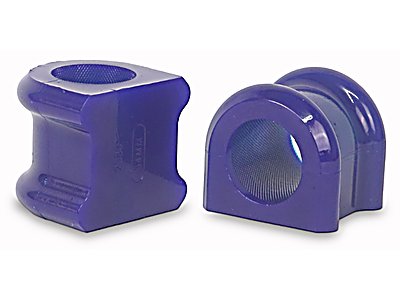
Rubber bushings in clamps under the frame that hold the front sway bar.
Signs of wear: Squeaks or clunks over bumps, or a bar that moves in its clamp.
Tip: Match the bushing size to your bar.
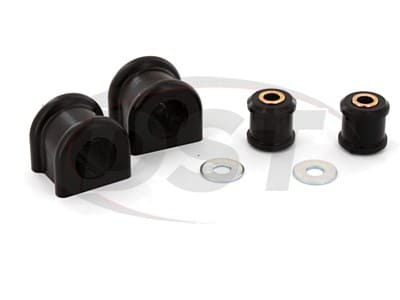
See all Front Sway Bar Bushings parts for the 2012 Jeep Wrangler JK
The end links join each sway bar arm to a bracket on the axle tube.
Signs of wear: Rattles over small bumps and broken or loose studs.
Tip: Quick disconnect links are sold for lifted Jeeps.
See all Front Sway Bar Endlinks parts for the 2012 Jeep Wrangler JK
The tie rod joins the two knuckle arms ahead of the axle. The passenger end comes with the long tube; the driver end is a short bent end that threads into the sleeve.
Signs of wear: Play in the steering, wandering, and wear on the tire edges.
Tip: Count the turns when you remove an end, then get the toe set.

See all Front Outer Tie Rod End parts for the 2012 Jeep Wrangler JK
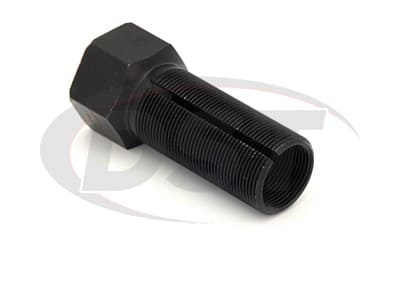
The threaded sleeve near the driver end of the tie rod. Turning it sets toe.
Signs of wear: A seized or rusted sleeve, or clamps that will not hold.
Tip: Replace the sleeve when replacing a seized tie rod end.
See all Tie Rod Adjusting Sleeve parts for the 2012 Jeep Wrangler JK
The drag link carries the pitman arm's movement across to the passenger knuckle. Its knuckle end sits above the tie rod end on the same knuckle.
Signs of wear: Loose steering, clunks over bumps, and the steering wheel off center.
Tip: Set the steering wheel straight with the drag link sleeve after alignment.

See all Tie Rod Drag Link parts for the 2012 Jeep Wrangler JK
The short end that joins the drag link to the pitman arm.
Signs of wear: Play at the pitman arm when a helper turns the wheel.
Tip: Replace it with the drag link sleeve if the threads are rusted.
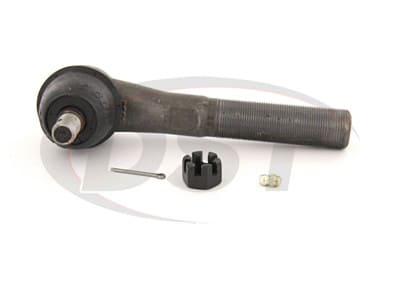
See all Front Outer Tie Rod End parts for the 2012 Jeep Wrangler JK
The sleeve between the pitman end and the drag link rod. It sets the steering wheel straight.
Signs of wear: A seized sleeve or loose clamps.
Tip: Adjust it after an alignment, not before.
See all Tie Rod Adjusting Sleeve parts for the 2012 Jeep Wrangler JK
The pitman arm hangs from the steering gear on the frame and swings the drag link when you turn the wheel.
Signs of wear: Play at the ball stud or a loose arm on the gear shaft.
Tip: Use a puller; never hammer the gear shaft.


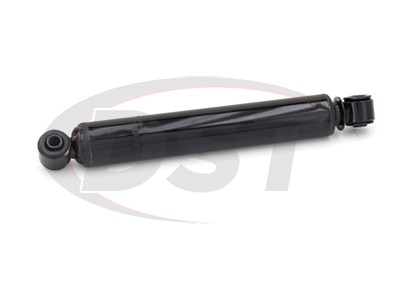
A small shock between a bracket on the passenger axle tube and a clamp on the tie rod that damps steering kick.
Signs of wear: Leaks, a worn bushing, or more kick through the wheel on rough roads.
Tip: A damper calms shake but does not fix worn joints.
The steering gear is bolted to the driver side frame rail ahead of the axle. Its output shaft turns the pitman arm.
Signs of wear: Leaks, play in the wheel, or a loose mount.
Tip: Check the gear mount bolts when chasing steering play.
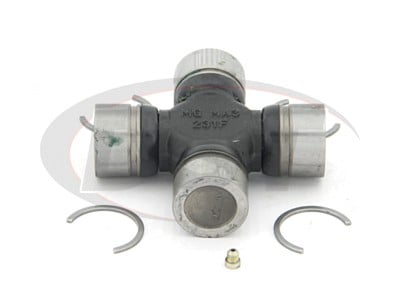
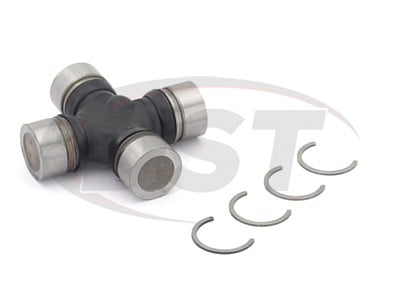
The U-joint in each front axle shaft, at the steering pivot, lets the shaft drive the wheel while the knuckle turns.
Signs of wear: Clicking or binding when turning in four wheel drive, or rust dust at the caps.
Tip: Greaseable joints can be serviced; non greaseable joints are sealed for life.
Two upper arms run from brackets on top of the rear axle forward to the frame and help set the rear pinion angle.
Signs of wear: Clunks on acceleration, a rear end that steers on bumps, or torn bushings.
Tip: Adjustable arms help set pinion angle after a lift.
See all Rear Control Arm parts for the 2012 Jeep Wrangler JK
The lower arms run from brackets under the rear axle tubes forward to the frame and carry the driving and braking loads.
Signs of wear: Clunks, a rear end that shifts, or a bent arm.
Tip: Replace in pairs.
See all Rear Control Arm parts for the 2012 Jeep Wrangler JK
Bushings in both eyes of the rear upper arms.
Signs of wear: Clunks and a loose rear end.
Tip: Replace both ends of an arm together.
See all Rear Control Arm Bushings parts for the 2012 Jeep Wrangler JK
Bushings in both eyes of the rear lower arms.
Signs of wear: Clunks under acceleration and torn rubber.
Tip: Tighten arm bolts with the Jeep at ride height.

See all Rear Control Arm Bushings parts for the 2012 Jeep Wrangler JK
The eccentric bolt and washers at the axle end of each rear upper arm. It sets the rear pinion angle.
Not on every vehicle: Fitted after an alignment or a lift. From the factory the rear upper arm has a plain bolt, and the cam goes in once the bracket's knock-out tabs are removed.
Signs of wear: Driveline vibration after a lift.
Tip: Small changes go a long way; adjust both sides the same.
See all Rear End Alignment Kit parts for the 2012 Jeep Wrangler JK
A coil spring sits on a seat on each rear axle tube under a seat on the frame. Lift spacers sit on top of it.
Signs of wear: A rear that sags, a broken coil, or clunks from the seat.
Tip: Two door and four door Jeeps use different springs.
See all Rear Coil Springs parts for the 2012 Jeep Wrangler JK
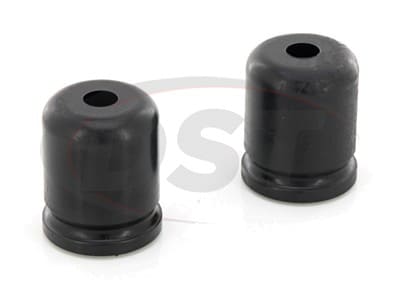
A rubber bumper under the frame rail above the axle tube that stops the axle at full bump.
Signs of wear: A harsh bang on big bumps.
Tip: Bump stop spacers keep larger tires out of the fenders.

Each rear shock runs from a bracket low on the axle tube up and back to a bracket on the frame.
Signs of wear: Bouncing, leaks, or worn eye bushings.
Tip: Longer shocks are needed after a lift.
See all Rear Shock Absorber parts for the 2012 Jeep Wrangler JK
The rear track bar runs from a bracket on the driver side of the axle to the passenger frame rail and centers the rear axle.
Signs of wear: A rear end that wanders or clunks side to side.
Tip: Adjustable bars recenter the axle after a lift.
The bushings in the two rear track bar eyes.
Signs of wear: Clunks when the rear shifts side to side.
Tip: Grease polyurethane bushings when fitting them.

See all Rear Track Arm Bar Bushings parts for the 2012 Jeep Wrangler JK
The rear sway bar crosses behind the axle on bushings under the frame rails; its arms reach forward to links on the axle.
Signs of wear: More body roll, clunks, or a bent bar.
Tip: Check the links whenever you change ride height.
Bushings in clamps under the frame rails that hold the rear sway bar.
Signs of wear: Squeaks and clunks.
Tip: Match the bushing size to your bar.
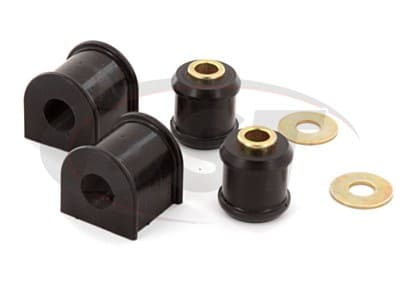
See all Rear Sway Bar Bushings parts for the 2012 Jeep Wrangler JK
Links join each rear sway bar arm to a bracket on the axle.
Signs of wear: Rattles and loose studs.
Tip: Fit longer links after a lift.
See all Rear Sway Bar Endlinks parts for the 2012 Jeep Wrangler JK
The bearing in each end of the rear axle housing that carries the axle shaft.
Signs of wear: Humming from the rear that changes with speed, or gear oil at the brake.
Tip: Replace the axle seal with the bearing.
See all Rear Wheel Bearing Assembly parts for the 2012 Jeep Wrangler JK
A sealed unit bearing and hub bolted to the knuckle. The wheel studs are in its flange and the axle shaft drives it through a splined center.
Signs of wear: Humming or growling that changes with speed or in turns, play at the wheel, or an ABS light.
Tip: Torque the axle nut and the hub bolts to the specified values.

See all Front Wheel Bearing and Hub Assembly parts for the 2012 Jeep Wrangler JK
The vented disc the front pads clamp. Trucks with the heavy duty brake option use a larger rotor, so check which size your Jeep has.
Signs of wear: Pulsing in the brake pedal, grooves, or a lip at the outer edge.
Tip: Replace rotors in pairs and fit new pads at the same time.
See all Front Brake Rotor parts for the 2012 Jeep Wrangler JK
The caliper sits behind the rotor and squeezes the pads with hydraulic pistons when you brake.
Signs of wear: A pull to one side when braking, a dragging wheel, uneven pad wear, or fluid at the caliper.
Tip: Bleed the brakes after replacing a caliper.
See all Front Brake Caliper parts for the 2012 Jeep Wrangler JK
Friction pads inside the caliper, one on each side of the rotor.
Signs of wear: Squealing, grinding, a low pedal, or less than 3 mm of friction left.
Tip: Replace pads on both sides of the axle together.
See all Front Brake Pads parts for the 2012 Jeep Wrangler JK
The rear disc. Its hat also serves as the drum for the parking brake shoes.
Signs of wear: Pulsing, grooves, or a parking brake that will not hold.
Tip: Back off the parking brake shoes to remove a worn rotor.
See all Rear Brake Rotor parts for the 2012 Jeep Wrangler JK
The rear caliper sits behind the rear rotor.
Signs of wear: A dragging wheel or uneven pad wear.
Tip: Bleed the brakes after replacing a caliper.
See all Rear Brake Caliper parts for the 2012 Jeep Wrangler JK
Friction pads inside the rear caliper.
Signs of wear: Squealing or less than 3 mm of friction left.
Tip: Replace both sides together.
Small brake shoes inside the rear rotor hat that hold the Jeep when parked.
Signs of wear: A parking brake lever that pulls high or a Jeep that rolls.
Tip: Adjust the shoes before fitting the rotor.
See all Parking Brake Shoes parts for the 2012 Jeep Wrangler JK
Rubber mounts between the frame and the body tub along both rails.
Signs of wear: Clunks from under the body, a tub that sits crooked, or rust at the mounts.
Tip: Replace mounts one at a time so the body stays aligned. Two door and four door kits differ.

See all Body Mount Bushings parts for the 2012 Jeep Wrangler JK
Death wobble is a violent shake of the front end after a bump, usually above 40 mph. On the JK it almost always starts with play in the front end: a worn track bar bushing or a loose track bar bolt, worn ball joints, loose tie rod or drag link ends, or worn control arm bushings. A steering stabilizer can hide it but does not fix it. Check every joint for play with a helper turning the wheel.
Yes. The JK two door and four door Unlimited share the front and rear control arms, track bars and steering linkage. The coil springs and body mounts differ, so pick those by body style.
The Rubicon has a Dana 44 front axle with locking differentials and a front sway bar that disconnects electrically, and it uses its own shocks. Parts that differ are listed for the Rubicon by name.
Yes. Replacing ball joints, tie rod ends, the drag link, control arms or the lower arm cam bolts changes the alignment. Have toe and caster checked after any front end work, and center the steering wheel with the drag link sleeve.
The 2007 to 2018 Wrangler JK share this layout. The 2018 JK was sold beside the new JL, which is a different Jeep with different parts, so make sure you are shopping for a JK.
Numbered diagrams to print or save for the shop. The numbers match the numbered parts on the interactive diagram.